Horseback Riding Lessons for Adults: An Encouraging Guide for True Beginners
Considering horseback riding lessons for adults? Understand first lessons, safety, confidence tips, fitness prep, and realistic timelines for new riders.
Horseback Riding Lessons for Adults: An Encouraging Guide for True Beginners
Starting horseback riding lessons as an adult can feel like stepping into a completely new world. You might wonder if you are too old to begin, whether you have the right fitness level, or how long it will take to feel comfortable in the saddle. These are completely normal concerns for any true beginner. The good news is that adult horseback riding lessons offer a structured, welcoming environment where you can learn at your own pace. In this comprehensive guide, we will cover everything you need to know about adult horseback riding lessons, from what to expect in your first few weeks and how to build rider confidence, to practical fitness routines, timelines for progress, and how to choose the right lesson program. Whether your goal is to eventually enjoy scenic trail rides in the Mountains of Santa Clarita, explore Vasquez Rocks, or simply find a new rewarding hobby, this guide will help you start your equestrian journey with confidence.
What Are the Advantages of Starting Horseback Riding Lessons as an Adult?
Many adults assume that learning to ride a horse is a skill best acquired during childhood, but this is a common misconception. In fact, adult beginners bring a unique set of strengths to horseback riding lessons that often allow them to progress steadily and safely. One of the primary advantages adults possess is a mature mindset. Unlike children, adults enter lessons with clear goals, a strong sense of focus, and the patience required to learn a complex physical skill. You understand that progress takes time and are generally more willing to listen carefully to instruction and ask clarifying questions.
Furthermore, adults have a heightened awareness of safety. While children might be fearless, an adult's cautious approach is actually an asset when working with large animals. This safety-first mentality means you are more likely to respect the horse's boundaries, follow barn rules, and prioritize learning the correct techniques rather than rushing to ride fast. Adults also bring transferable skills from other areas of life. Whether you have experience in other sports, practice yoga, or simply have a good understanding of body mechanics, these experiences can help you grasp concepts like balance, core stability, and coordination more quickly.
While it is true that adults might experience more muscle soreness initially or battle with overthinking, the reality is that the adult learning process is highly effective. Instructors who specialize in beginner horse riding for adults appreciate the dedication and communication skills their adult students bring to the arena. By maintaining realistic expectations and a growth mindset, you will find that starting horseback riding as an adult is not only possible but incredibly rewarding.
What Should I Expect During My First 4 Weeks of Horseback Riding Lessons?
Stepping into a barn for the first time can be intimidating, so knowing what to expect during your first month of lessons can significantly reduce uncertainty. Your initial sessions are designed to build a safe foundation, focusing heavily on basic skills and comfort around the horse before introducing more complex riding techniques.
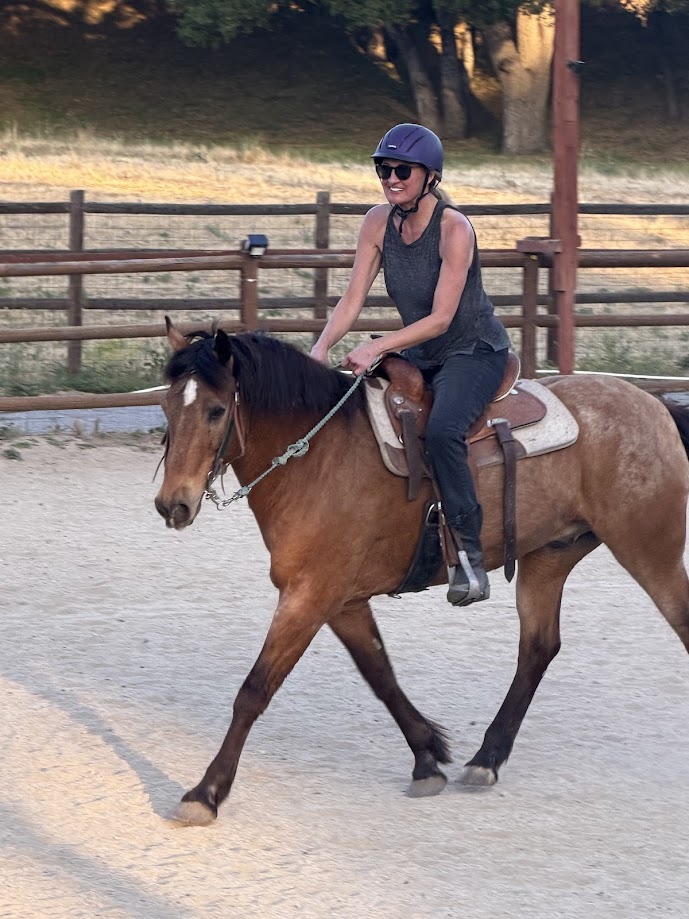
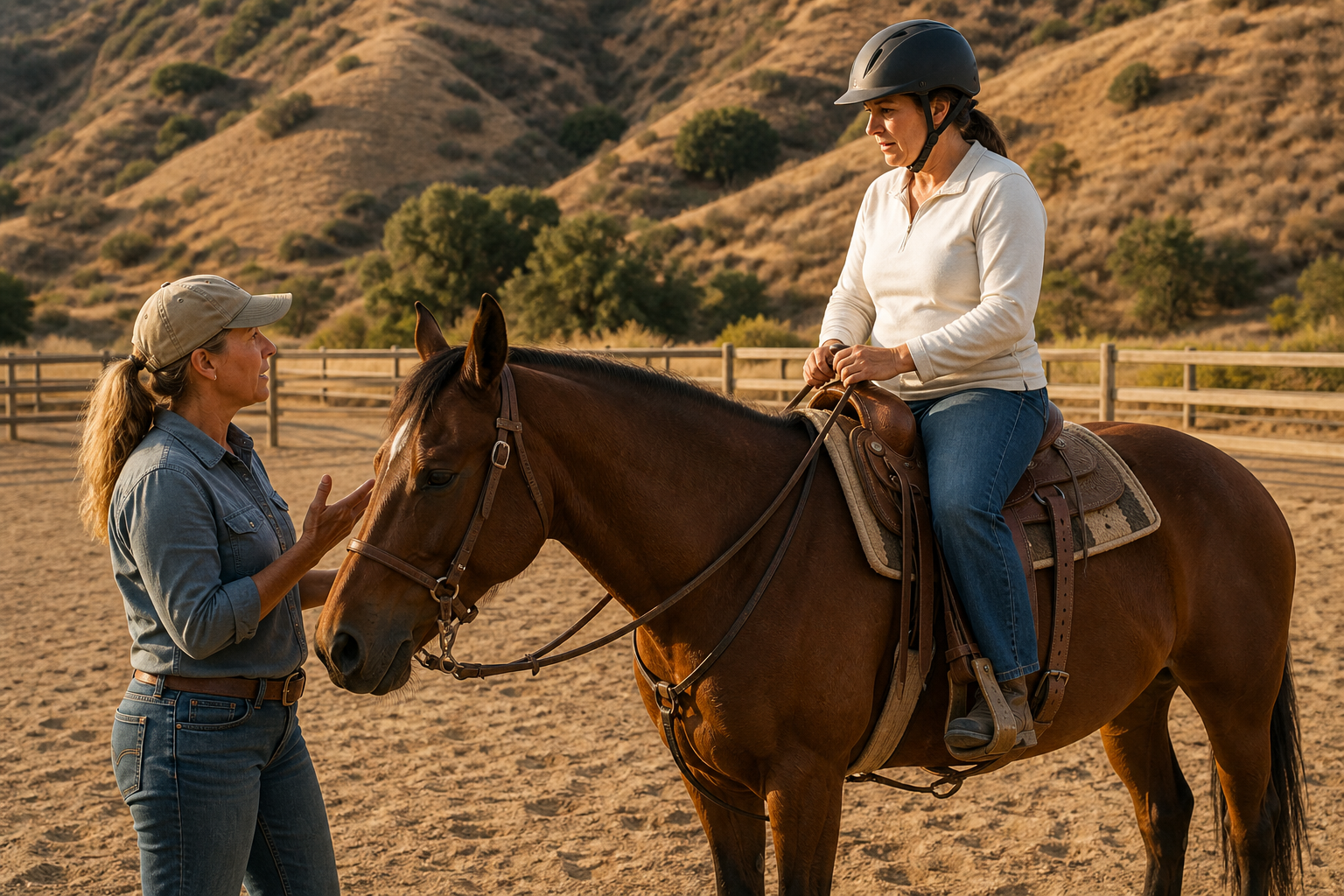
Adult beginner rider practicing proper posture and balance during a lesson
Week 1: Barn Etiquette, Safety, and the Basics of Mounting
Your very first lesson will likely spend a considerable amount of time on the ground. You will learn essential barn etiquette, such as how to approach a horse safely, the importance of wearing a properly fitted helmet (which must meet ASTM F1163 standards for equestrian use), and why closed-toe footwear with a small heel is non-negotiable. Your instructor will introduce you to basic grooming and tacking up (putting the saddle and bridle on the horse), though they will heavily assist you. When it is time to ride, you will learn how to use a mounting block safely. Once in the saddle, the focus will be on finding a neutral, balanced position and learning how to hold the reins correctly. You will practice asking the horse to walk, steering basic turns, and asking the horse to halt.
Week 2: Developing Balance and the Walk-Halt-Steer Foundation
During your second week, you will reinforce the skills learned in the first lesson. You will spend more time in the saddle, practicing your walk, halt, and steering transitions until they feel more fluid. Your instructor will emphasize your posture—keeping your heels down, your back straight, and your eyes looking forward rather than down at the horse. You may practice riding over ground poles or navigating simple obstacle courses at a walk to improve your steering accuracy and balance.
Week 3: Introduction to the Lunge Line and Finding Your Seat
By the third week, your instructor might introduce the lunge line. This is a long line attached to the horse, controlled by the instructor, which allows the horse to move in a circle around them. Riding on the lunge line is incredibly beneficial for adult beginners because it allows you to focus entirely on your balance and position without having to worry about steering or controlling the horse's speed. You will practice finding your "seat"—the deep, secure position in the saddle—while the horse walks.
Week 4: The Introduction to Posting at the Trot
Depending on your comfort level and balance, week four often introduces the trot. The trot is a two-beat, bouncy gait that requires a specific technique called "posting" to ride comfortably. Posting involves rising and sitting in rhythm with the horse's movement. Your instructor will likely start this on the lunge line, allowing you to hold onto the saddle or a neck strap while you figure out the rhythm. Learning to post takes time and practice, so do not be discouraged if it feels awkward at first.
Lesson WeekPrimary Focus AreaKey Skills IntroducedWeek 1Safety & BasicsBarn etiquette, mounting, holding reins, basic walk and haltWeek 2Balance & SteeringPosture correction, navigating simple turns, riding over poles at a walkWeek 3Position & SeatLunge line work, deep seat exercises, independent steering at a walkWeek 4Introduction to TrotUnderstanding the two-beat rhythm, introduction to posting trot
How Can Adult Beginners Manage Fear and Build Confidence in the Saddle?
It is completely normal for adult beginners to experience nerves or fear when learning to ride. Horses are large, powerful animals, and as adults, our self-preservation instincts are fully developed. Managing these nerves and building rider confidence is a crucial part of the learning process. The key is gradual exposure and open communication.
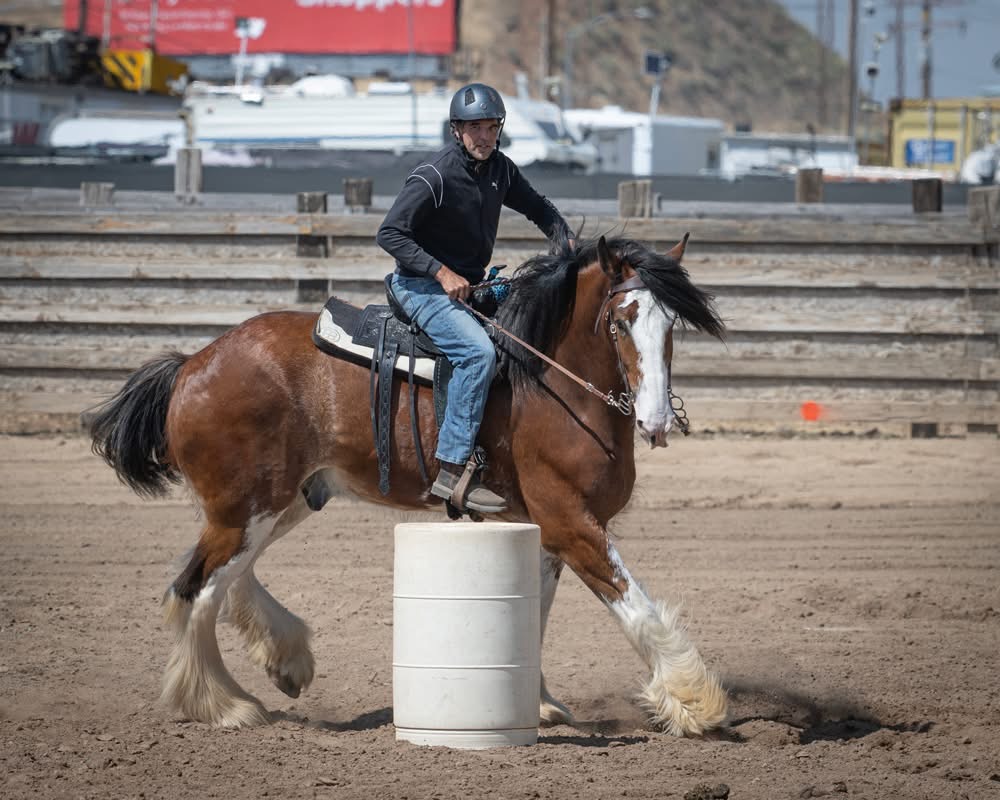
Confident rider demonstrating advanced barrel racing technique with proper form
First and foremost, communicate with your instructor. A good instructor understands that adult learners need to feel safe and in control. If you feel overwhelmed, do not hesitate to speak up. It is perfectly acceptable to ask to slow down, return to a walk, or practice a skill on the lunge line until you feel more secure. Setting a "minimum win" for each lesson can also be highly effective. Instead of focusing on mastering a new gait, your goal for the day might simply be to maintain a relaxed breathing pattern during the trot or to execute three perfect halts. Celebrating these small victories builds a foundation of confidence.
Mental skills are just as important as physical ones. Practice deep, rhythmic breathing to lower your heart rate and signal to both your body and the horse that everything is calm. Visualization techniques, where you picture yourself successfully completing a maneuver before you do it, can also help reduce anxiety. Remember that lesson horses are specifically chosen for their calm, forgiving temperaments. They are accustomed to unbalanced riders and are trained to tolerate mistakes. Trusting the horse and trusting the process are vital steps in overcoming fear.
What Are the Best Fitness Exercises to Prepare for Horseback Riding Lessons?
Horseback riding is a physically demanding sport that requires a unique combination of core strength, balance, and flexibility. While you do not need to be a bodybuilder to start riding, having a basic level of fitness will make your lessons more enjoyable, help you progress faster, and reduce post-ride soreness. A beginner rider workout should focus on the muscle groups most utilized in the saddle: the core, the hips, and the legs.
Core and Hip Stability
A strong core is the foundation of a good riding position. It allows you to maintain an independent seat, meaning your hands and legs can move independently of your torso. Planks are an excellent exercise for building overall core stability. Start with 30-second holds and gradually increase the time. For hip stability, which is crucial for absorbing the horse's movement, practice glute bridges and side-lying leg raises. These exercises strengthen the muscles that help you stay centered in the saddle.
Mobility and Balance
Equestrian fitness is not just about strength; it is also about flexibility. Tight hips and ankles can make it difficult to maintain the correct leg position. Incorporate hip openers, such as the pigeon pose or deep lunges, into your daily routine. Ankle mobility exercises, like calf raises and ankle circles, will help you keep your heels down in the stirrups. To improve balance, practice standing on one leg while brushing your teeth or use a balance board if you have one.
Recovery and Managing Soreness
It is inevitable that you will experience muscle soreness after your first few lessons, particularly in your inner thighs (adductors) and core. This is a sign that you are using new muscle groups. To manage soreness, incorporate a light warm-up before your lesson and a cool-down stretching routine afterward. Staying hydrated and taking a warm bath with Epsom salts can also aid in recovery.
Fitness FocusRecommended ExercisesFrequencyCore StrengthPlanks, Dead Bugs, Bird-Dog3-4 days/weekHip & Leg StabilityGlute Bridges, Lunges, Squats3 days/weekFlexibilityHip Openers (Pigeon Pose), Calf StretchesDailyBalanceSingle-Leg Stands, Balance BoardDaily
How Long Does It Take to Learn to Ride a Horse as an Adult?
One of the most common questions from new riders is about the riding lesson timeline. "How long does it take to learn to trot or canter?" The truth is that progress is highly individual and depends on several factors, including your initial fitness level, how often you ride, and your natural balance. However, having realistic milestones can help you track your progress and stay motivated.

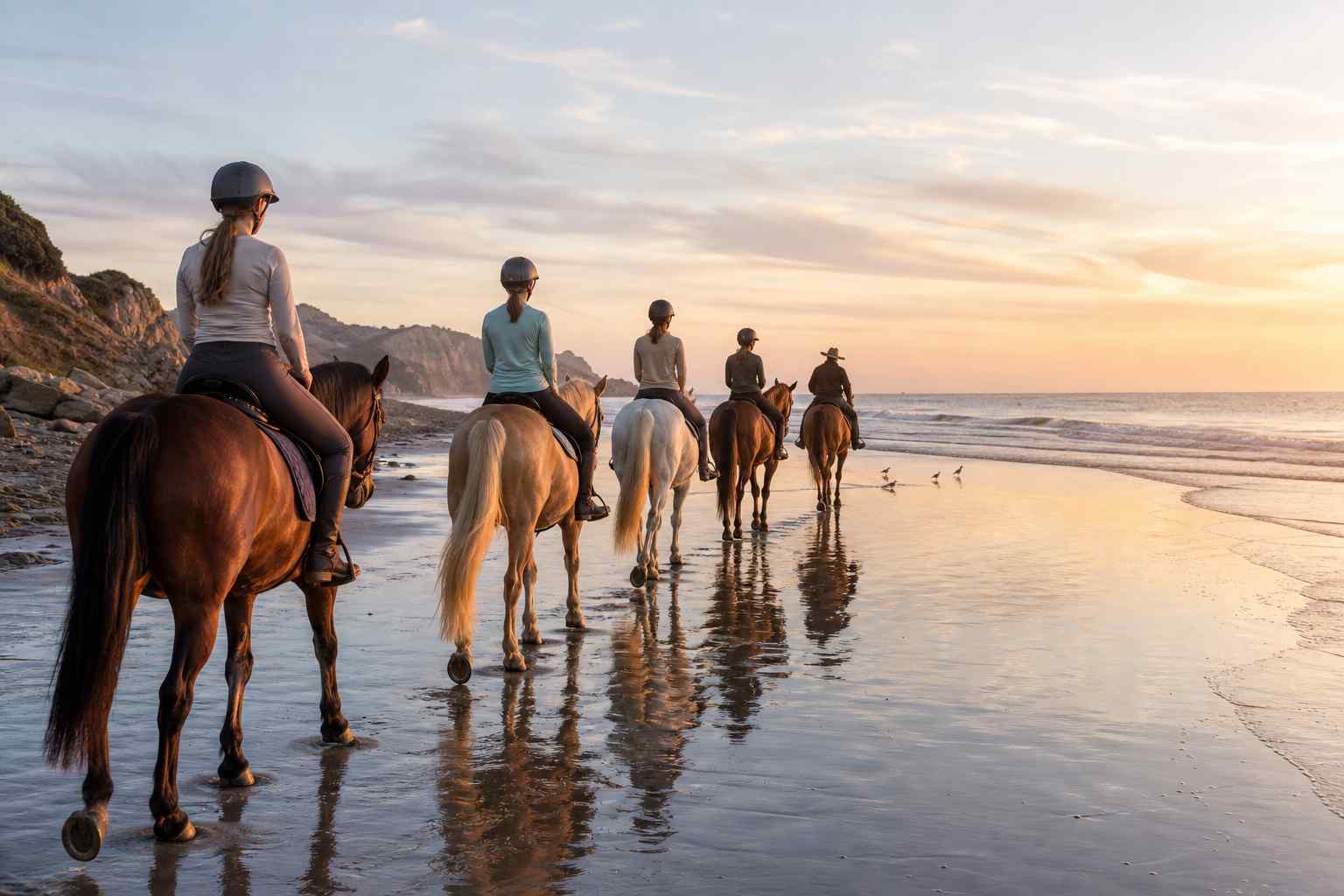
Adult riders enjoying a scenic trail ride together, demonstrating the social aspect of horseback riding
If you are taking one lesson per week, here is a general timeline of what you might expect during your first 12 weeks:
- Weeks 1-4: Focus on the basics. You will learn to walk, halt, steer, and will likely be introduced to the posting trot on a lunge line.
- Weeks 5-8: You will begin posting the trot independently (off the lunge line) around the arena. You will work on maintaining a steady rhythm and improving your steering while trotting.
- Weeks 9-12: Your posting trot will become more secure. You may be introduced to the sitting trot (where you do not rise out of the saddle) and perhaps two-point position (standing slightly in the stirrups), which is essential for balance and preparation for jumping or riding out on trails.
It is important to understand that plateaus are a normal part of learning to ride. You might feel like you are making rapid progress for a few weeks, only to feel stuck on a particular skill, like getting the correct posting diagonal, for several lessons. When you hit a plateau, focus on refining your basics rather than rushing to the next level. Keeping a rider journal to track your lessons, note what went well, and write down your instructor's feedback can be a great way to see your long-term progress, even when day-to-day improvements feel slow.
How Can Understanding Horse Behavior Improve Safety and Riding Skills?
To be a safe and effective rider, you must understand the basics of horse behavior. Horses are prey animals, which means their natural instinct when faced with something scary or unfamiliar is to flee. Understanding this instinct helps you anticipate their reactions and handle them with empathy and confidence.
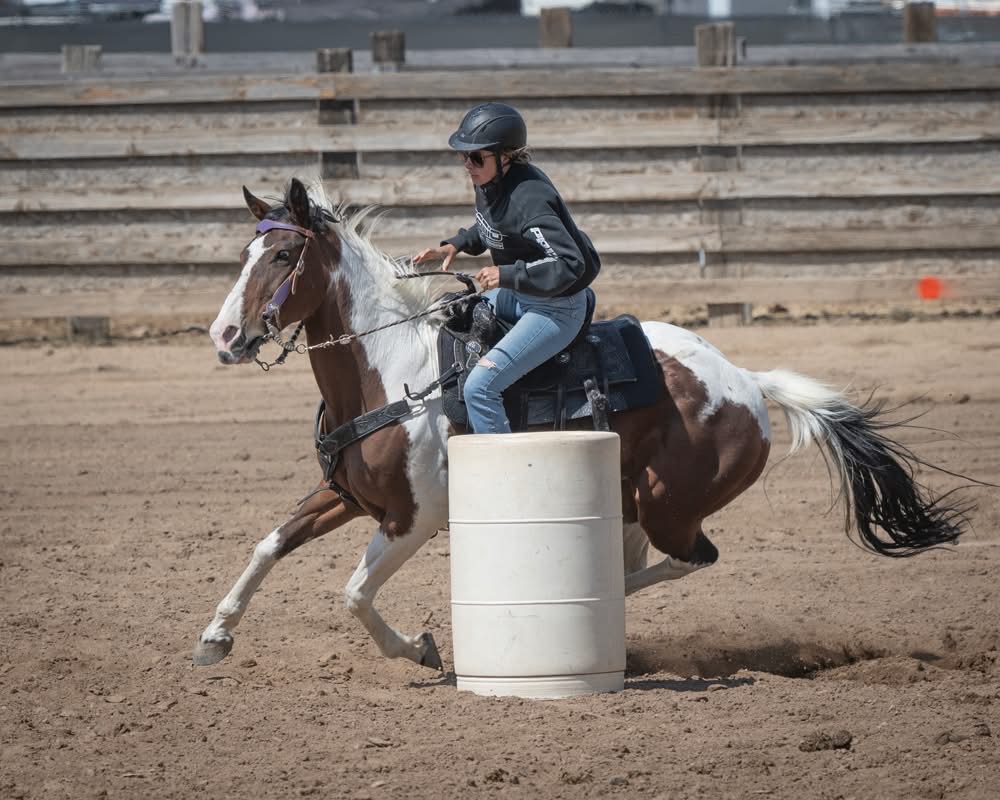
Advanced rider demonstrating proper form and technique in barrel racing
Learning to read a horse's body language is a crucial skill. A horse's ears are one of the best indicators of their mood and focus. Ears pricked forward indicate interest or alertness; ears relaxed to the side suggest the horse is calm and resting; ears pinned flat back against the neck are a warning sign of anger or aggression. Similarly, a relaxed, swishing tail is normal, but a tightly clamped tail or a rapidly wringing tail can indicate tension or irritation.
Ground handling—how you interact with the horse when you are not riding—is just as important as your time in the saddle. Spending time grooming your lesson horse is not just a chore; it is an opportunity to build a relationship and practice reading their cues. Always approach a horse towards their shoulder, rather than directly from the front or rear, as they have blind spots in those areas. By respecting their personal space and communicating clearly and calmly, you build a foundation of trust that translates directly to a safer and more harmonious ride.
How Do I Choose the Right Horseback Riding Lesson Program?
Selecting the right lesson program is critical to your success and enjoyment as an adult beginner. Not all barns are created equal, and finding an environment that caters to adult learners will make a significant difference in your experience.
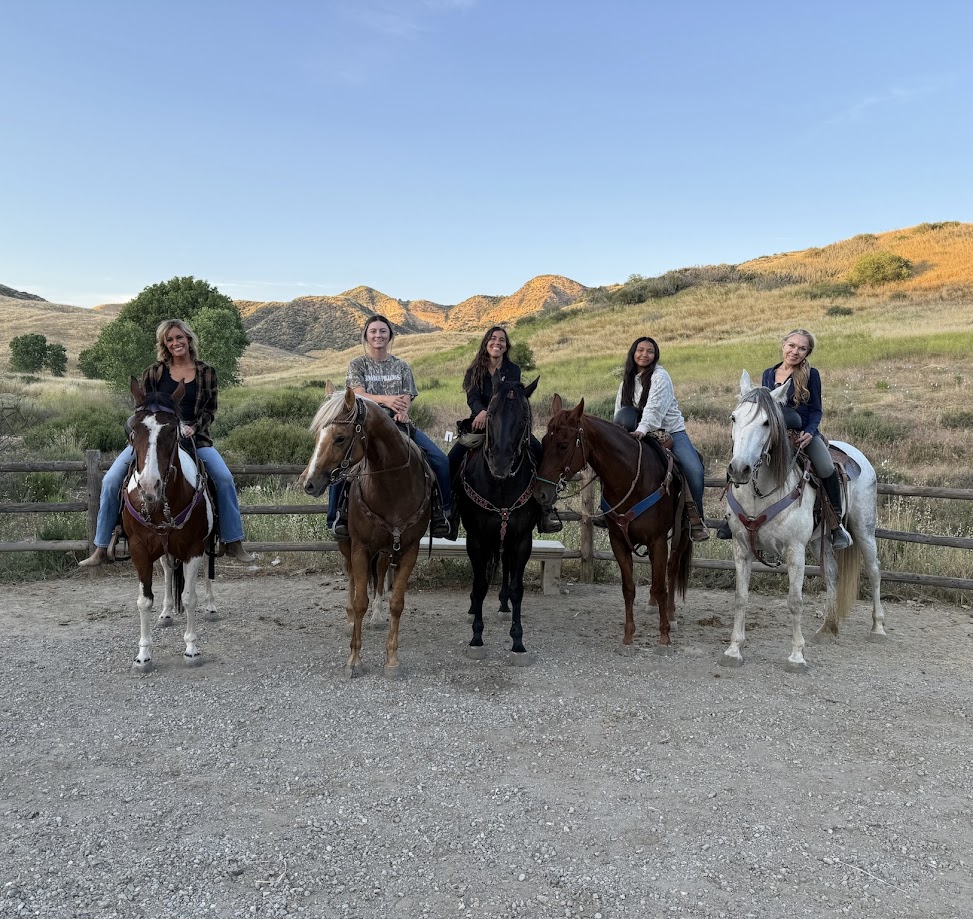
Group of adult riders enjoying a scenic trail ride in beautiful terrain
When evaluating a program, consider whether you want private vs group riding lessons. Private lessons offer one-on-one attention, which is excellent for true beginners who need focused instruction to master the basics safely. Group lessons are often more affordable and offer a social aspect, but you will share the instructor's time with other riders. Many adults start with private lessons and transition to a group setting once they can safely walk, trot, and steer independently.
You will also need to choose between English vs Western riding. While the fundamentals of balance and communication are similar, the tack (equipment) and riding styles differ. English riding uses a smaller, lighter saddle and involves constant contact with the horse's mouth through the reins. It is the foundation for disciplines like dressage and show jumping. Western riding uses a larger, deeper saddle with a prominent horn and often utilizes a looser rein. It is the style most commonly associated with trail riding and ranch work. For beginners, the choice often comes down to personal preference and what is available in your area. If your ultimate goal is to enjoy trail rides, such as those offered at horsebackridingtrails.com in locations like Vasquez Rocks or Rincon Beach, Western riding might be a natural fit, though English riders are equally capable on the trail.
When visiting a prospective barn, observe the environment. Is it clean and well-maintained? Do the horses look healthy and relaxed? Are safety rules clearly posted and enforced? Ask the instructor about their experience teaching adults, their safety protocols, and how they structure their beginner curriculum. A good program will be happy to answer your questions and may offer an evaluation lesson before you commit to a package.
What Gear Do I Need and How Much Do Lessons Cost?
The logistics of starting horseback riding lessons—budgeting, scheduling, and buying gear—can seem overwhelming, but you do not need to buy everything at once.
Essential Beginner Riding Gear
For your first few lessons, you only need a few key items to ensure your safety and comfort:
- An ASTM/SEI Certified Helmet: This is the most critical piece of equipment. Do not buy a used helmet, as you cannot be sure if its structural integrity has been compromised. Most lesson programs will provide helmets for beginners to borrow, but purchasing your own ensures a perfect fit.
- Appropriate Footwear: You must wear closed-toe shoes with a hard sole and a distinct heel (about 1 to 1.5 inches). This prevents your foot from slipping through the stirrup. Paddock boots are ideal, but a sturdy pair of work boots with a heel will suffice for your first few lessons. Avoid sneakers.
- Comfortable Pants: Wear long, seamless pants like leggings or specially designed riding tights or breeches. Jeans can chafe your legs due to the thick inner seam.
Lesson Costs and Scheduling
The cost of horseback riding lessons varies widely depending on your location, the facility's amenities, and whether you are taking private or group lessons. On average, you can expect to pay anywhere from $45 to $85 per group lesson, and $60 to $120+ for a private lesson. Many barns offer discounted packages if you purchase multiple lessons at once.
Regarding how often you should take riding lessons, once a week is the standard recommendation for beginners. This frequency allows you to build muscle memory and progress steadily without becoming overly fatigued or overwhelmed. If your budget and schedule allow, riding twice a week will accelerate your learning, but consistency is more important than frequency. Riding once a week consistently for six months will yield better results than riding three times a week for a month and then stopping.
Conclusion: Your 30-Day Starter Plan for Equestrian Success
Starting horseback riding lessons as an adult is a journey that rewards patience, consistency, and a willingness to learn. By understanding what to expect, focusing on your fitness, and choosing a supportive lesson program, you are setting yourself up for success. Remember that every expert rider started exactly where you are today.
If you are ready to begin, here is a simple 30-day starter plan:
- Research and Book a Trial Lesson: Find a local barn that offers adult beginner lessons and schedule an introductory session.
- Acquire Basic Gear: Ensure you have appropriate footwear (boots with a heel) and comfortable pants. Borrow a helmet from the barn for your first lesson.
- Start a Light Fitness Routine: Begin incorporating 10-15 minutes of core and stretching exercises into your day, 3-4 times a week.
- Keep a Learning Journal: After each lesson, write down one thing you did well and one thing you want to focus on next time. Set one small, achievable confidence goal for each week.
With the right mindset and preparation, you will soon be enjoying the incredible partnership that comes from riding horses, preparing you for future adventures on the trail.
Frequently Asked Questions
Am I too old to start horseback riding lessons as an adult? Absolutely not. Adults of all ages successfully learn to ride. Adult learners bring focus, patience, and safety awareness to their lessons, which are significant advantages. As long as you have clearance from your doctor for physical activity, age is not a barrier to starting equestrian sports.
How often should adult beginners take lessons to progress? For steady progress, taking one lesson per week is highly recommended. This allows you to build muscle memory and retain what you have learned without risking burnout or excessive soreness. Consistency is key; a regular weekly schedule is better than sporadic, intensive sessions.
What should I wear to my first riding lesson? Safety and comfort are the priorities. You must wear long pants (leggings or riding tights are best to avoid chafing) and closed-toe shoes with a 1 to 1.5-inch heel to prevent your foot from slipping through the stirrup. A properly fitted, ASTM-certified equestrian helmet is mandatory; most barns will provide one for your first lesson.
How long does it take adults to learn to trot or canter? Timelines vary based on individual fitness, balance, and lesson frequency. Generally, adults taking weekly lessons begin learning to post the trot within the first 4 to 6 weeks. Learning to canter typically occurs between 6 to 12 months, once the rider has established a secure, independent seat and solid balance at the walk and trot.
How do I manage fear of falling as a new rider? Managing fear involves gradual exposure and communication. Talk to your instructor about your nerves so they can pace the lesson appropriately. Focus on deep breathing to stay relaxed, set small "minimum wins" for each lesson, and remember that beginner lesson horses are specifically chosen for their calm and forgiving nature.
Do I need to get fit before starting, or will lessons get me fit? While riding itself is a great workout that will improve your fitness over time, having a basic foundation of core strength and flexibility will make your initial lessons much easier and more enjoyable. Simple exercises like planks, squats, and hip stretches done a few times a week are excellent preparation.
What's the difference between English and Western for beginners? The main differences lie in the equipment and riding style. English riding uses a smaller, lighter saddle and maintains constant contact with the horse's mouth via the reins. Western riding uses a larger, deeper saddle with a horn and often utilizes a looser rein. Both styles teach the same fundamental principles of balance and horsemanship.
How much do lessons and beginner gear typically cost? Lesson prices vary by region and format but generally range from $45 to $85 for group lessons and $60 to $120+ for private lessons. For initial gear, you can often borrow a helmet. If you purchase your own, a safe, certified beginner helmet costs between $50 and $100, and basic paddock boots range from $40 to $100.