First Horseback Riding Experience: The Complete Beginner Checklist And Guide
Your first horseback riding experience should feel exciting, not confusing. This guide explains what to wear, what to bring, how guided rides usually work, and which beginn
A first horseback riding experience often comes with two feelings at the same time: excitement and uncertainty. That is normal. Most first-time riders are not worried about whether the ride will be beautiful; they are worried about the small practical questions. What should you wear? What if the horse speeds up? What if the saddle feels off? What if you feel nervous on a hill?
The good news is that beginner rides are designed to answer those questions before they become problems. Reputable riding programs use suitable horses, adjust tack, explain basic rules, and monitor riders throughout the experience.2 6 A guided ride is not a test of expertise. It is a structured introduction that helps you feel safe, comfortable, and capable from arrival to dismount.
What Should I Expect During My First Time Horseback Riding Experience?
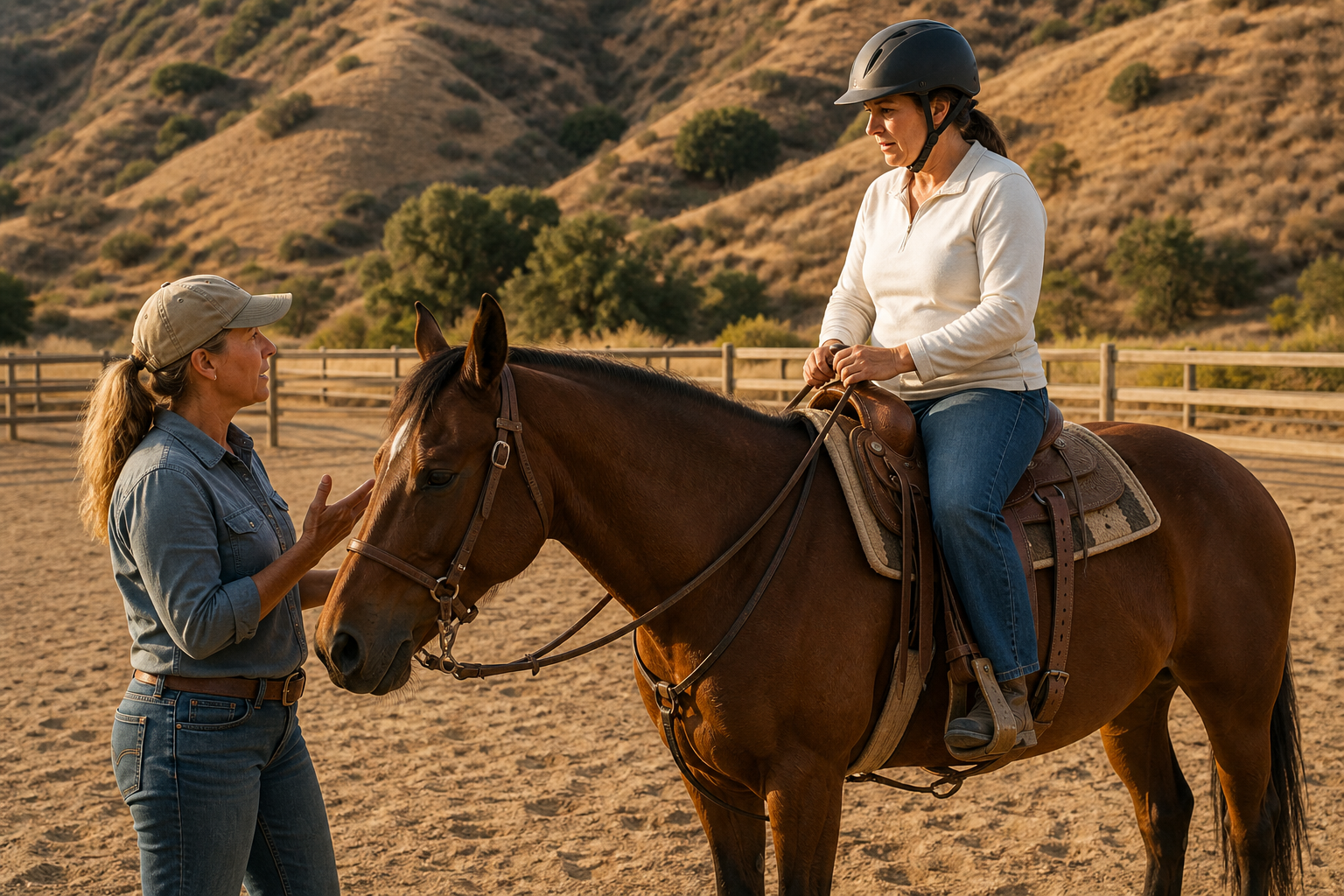
If it is your first time horseback riding, start with realistic expectations. Most guided rides begin with check-in, waivers, a short orientation, horse matching, tack adjustments, and a supervised departure onto an easy trail or lesson route. Good programs select horses that suit the rider's size and skill level, because horse selection is a basic safety decision, not a random assignment.6
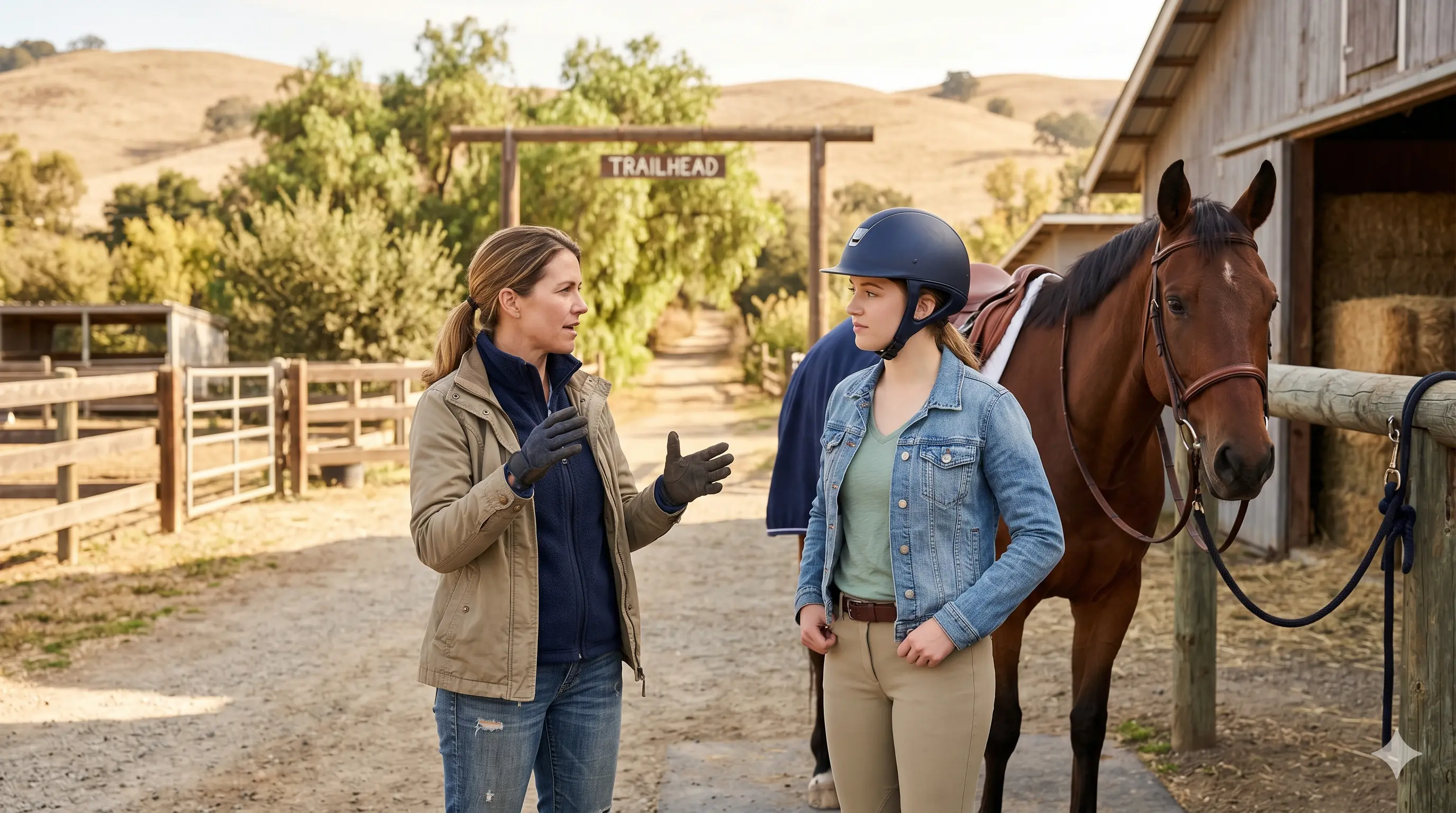
When you arrive, expect a few simple administrative steps before you ever get in the saddle. You may need to confirm your reservation, sign a waiver, disclose anything relevant about your health or comfort, and listen carefully to the guide's safety talk. This is also the right moment to tell the staff whether you are nervous, whether you have mobility concerns, or whether you have never been near horses before. Clear communication early makes the ride smoother later.
After that, you will usually be introduced to your horse and helped through mounting. The guide may use a mounting block, check the stirrup length, adjust the cinch or girth if needed, and make sure the saddle feels secure. If anything feels too loose, too tight, too high, or too long, say so immediately. Responsible programs are supposed to use tack that is serviceable, properly adjusted, and suitable for both horse and rider.6
A beginner ride often follows a simple pattern:
- You arrive, check in, and listen to the safety briefing.
- You meet your horse and get help with mounting and fit checks.
- The guide explains basic rein use, stopping, spacing, and trail behavior.
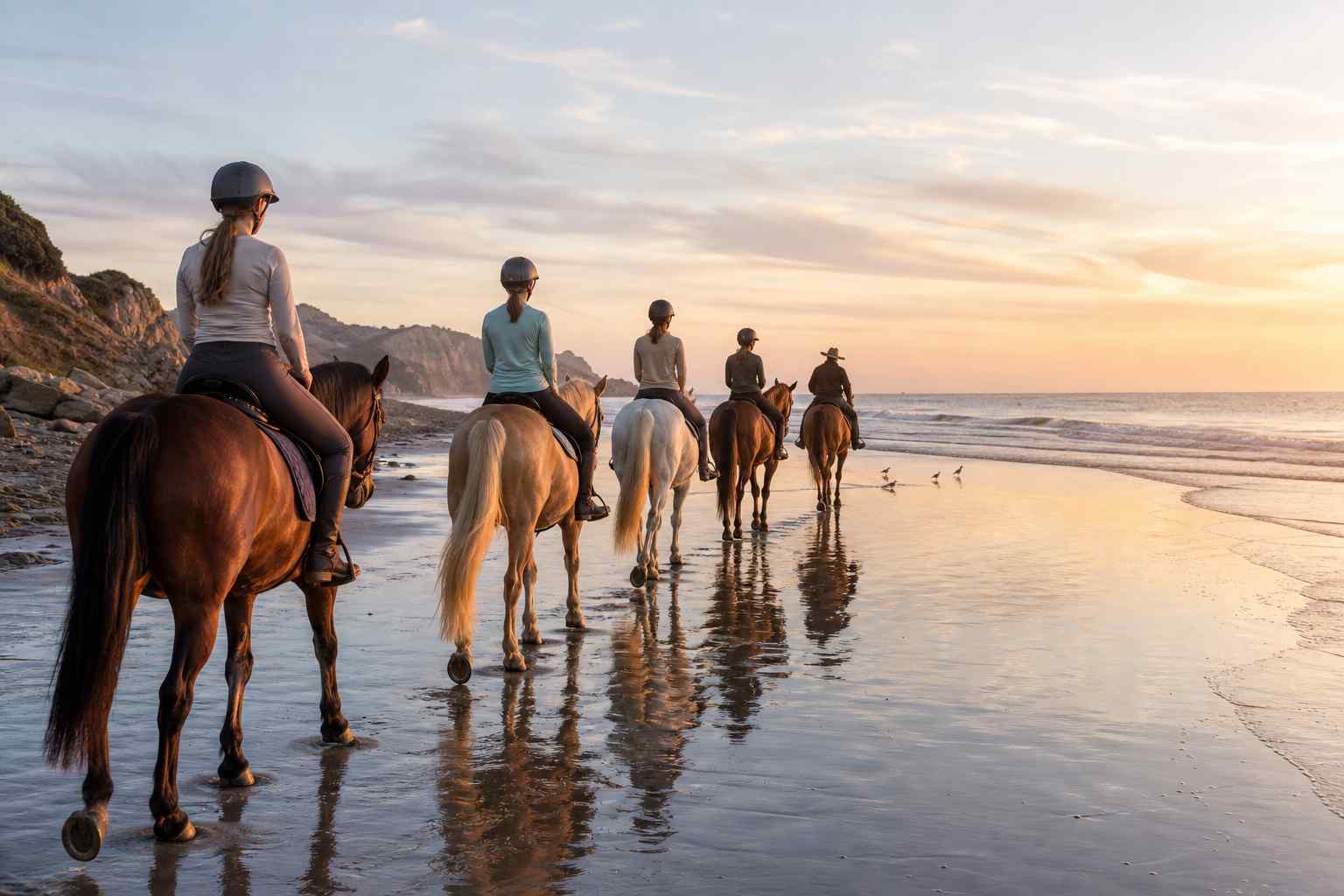
- The group heads out at an easy pace, usually in a line.
- The ride returns to the ranch or trailhead for dismounting and photos.
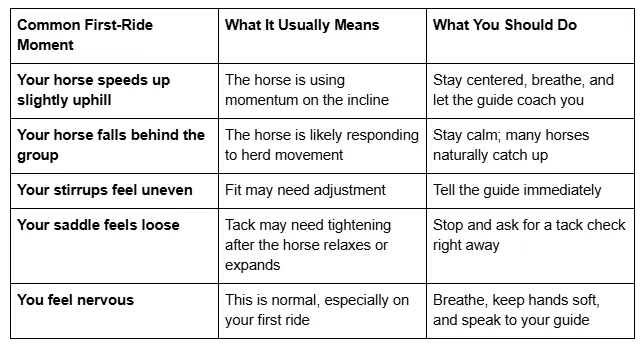
What surprises many first-time riders is how much the horse notices the group. Horses are sensitive animals, and they react to movement, sound, body position, and nearby horses.1 5 That is why your horse may speed up a little to stay with the group or settle once the other horses settle. This behavior does not always mean the horse is misbehaving. Often, it is simply responding to the herd, the terrain, and the pace set by the guide.
What Should Be On My First Horseback Ride Checklist Before I Leave Home?
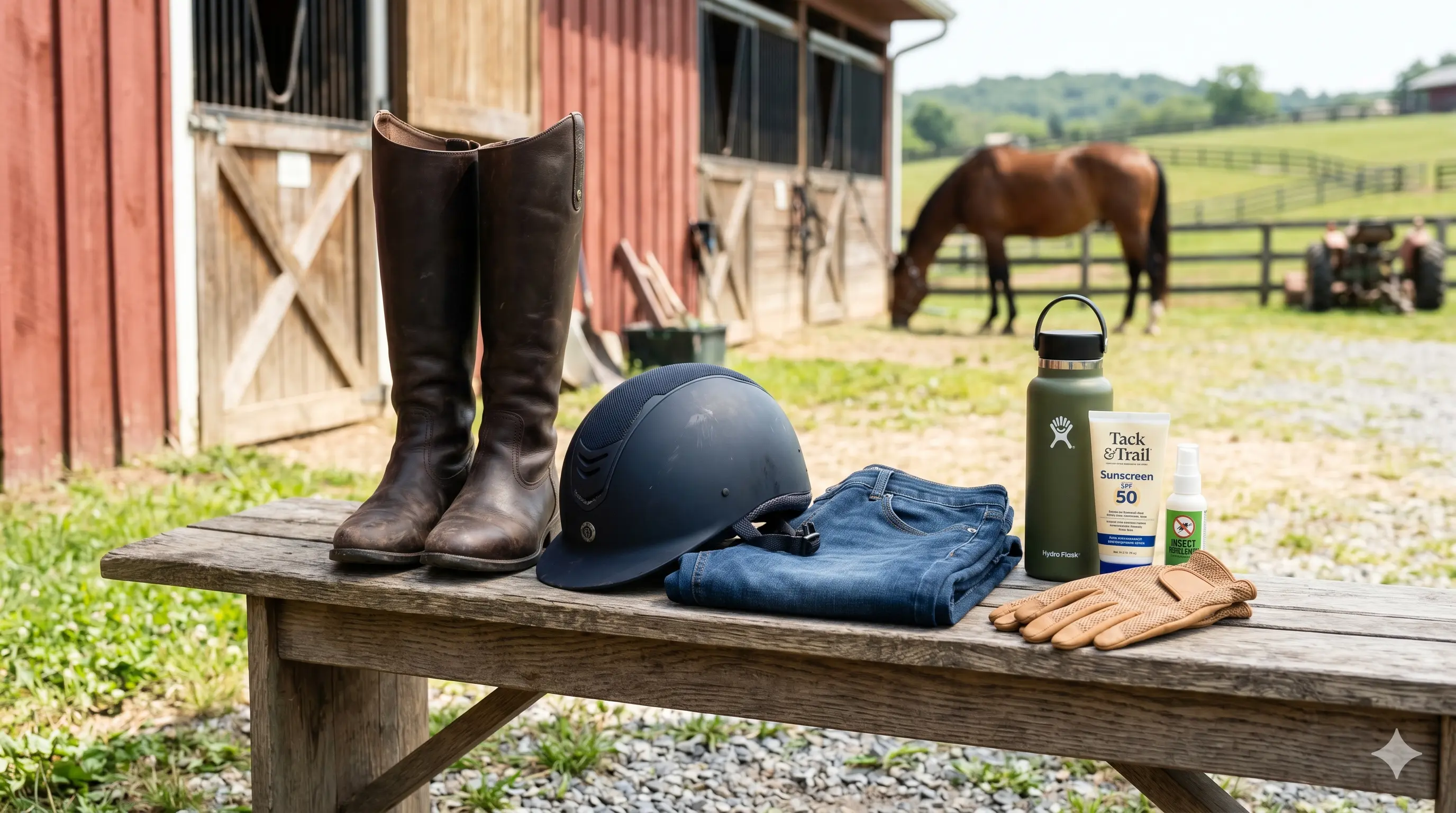
Use this first horseback ride checklist to prepare with confidence. The goal is not to buy a closet full of riding gear. The goal is to arrive wearing the right basics, carrying the right essentials, and avoiding the small mistakes that make first rides less comfortable.
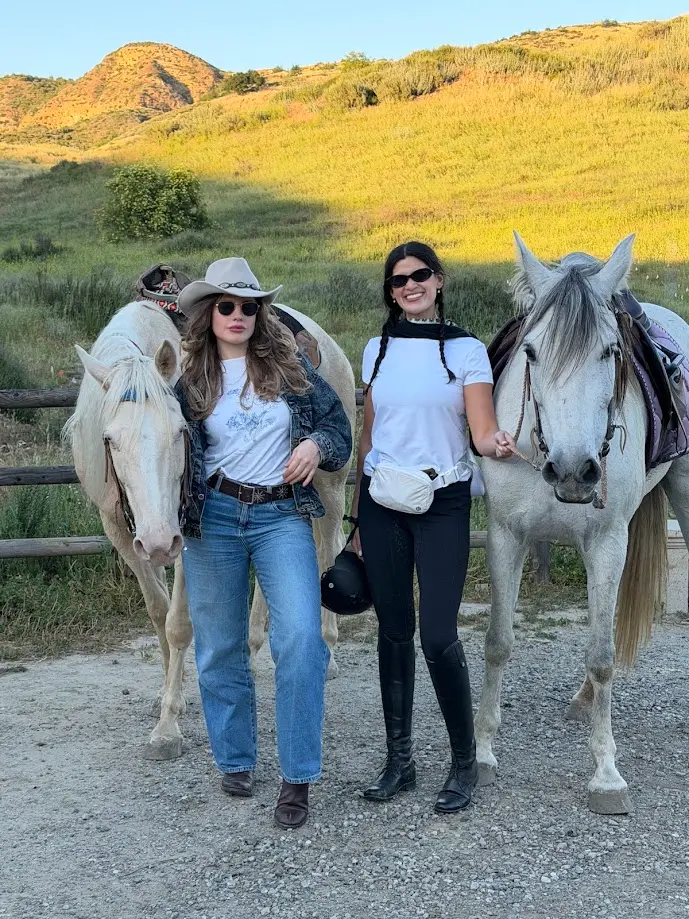
The most important clothing choice is usually long pants. Jeans, riding tights, or other durable pants help reduce friction from the saddle. Closed-toe shoes are also important, and many facilities prefer boots with a small heel. The CDC also recommends dressing for heat with lightweight clothing and sunscreen when conditions are hot, which matters on open trails and summer rides.4 For helmet safety, look for a properly fitted riding helmet that meets ASTM/SEI guidance; UConn's equine safety guidance explains that fit should be snug enough to stay stable and should not obscure vision.2
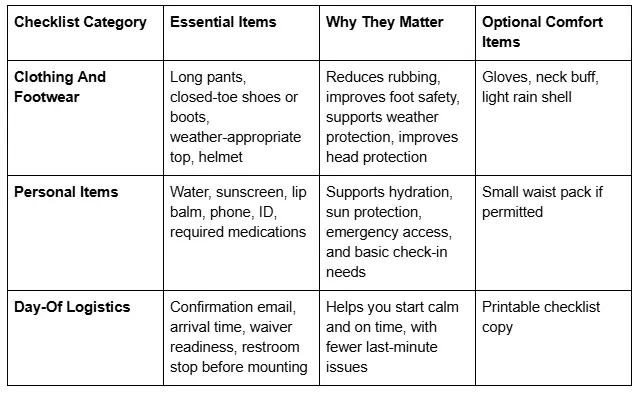
A practical packing mindset helps. Bring the items you are likely to use, not everything you own. Secure your phone so it cannot fall easily if the horse shifts. Tie back long hair so it does not interfere with helmet fit or your line of sight.2 If bugs are common where you ride, insect repellent can make a big difference. If you are prone to chafing or sun sensitivity, plan for that before you arrive rather than after you are already in the saddle.
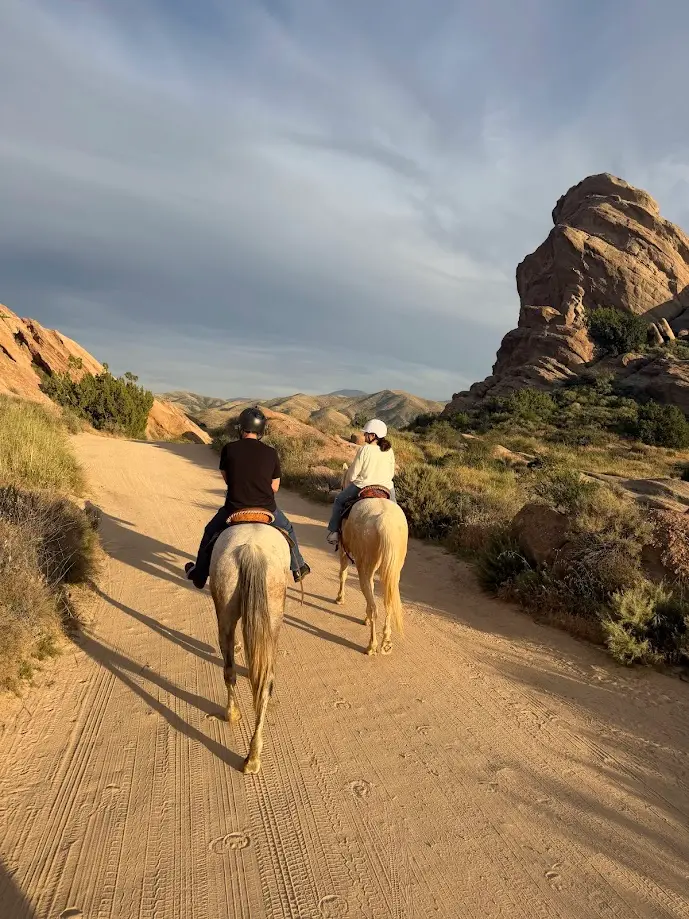
What Are The Most Helpful Beginner Horseback Riding Tips For A Calm, Comfortable Ride?
These beginner horseback riding tips help you communicate clearly with your horse while staying relaxed in your own body. Most beginners do better when they focus on a few simple habits rather than trying to remember every possible instruction at once.
Start with your hands. Keep them quiet, low, and steady instead of pulling constantly. On many beginner rides, stopping is taught as a light lift-and-release rather than a hard backward pull on the reins. That matters because some horses brace against continuous pressure. Instead, a soft cue combined with calm posture works better and keeps the conversation with the horse clear.
Your seat matters just as much as your hands. Sit deep in the saddle, keep your shoulders back, and look where you want to go. If you lean forward too much, you may unintentionally encourage the horse to move with more energy. If the trail goes uphill, the horse may naturally pick up momentum to climb more comfortably. If the trail goes downhill, staying centered and balanced helps you avoid tipping forward onto the horse's neck.
Breathing also changes the ride. Horses are sensitive to movement and tension, and Penn State notes that they respond rapidly to disruptions in their surroundings.1 If you get nervous, your first job is not to become perfectly fearless. Your first job is to breathe, stay as soft as possible, and tell the guide what you need. Quiet hands and calm breathing usually help more than gripping, yelling, or reacting suddenly.
Trail etiquette matters too, especially on shared trails. The National Park Service explains that hikers yield to horses and that sudden movements or loud noises can frighten horses on the trail.5 As a rider, that means you should maintain spacing, listen for instructions about passing, and avoid crowding the horse in front of you. If wildlife, bikes, or hikers appear, let the guide manage the situation and keep your cues simple.
If you want extra practice before a trail ride, reading a beginner resource on how to hold reins or trail riding etiquette can make the first lesson feel more familiar.
A Practical Horseback Riding Guide: From Booking To Post-Ride Photos
Think of this first horseback riding guide as your roadmap from booking to post-ride photos. A smoother ride usually starts before the ride day itself, when you choose the right program and understand the basic policies.
Before you book, check rider requirements carefully. Many facilities publish age minimums, height or weight guidelines, footwear rules, and cancellation policies. This is also the time to ask about helmets, experience requirements, weather plans, and whether the ride is better for sightseeing, true beginners, or more confident riders. If you have any mobility, sensory, or medical considerations, mention them early. Welcoming, safe programs want that information in advance so they can advise you honestly.
On ride day, weather and trail conditions affect more than comfort. They can influence the route, pace, and even whether the ride goes out at all. The CDC recommends checking weather and safety updates and planning outdoor activity carefully during high heat.4 Muddy trails, steep terrain, storms, or heat advisories may change the day's plan. That is not a sign of poor organization; it is often a sign of good judgment.
During the ride, stay in communication with your guide. If the saddle shifts, if a stirrup feels wrong, if you need to pause, or if fear starts rising, say something early. Do not wait until a small issue becomes a big one. The briefest sentence is enough: “My stirrup feels too long,” or “Can we stop for a second?” First-time riders sometimes hesitate because they do not want to bother the guide. In reality, early feedback is part of safe riding.
At the end of the ride, you will usually dismount with help, stretch a little, and often take photos. Some barns share professional photos later, while others will use your phone if conditions allow. If tipping is customary in your area, ask discreetly or check the booking confirmation.
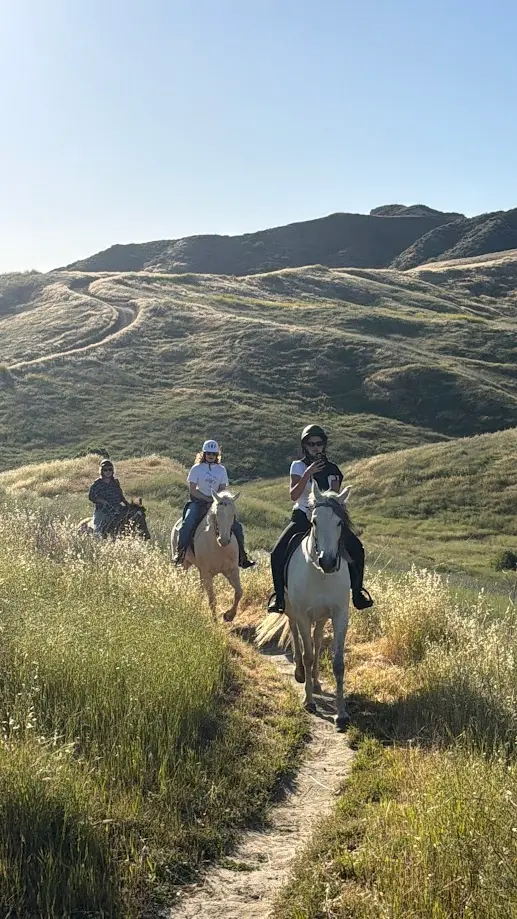
What Do I Need To Know Before Horseback Riding About Safety, Terms, And Comfort Checks?
A few essentials on what to know before horseback riding can make the whole experience feel much more manageable. You do not need advanced equestrian knowledge, but you do need a few basic safety habits, a few plain-language terms, and enough confidence to ask for help quickly.
First, helmets deserve serious attention. UConn's equine helmet guidance says riders should look for the ASTM/SEI seal and make sure the helmet fits evenly, stays stable, and does not block vision.2 That matters because the CDC's horseback riding injury guidance reported that head injuries were associated with more than 60% of horse-related deaths in the reviewed records.3 A helmet is not a small detail. It is one of the clearest risk-reduction steps a beginner can take.
Second, know a few useful terms. A rein is the strap you use to communicate direction and speed. A stirrup is where your foot rests. A cinch or girth helps secure the saddle. Whoa or ho is a common stopping cue. A mounting block is the platform used to help riders mount more comfortably. You do not need to memorize a glossary, but understanding these words makes the guide's instructions easier to follow.
Third, do a comfort check before and during the ride. Notice whether the stirrups feel even, whether you are rubbing anywhere, whether the helmet still feels stable, and whether you need water or a break. Heat can affect judgment and endurance, and CDC guidance notes that people should drink fluids even before they feel thirsty during extreme heat.4 Comfort is not separate from safety. In many beginner situations, they are closely connected.
Finally, respect the horse as a living animal, not a machine. Penn State advises approaching horses from the front toward the shoulder, moving slowly, speaking as you approach, and avoiding surprise movements from behind.1 That advice matters on the ground, but the principle carries into riding too. Calm, predictable behavior makes horses easier to read and easier to ride.
Definition Box: A first horseback riding experience is a guided introduction in which a rider is matched with a suitable horse, fitted to the tack, taught simple cues, and led through an easy lesson or trail ride with supervision.2 6
Frequently Asked Questions
What Should I Expect On My First Horseback Riding Experience?
Expect check-in, a waiver, a short safety briefing, horse matching, tack adjustments, and a supervised ride. You do not need advanced knowledge before arriving, but you do need to listen carefully and speak up if something feels off.
What Should I Wear For My First Time Horseback Riding?
Long pants and closed-toe shoes are the usual basics, and many facilities prefer boots. A properly fitted riding helmet is strongly recommended, and sun protection matters for outdoor rides.2 4
Do I Need Lessons Before A Guided Trail Ride?
Not always. Many guided trail rides are designed for beginners, especially when the facility uses calm horses and gives a clear orientation. If you are unsure, ask whether the ride is truly beginner-friendly before you book.
How Do I Stop A Horse Without Pulling Hard On The Reins?
Most beginner programs teach a light, clear cue rather than a hard, continuous pull. Keep your hands quiet, follow the guide's instruction, and ask for a stop early if you feel uncertain.
Is Horseback Riding Safe For Beginners?
It can be made much safer when riders use the right gear, choose a reputable guided program, wear a proper helmet, and communicate quickly about fit or comfort issues.2 3 6
How Early Should I Arrive For A Trail Ride?
Arriving early is helpful because it gives you time for paperwork, a restroom stop, and a calm orientation. Exact timing varies by facility, so follow the confirmation email.
What Is The Weight Limit For Horseback Riding?
That depends on the facility, the horses available, the trail, and the tack. The safest answer is always to check the posted rider requirements before booking.
Do I Have To Wear A Helmet When Riding?
Policies vary, but from a safety standpoint, a properly fitted ASTM/SEI riding helmet is a wise choice for beginners.2 3
What If My Saddle Feels Loose During The Ride?
Tell your guide immediately and ask to stop. Tack should be checked and adjusted rather than ignored.6
Will The Horses Run If I Am Nervous?
Usually, no. Horses may feel rider tension, but guided trail horses are chosen and managed with beginner riders in mind. Calm breathing, soft hands, and clear communication with the guide help a lot.
What If I Am Afraid Of Heights Or Steep Hills On The Trail?
Tell the guide before the ride starts and again if you feel worried during the ride. Guides can often explain what the horse is doing and help you stay balanced and calm.
Can I Bring My Phone For Photos While Riding?
Many riders do, but the safest option depends on the facility and the trail. If you bring a phone, secure it well and ask whether stopping for photos is allowed.
A guided ride is supposed to help beginners feel more comfortable, not more overwhelmed. If you use the checklist, ask questions early, and stay honest about your comfort level, your first horseback riding experience is far more likely to feel manageable and memorable in the best way. The horse does not expect perfection, and neither should you. Come prepared, stay open to instruction, and enjoy the scenery as you build confidence one calm step at a time.