Adult Horseback Riding Lessons: Why It's Never Too Late to Start
Learn why it's never too late to start horseback riding as an adult.
Adult Horseback Riding Lessons: Why It's Never Too Late to Start
Many adults wonder if it's too late to learn horseback riding. The answer is a resounding no. Whether you're 30, 50, or 70 years old, horseback riding lessons offer a rewarding way to build confidence, improve fitness, and connect with these magnificent animals. In this guide, we'll walk you through what to expect as an adult beginner, how to prepare, and how to set yourself up for success in the saddle.
Why Adults Make Excellent Riding Students
Adult learners bring unique advantages to the riding arena. Unlike younger riders, adults typically approach horseback trail rides with patience, maturity, and a genuine desire to understand the horse-human relationship. You're not learning to compete; you're learning to connect.
Adults also bring focus and safety awareness to their lessons. You understand the importance of proper technique and are willing to invest time in building a solid foundation. This mindset accelerates learning and reduces the risk of developing bad habits that can take years to correct.
Physical Fitness and Preparation
One of the most common concerns adult beginners have is fitness. While horseback riding is an excellent workout that will improve your strength and flexibility over time, having a basic foundation of fitness beforehand makes your initial lessons much more enjoyable.
Before starting, consider incorporating simple exercises into your routine:
- Core Strengthening: Planks, bridges, and bird dogs build the core stability essential for maintaining balance in the saddle.
- Leg Strength: Squats and lunges prepare your legs for the demands of gripping and controlling the horse.
- Hip Flexibility: Hip stretches and gentle yoga poses improve your range of motion and reduce soreness after riding.
- Cardiovascular Endurance: Walking, cycling, or swimming for 20-30 minutes, a few times a week, builds the stamina you'll need for longer rides.
Aim to spend just 10-15 minutes on these exercises 3-4 times a week for 2-3 weeks before your first lesson. This preparation will make a noticeable difference in how quickly you progress and how comfortable you feel in the saddle.
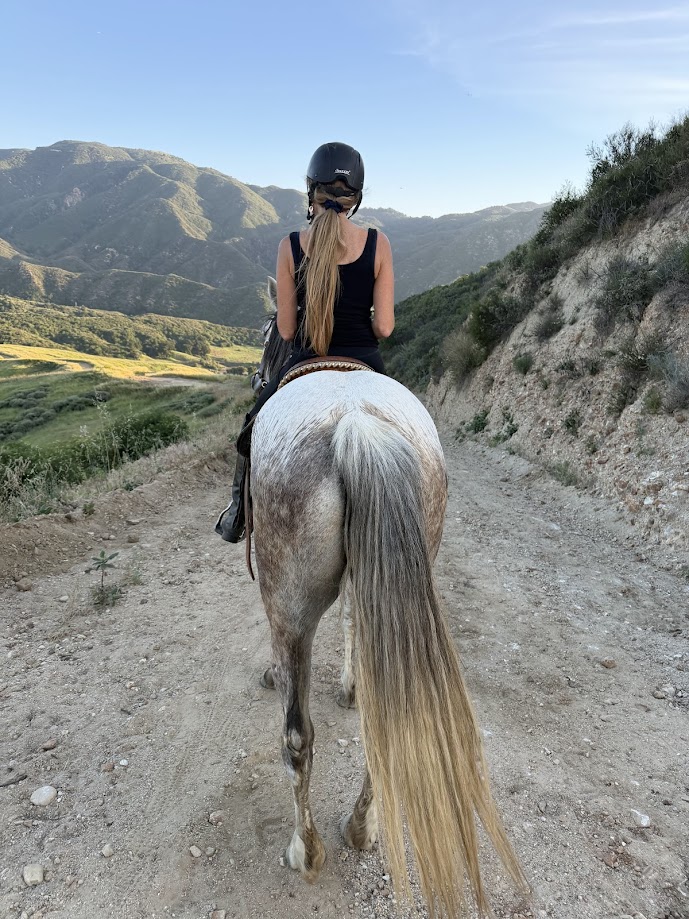
What to Wear to Your First Lesson
Safety and comfort should guide your clothing choices. Here's what you need:
- Helmet: A properly fitted, ASTM-certified equestrian helmet is non-negotiable. Most barns provide helmets for your first lesson, but if you decide to purchase your own, expect to spend $50-$100 on a quality beginner helmet.
- Pants: Wear long pants—jeans, riding tights, or leggings work well. Avoid loose, baggy pants that can bunch up under the saddle and cause chafing.
- Footwear: Closed-toe shoes with a 1 to 1.5-inch heel are essential. The heel prevents your foot from slipping through the stirrup, which is a critical safety feature. Riding boots or paddock boots are ideal; expect to pay $40-$100 for a quality pair.
- Layers: Wear layers so you can adjust to the temperature. Riding can be surprisingly warm, even on cool days.
For more detailed information on what to expect, visit our what to expect page.
Finding the Right Lesson Program
Not all riding programs are created equal. When searching for a place to take lessons, look for these key qualities:
- Experienced Instructors: Your instructor should have extensive experience teaching adult beginners and be able to explain concepts clearly.
- Calm, Suitable Horses: Beginner lesson horses should be well-trained, calm, and forgiving. Meet the horses at the facility before committing.
- Small Class Sizes: Group lessons with 3-4 riders allow for personalized attention. Avoid large group lessons where you might get lost in the crowd.
- Structured Curriculum: A good program has clear progression milestones. You should know what you're working toward and how you're progressing.
- Safe Facilities: The arena should be well-maintained and free of hazards. The barn should be clean and organized.
Visit our locations to find a program near you, or check out our beginner's guide to horseback riding for more detailed advice.
The First Few Weeks: What to Expect
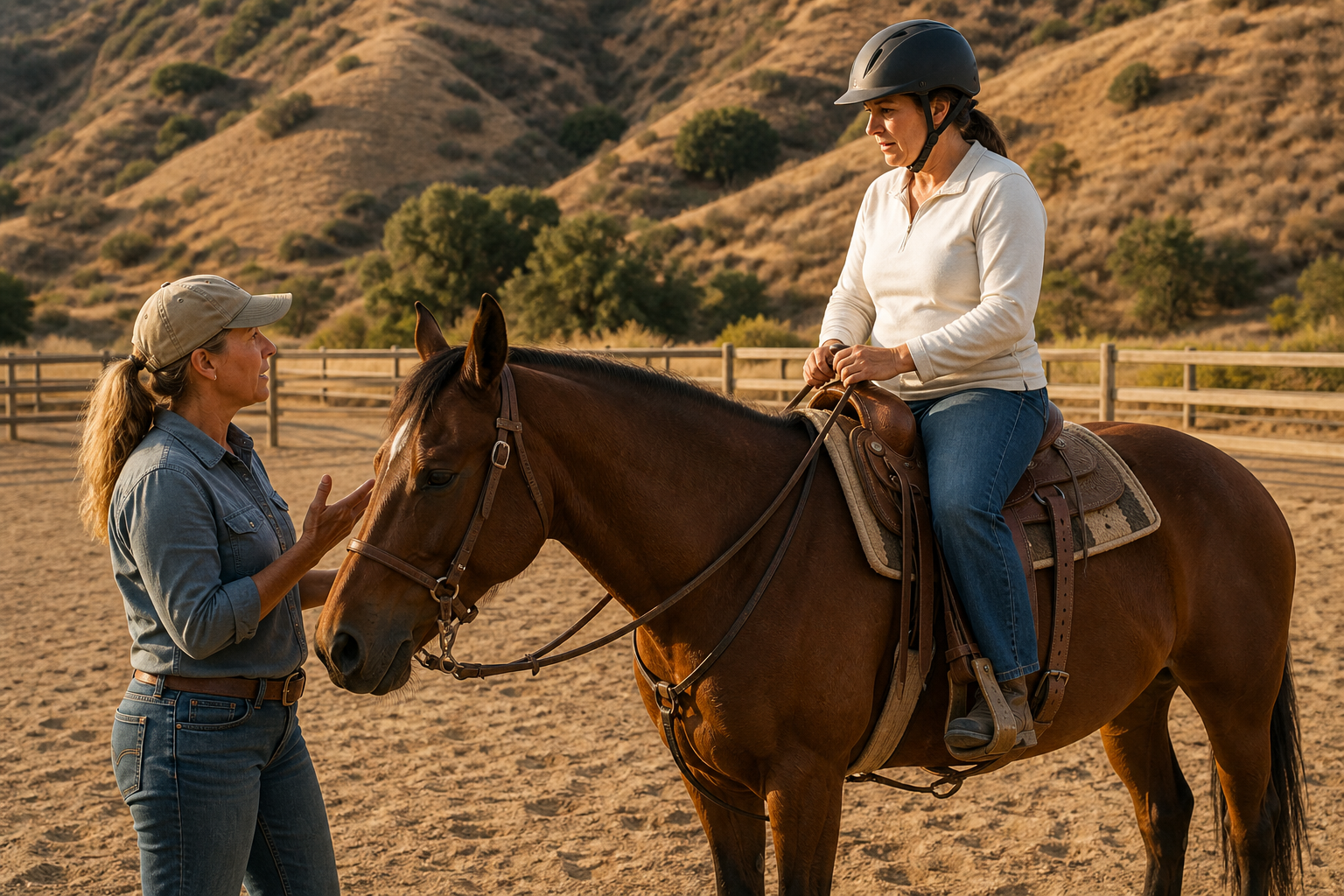
Your first lesson will likely focus on basic groundwork and mounting. You'll learn how to approach the horse safely, how to hold the reins, and how to mount and dismount correctly. Don't be surprised if you don't actually ride much during your first session—this is normal and actually a sign of a good instructor.
In weeks two and three, you'll begin walking on the horse and learning basic commands like "walk," "whoa," and "trot." Your instructor will teach you about balance, posture, and how to communicate with the horse through subtle shifts in weight and rein pressure.
By week four to six, many adult beginners are posting the trot (rising up and down in the saddle in rhythm with the horse's movement), which is a major milestone. Learning to canter (a faster, smoother gait) typically takes 6-12 months of consistent lessons.
For tips on building fitness alongside your lessons, see our guide on beginner horseback trail riding fitness.
Managing Fear and Building Confidence
It's completely normal to feel nervous about riding a 1,000-pound animal. Fear is a natural response, and acknowledging it is the first step to managing it.
Here are strategies that work:
- Communicate with Your Instructor: Tell your instructor about your fears. They can pace the lesson appropriately and provide reassurance.
- Focus on Deep Breathing: When you feel nervous, take slow, deep breaths. Tension travels down the reins to the horse, so staying calm helps the horse stay calm.
- Set Small Wins: Instead of focusing on big goals, set small, achievable confidence goals for each lesson. Maybe this week's goal is to stay relaxed during the trot, or to maintain a steady walk without tensing up.
- Remember the Horses: Beginner lesson horses are specifically chosen for their calm, forgiving nature. They've been ridden by hundreds of nervous beginners and are experts at keeping you safe.
Check out our first horseback riding experience checklist for a comprehensive guide to your first ride.
English vs. Western Riding for Beginners
When you start looking for lessons, you'll encounter two main styles: English and Western. Both teach the same fundamental principles of balance and horsemanship, but they differ in equipment and technique.
English Riding: Uses a smaller, lighter saddle and maintains constant contact with the horse's mouth via the reins. The rider sits deeper in the saddle and uses more precise leg and hand aids. English riding is often considered more technical and is popular for horseback riding lessons because it teaches independent balance.
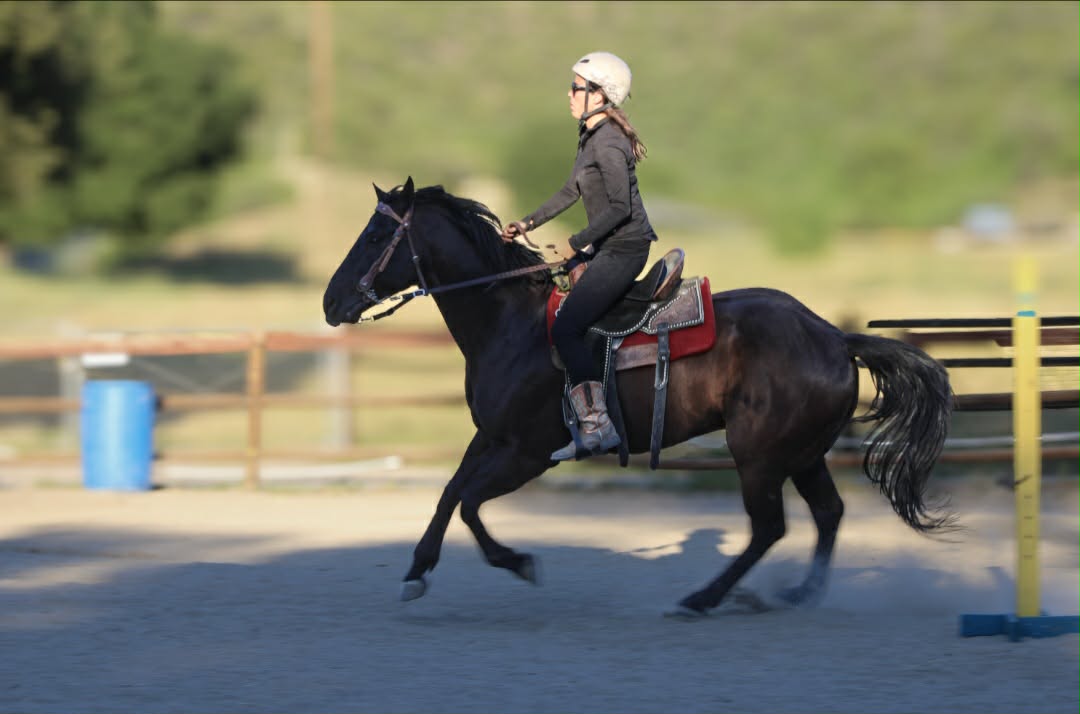
Western Riding: Uses a larger, deeper saddle with a horn (used for roping). The rider sits more upright, and the reins are held with a looser contact. Western riding is often considered more relaxed and is popular for trail riding and ranch work. Learn more about Western horseback riding lessons near me.
For beginners, either style works well. Choose based on your interests and what's available in your area. Many riders eventually learn both.
The Cost of Lessons and Gear
Budget is a practical consideration. Here's what you can expect to spend:
- Lessons: Group lessons typically cost $45-$85 per session, while private lessons run $60-$120+. Many barns offer package discounts if you purchase multiple lessons at once.
- Helmet: $50-$100 for a quality beginner helmet (mandatory for safety).
- Riding Boots: $40-$100 for basic paddock boots.
- Riding Pants/Tights: $30-$80.
- Gloves: $15-$40.
You don't need to buy everything at once. Most barns allow you to borrow a helmet for your first few lessons, and you can wear regular jeans and sneakers (with a heel) to start. Invest in proper gear gradually as you become more committed.
Lesson Frequency and Progression
How often should you take lessons? Once a week is the standard recommendation for beginners. This frequency allows you to build muscle memory and progress steadily without becoming overly fatigued or overwhelmed. If your budget and schedule allow, riding twice a week will accelerate your learning, but consistency is more important than frequency. Riding once a week consistently for six months will yield better results than riding three times a week for a month and then stopping.
For more information on planning your riding journey, book a horseback trail ride or visit our contact page to speak with our team.
Conclusion: Your 30-Day Starter Plan for Equestrian Success
Starting horseback riding lessons as an adult is a journey that rewards patience, consistency, and a willingness to learn. By understanding what to expect, focusing on your fitness, and choosing a supportive lesson program, you are setting yourself up for success. Remember that every expert rider started exactly where you are today.
If you are ready to begin, here is a simple 30-day starter plan:
- Research and Book a Trial Lesson: Find a local barn that offers adult beginner lessons and schedule an introductory session.
- Acquire Basic Gear: Ensure you have appropriate footwear (boots with a heel) and comfortable pants. Borrow a helmet from the barn for your first lesson.
- Start a Light Fitness Routine: Begin incorporating 10-15 minutes of core and stretching exercises into your day, 3-4 times a week.
- Keep a Learning Journal: After each lesson, write down one thing you did well and one thing you want to focus on next time. Set one small, achievable confidence goal for each week.
With the right mindset and preparation, you will soon be enjoying the incredible partnership that comes from riding horses, preparing you for future adventures on the trail.
Frequently Asked Questions
Am I too old to start horseback riding lessons as an adult?
Absolutely not. Adults of all ages successfully learn to ride. Adult learners bring focus, patience, and safety awareness to their lessons, which are significant advantages. As long as you have clearance from your doctor for physical activity, age is not a barrier to starting equestrian sports. Visit our horseback riding lessons for adults page for more information.
How often should adult beginners take lessons to progress?
For steady progress, taking one lesson per week is highly recommended. This allows you to build muscle memory and retain what you have learned without risking burnout or excessive soreness. Consistency is key; a regular weekly schedule is better than sporadic, intensive sessions.
What should I wear to my first riding lesson?
Safety and comfort are the priorities. You must wear long pants (leggings or riding tights are best to avoid chafing) and closed-toe shoes with a 1 to 1.5-inch heel to prevent your foot from slipping through the stirrup. A properly fitted, ASTM-certified equestrian helmet is mandatory; most barns will provide one for your first lesson.
How long does it take adults to learn to trot or canter?
Timelines vary based on individual fitness, balance, and lesson frequency. Generally, adults taking weekly lessons begin learning to post the trot within the first 4 to 6 weeks. Learning to canter typically occurs between 6 to 12 months, once the rider has established a secure, independent seat and solid balance at the walk and trot.
How do I manage fear of falling as a new rider?
Managing fear involves gradual exposure and communication. Talk to your instructor about your nerves so they can pace the lesson appropriately. Focus on deep breathing to stay relaxed, set small "minimum wins" for each lesson, and remember that beginner lesson horses are specifically chosen for their calm and forgiving nature.
Do I need to get fit before starting, or will lessons get me fit?
While riding itself is a great workout that will improve your fitness over time, having a basic foundation of core strength and flexibility will make your initial lessons much easier and more enjoyable. Simple exercises like planks, squats, and hip stretches done a few times a week are excellent preparation.
What's the difference between English and Western for beginners?
The main differences lie in the equipment and riding style. English riding uses a smaller, lighter saddle and maintains constant contact with the horse's mouth via the reins. Western riding uses a larger, deeper saddle with a horn and often utilizes a looser rein. Both styles teach the same fundamental principles of balance and horsemanship.
How much do lessons and beginner gear typically cost?
Lesson prices vary by region and format but generally range from $45 to $85 for group lessons and $60 to $120+ for private lessons. For initial gear, you can often borrow a helmet. If you purchase your own, a safe, certified beginner helmet costs between $50 and $100, and basic paddock boots range from $40 to $100.
Where can I find horseback riding lessons near me?
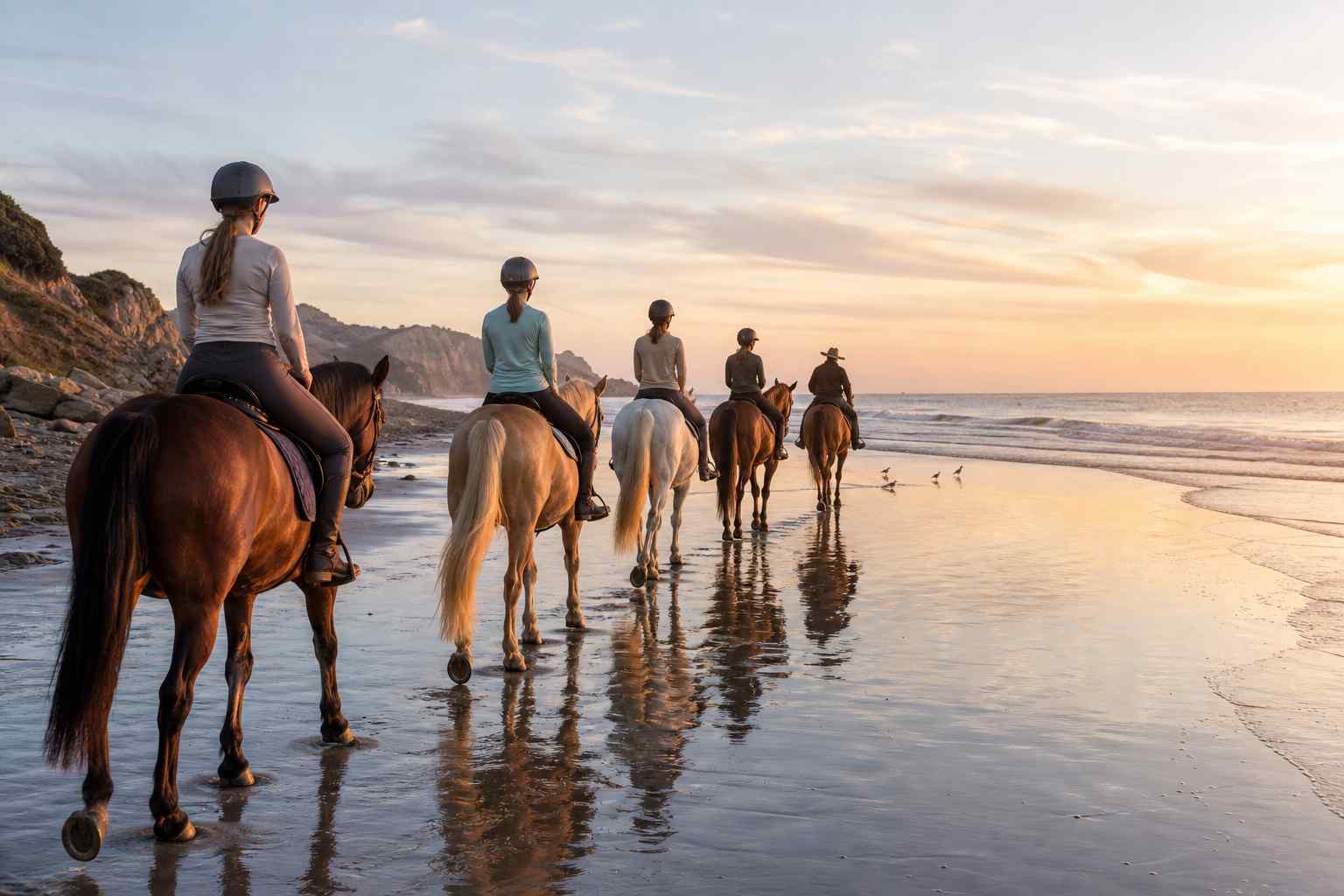
Check our locations page to find programs in your area. We also offer horseback trail rides and beach horseback riding experiences for riders of all levels.
What makes a good lesson program?
Look for experienced instructors, calm and suitable horses, small class sizes, a structured curriculum, and safe facilities. Visit the barn in person to get a feel for the environment and the care given to the horses.
Can I take lessons if I have physical limitations?
Many people with physical limitations successfully ride. Talk to your instructor and doctor about your specific situation. Adaptive riding programs exist in many areas and can accommodate various needs.