What to Expect on a Horseback Riding Trail Ride Near Me
New to trail rides? Learn what to expect, safety, what to wear, and how to choose horseback riding trails near me matched to your skill level.
Are you searching for "horseback riding trails near me" but feeling a bit uncertain about what the actual experience will be like? You are not alone. Many first-time riders are eager to explore nature on horseback but have questions about safety, what to wear, and how the process works. A guided trail ride is a fantastic way to connect with nature and experience the thrill of horseback riding, even if you have never been in a saddle before.
This guide is designed to set your expectations, offering a detailed walkthrough of a typical trail ride from arrival to dismount. We will cover the essential safety briefings, provide a practical kit list for what to wear, and explain the unwritten rules of trail etiquette. By the end of this article, you will feel confident and prepared to book your first equestrian adventure and make the most of your time on the trail.
How Does a Guided Trail Ride Work from Arrival to Dismount?
Setting the scene for your full experience flow helps you visualize the day and reduces any pre-ride anxiety. When you arrive at the stables, the process is designed to be smooth and welcoming, ensuring that both you and your horse are ready for the journey ahead.
What Happens During Booking and Check-In?
Your experience begins before you even arrive. Most stables require advance reservations, especially during peak seasons or weekends. During the booking process, you may be asked to sign liability waivers and disclose any health conditions that could affect your ability to ride safely.
Upon arrival, typically 20 to 30 minutes before your scheduled departure, you will check in at the office. This is the time to confirm your details, use the restroom facilities, and get a feel for the environment. Stables are often bustling with activity, so arriving early ensures you won't feel rushed.
How Are You Matched With a Horse?
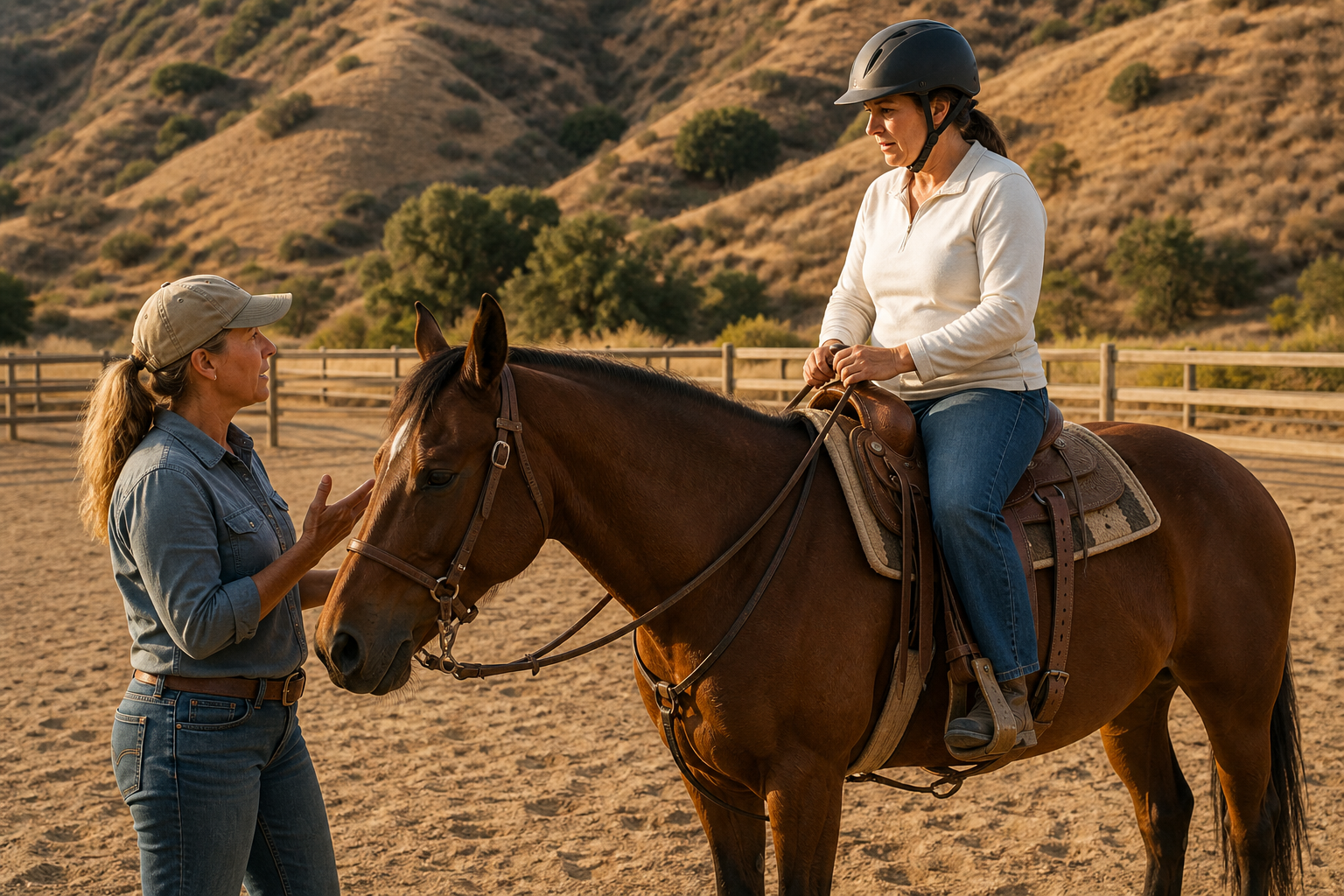
One of the most important steps is the orientation and matching process. Guides will assess your riding experience, confidence level, and physical size to pair you with a suitable horse. Beginners are typically matched with calm, experienced trail horses that know the routes well and are forgiving of novice mistakes.
You will receive basic horse handling tips, such as how to approach your horse safely and how to read their body language. Establishing a brief connection with your horse before mounting can help build trust and make the ride more enjoyable for both of you.
What is the Process for Tack Check and Mounting?
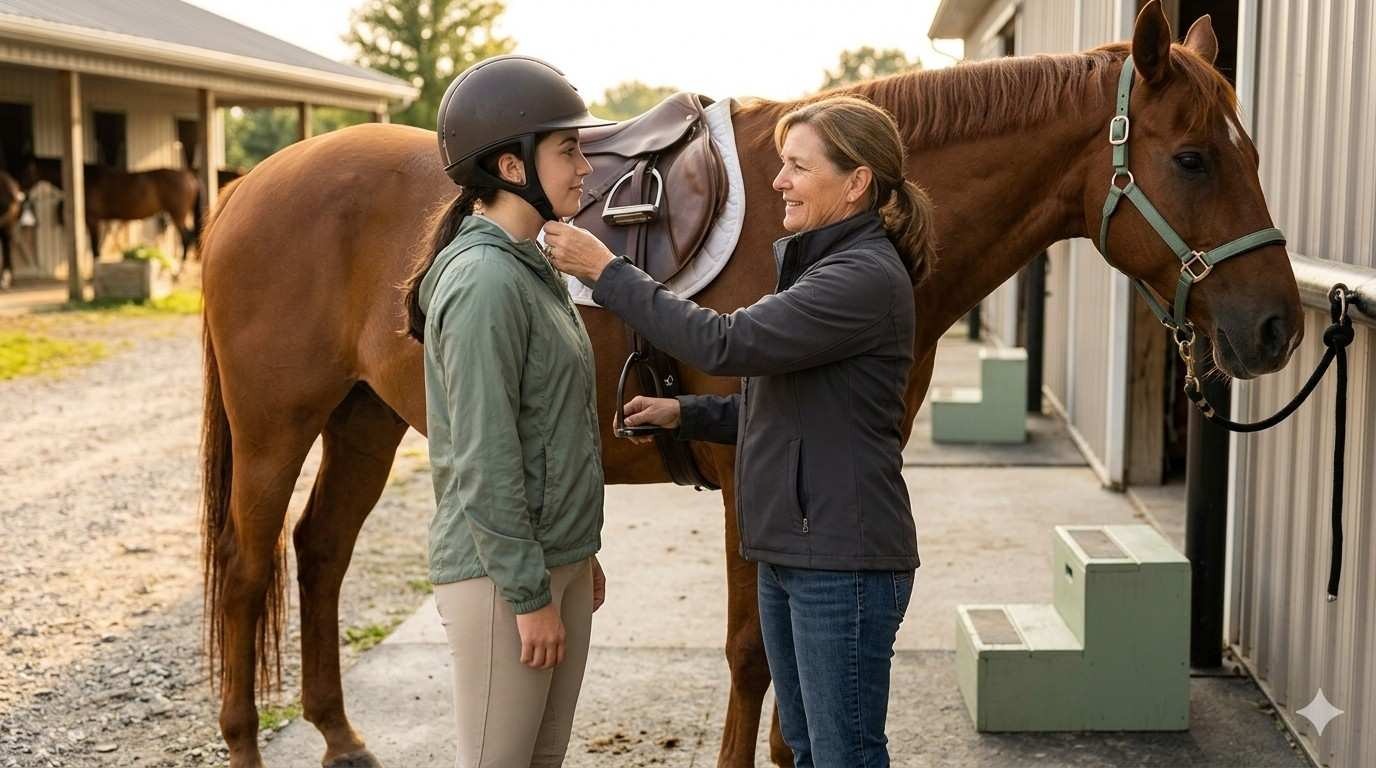
Before you get on, the guides will perform a thorough tack check. This involves ensuring the saddle fits securely and adjusting the stirrup length to match your leg length. Proper stirrup length is crucial for your balance and comfort during the ride.
You will also be fitted for a helmet, which is a standard safety requirement at most reputable stables. When it's time to mount, guides will assist you, often using a mounting block to make it easier and less stressful for the horse's back. Once everyone is mounted and comfortable, the guides will introduce themselves and explain the plan for the ride.
What Will You Actually Do on the Trail?
Once you are on the trail, the experience is all about enjoying the scenery and the rhythm of the horse. Understanding the pace, terrain, and group dynamics will help you feel more comfortable and engaged during the ride.
What is the Typical Pace and Gait?
For beginners, the pace is almost exclusively a walking gait. This is the safest and most comfortable speed for those who are still getting used to the movement of the horse. A walking pace allows you to relax, take in the surroundings, and focus on your balance.
If the group consists of more experienced riders and the terrain permits, the guide might introduce a brief trot. However, the pace is always set by the guide to ensure the safety of the entire group. It's important to respect the guide's decisions and not attempt to urge your horse into a faster gait without permission.
What Kind of Terrain Will You Encounter?
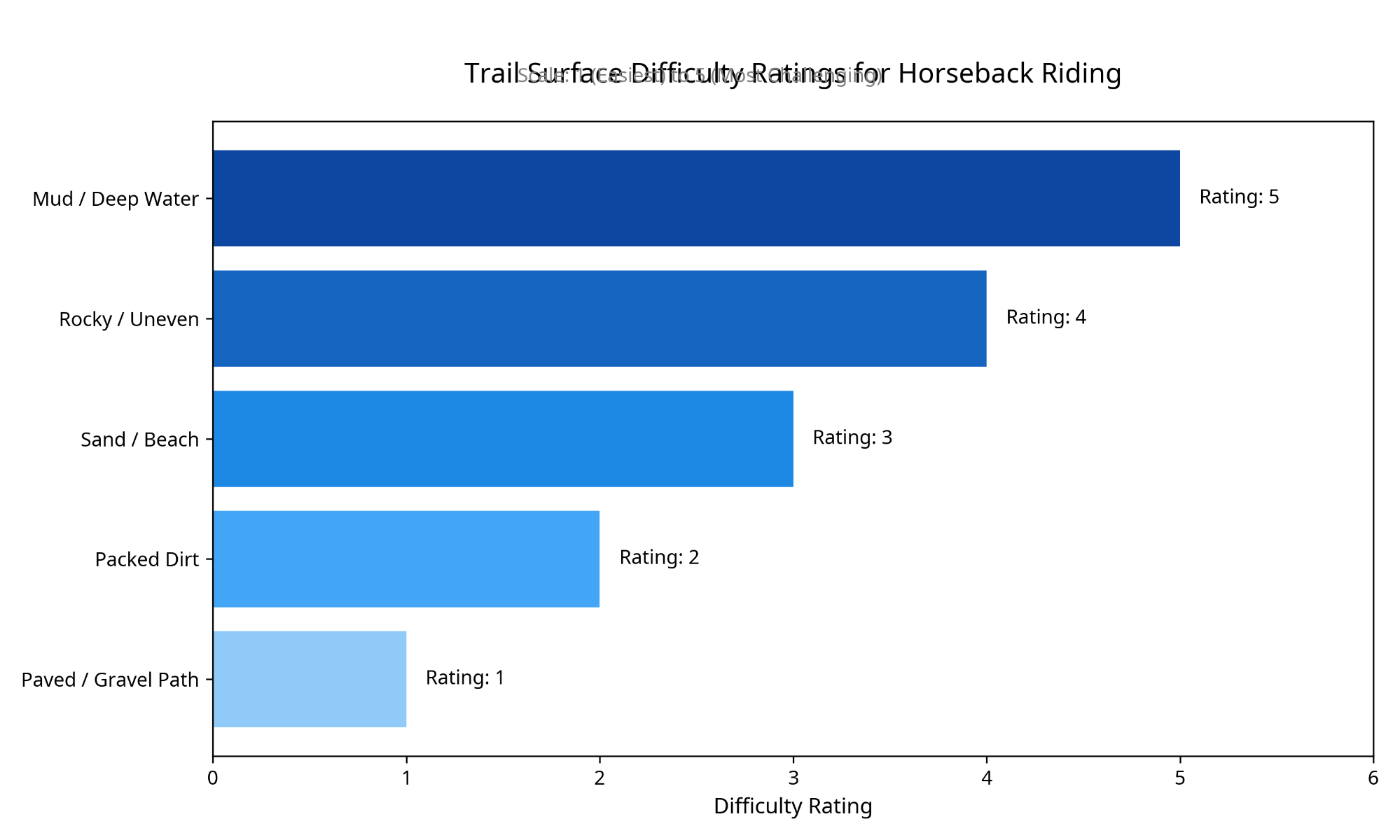
The terrain you ride on will depend heavily on your location. Common trail surfaces include packed dirt, gravel paths, and sometimes rocky or uneven ground.
Your ride will likely include short breaks, especially on longer trails. These stops are perfect for taking photos, having a quick drink of water, and allowing the horses to rest. Scenic viewpoints are often highlights of the trip, offering breathtaking vistas that are uniquely accessible on horseback.
How Do Group Dynamics Work on a Trail Ride?
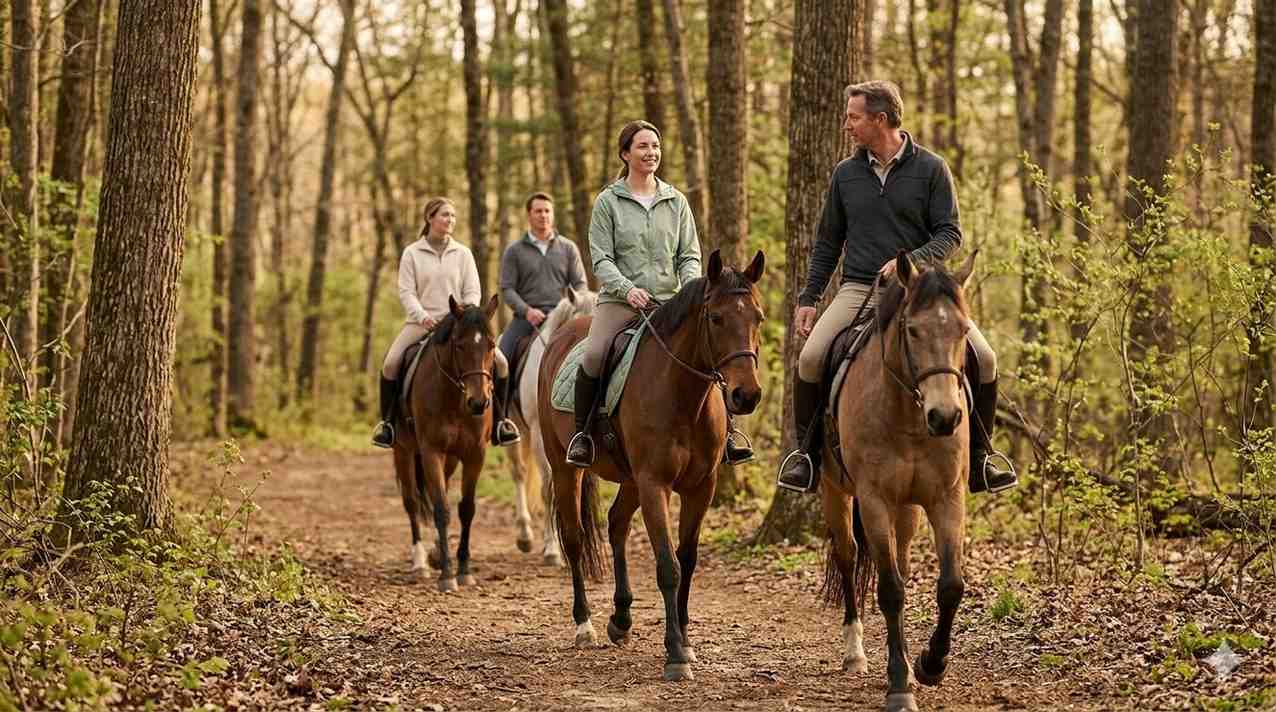
Guided trail rides are typically structured with a "lead" guide at the front and a "drag" guide at the back of the group. The lead guide sets the pace and navigates the trail, while the drag guide ensures no one falls behind and assists with any issues that arise.
You will be instructed to maintain a safe distance between horses, usually about one horse length. This prevents crowding and reduces the risk of horses kicking or biting each other. Guides communicate with the group using hand signals and voice commands, so it's important to pay attention and follow their instructions promptly.
What Safety Briefing Essentials Will You Hear Before Riding?
Safety is the top priority on any guided trail ride. The safety briefing is designed to empower you with the knowledge you need to ride confidently and respond appropriately to your horse.
Why Are Helmet Policies and Clothing Checks Important?
Before you even approach a horse, the staff will conduct a clothing and footwear check. Closed-toe shoes with a small heel are essential; the heel prevents your foot from slipping all the way through the stirrup, which is a critical safety measure.
Helmets are mandatory for minors and highly recommended (if not required) for adults. A properly fitted helmet protects your head in the unlikely event of a fall. Some stables may also offer optional protective gear, such as riding gloves, to prevent blisters from the reins.
What Basic Controls and Signals Should You Know?
You will be taught the basic controls for steering and stopping your horse. This typically involves simple rein handling: pulling gently back to stop, and moving your hands in the direction you want to turn.
Voice cues, such as a soft "whoa" to stop or a clicking sound to encourage the horse to walk, are also commonly used. Understanding these basic signals gives you a sense of control and helps you communicate effectively with your mount.
What Policies Vary Between Stables?
It's important to note that certain policies vary significantly from one stable to another. Weight and age limits are common and are strictly enforced for the welfare of the horses. A typical beginner minimum age might be 6 to 10 years old, depending on the trail's difficulty.
Weather policies also vary; rides may be postponed or canceled due to heavy rain, extreme heat, or high winds. Always confirm these specifics when booking to avoid any surprises on the day of your ride.
What Should You Wear and Bring on a Trail Ride?
Dressing appropriately and bringing the right essentials can make a huge difference in your comfort and enjoyment. Here is a practical guide to what to wear and what to leave behind.
What is the Best Clothing for Horseback Riding?
Long pants are an absolute must, regardless of the weather. They protect your legs from chafing against the saddle and from scratching against brush along the trail. Jeans or specialized riding tights are ideal.
Breathable layers are recommended for your upper body, allowing you to adjust to changing temperatures. Sun protection, such as a long-sleeved shirt and a brimmed hat (worn before and after the ride), is crucial. If rain is in the forecast, bring a lightweight, waterproof shell. Avoid loose scarves, dangling jewelry, or anything that could flap and spook the horse.
Why is Proper Footwear Crucial?
As mentioned during the safety briefing, footwear is critical. You need closed-toe boots with a small, distinct heel (about 1 to 1.5 inches).
Sneakers, sandals, and high heels are not safe for riding. Sneakers lack a heel and can easily slip through the stirrup, while sandals offer no protection for your feet. If you don't own riding boots, a sturdy pair of hiking boots or work boots with a heel will often suffice.
What Essentials Should You Carry?
Keep what you carry to an absolute minimum. Your hands need to be free to hold the reins. Essential items include:
- A small bottle of water (if the stable provides saddlebags)
- Sunscreen (applied before the ride)
- Lip balm
- Your phone or a small camera (secured in a zippered pocket)
- Identification
Avoid wearing backpacks or cross-body bags, as they can bounce and unbalance you or spook the horse.
What is Trail Etiquette and How Do You Leave No Trace?
Riding a horse on public or shared trails comes with a responsibility to interact respectfully with the environment and other trail users.
How Do You Handle Spacing, Passing, and Right-of-Way?
Maintaining proper spacing, about one horse length, is crucial for safety. When encountering other trail users, such as hikers or cyclists, communication is key.
Equestrians generally have the right-of-way, but it's polite and safer to communicate clearly. Let others know you are approaching, and if necessary, ask them to step aside or wait while you pass. On narrow trails, your guide will manage the yielding protocols to ensure everyone's safety.
Why Must You Stay on Marked Paths?
It is vital to stay on marked trails. Straying from the path can cause soil erosion, damage fragile plant life, and disturb wildlife habitats. Shortcuts, especially on switchbacks, are dangerous for the horses and degrade the trail for future users. Always follow the guide's path and resist the urge to wander off.
How Can You Care for Wildlife and the Environment?
When you encounter wildlife, observe quietly from a distance. Do not attempt to approach or feed wild animals.
Pack out any trash you bring with you; never leave wrappers or bottles on the trail. Be mindful of manure, especially near staging areas or parking lots, and follow the stable's guidelines for cleanup if applicable. If your ride involves passing through gates, the guide will handle opening and closing them to ensure livestock or other animals do not escape.
How Do You Choose the Best "Horseback Riding Trails Near Me"?
When you search for "horseback riding trails near me," you will likely find several options. Here is how to evaluate them and choose the one that best fits your needs.
How Do You Match the Ride to Your Experience Level?
Look for rides specifically labeled as "beginner-friendly." These rides typically feature gentle terrain, a slow pace, and calm horses.
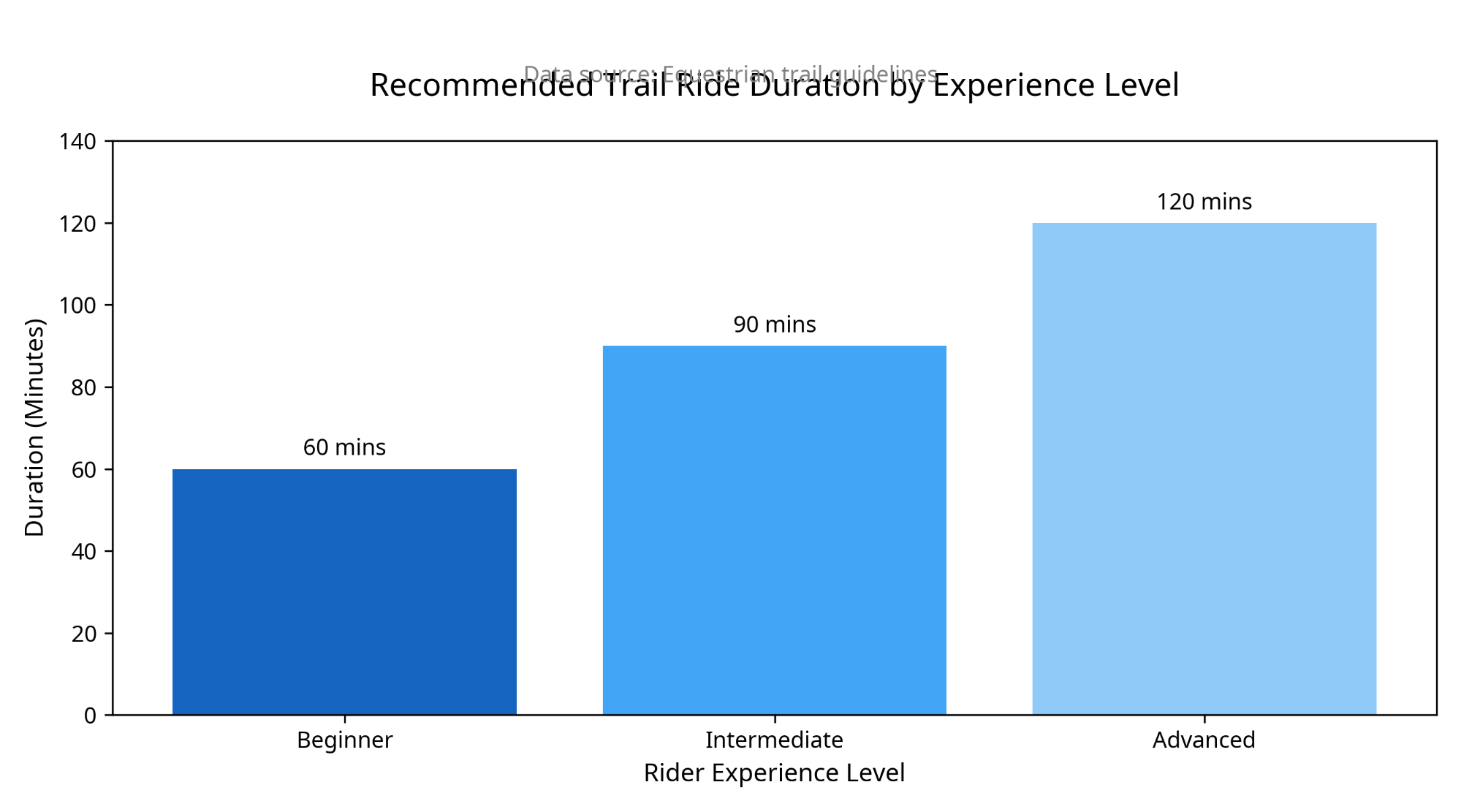
Consider the group size; smaller groups or private rides offer more personalized attention from the guide, which can be reassuring for first-timers. Check the maximum pace allowed, if you are a beginner, you want a ride that is strictly walking.
What Role Do Season, Time of Day, and Scenery Play?
The time of year and the time of day can significantly impact your experience. In the summer, early morning or late evening rides are preferable to avoid the heat of the day.
Consider the scenery you want to experience. Coastal rides offer ocean breezes and beach views, while forest trails provide shade and a sense of seclusion. Desert rides can be stunning, especially at sunrise or sunset, but require careful attention to hydration and sun protection.
How Can You Ensure Comfort After the Ride?
Your experience doesn't end when you dismount. Knowing how to care for yourself after the ride will help you recover and prepare for your next equestrian adventure.
What is a Normal Post-Ride Feel?
If it's your first time riding, it is completely normal to feel some mild fatigue or soreness, particularly in your inner thighs, core, and lower back.
Horseback riding engages muscles you might not use regularly. To minimize stiffness, engage in light walking and gentle stretching within 24 hours of your ride. Drink plenty of water to stay hydrated, as riding is a physical activity, even at a walk.
How Should You Care for Your Gear and Photos?
After the ride, you may be dusty or muddy. Brush off your boots and clothing before getting into your car.
If you took photos during the ride (when it was safe to do so), review them and share your memories responsibly. If you post on social media, consider tagging the stable and leaving a positive review to help other riders find a great experience.
How Can You Build Skills for Your Next Ride?
If you enjoyed your trail ride, you might want to build your skills before your next outing.
You can practice simple balance and core exercises at home. Familiarize yourself with a glossary of equestrian terms, such as the different gaits (walk, trot, canter) and basic tack components. The more you know, the more confident you will feel the next time you saddle up.

The Psychological and Physical Benefits of Trail Riding
Beyond the immediate thrill of the ride, equestrian activities offer profound psychological and physical benefits. Engaging with a horse requires focus, presence, and a calm demeanor, which naturally reduces stress and promotes mindfulness. The rhythmic motion of the horse's walk has been shown to have a soothing effect on the human nervous system, making trail riding an excellent form of active relaxation.
Physically, riding improves core strength, balance, and coordination. Even at a walking pace, the rider must constantly adjust their posture to remain centered over the horse's center of gravity. This continuous, subtle muscle engagement provides a low-impact workout that benefits the back, pelvis, and thighs. For many, the combination of fresh air, physical activity, and animal connection makes trail riding a uniquely restorative experience.
Understanding Horse Behavior on the Trail
To truly appreciate your trail ride, it helps to understand a little about how horses perceive the world. Horses are prey animals, which means they are naturally highly observant and sensitive to their surroundings. Their eyes, located on the sides of their heads, give them nearly 360-degree vision, allowing them to detect movement from almost any angle.
When a horse swivels its ears, it is listening to sounds in that direction. A relaxed horse will have its ears softly forward or slightly to the side, while pinned back ears indicate irritation or fear. Understanding these subtle cues can help you anticipate your horse's reactions. For example, if your horse suddenly stops and stares intently at a rustling bush, they are simply assessing a potential threat. Remaining calm and allowing the guide to handle the situation is the best course of action.
Exploring Different Types of Trail Riding Experiences
Not all trail rides are created equal, and as you gain experience, you might want to explore different types of equestrian adventures.
Sunset and Sunrise Rides
These rides offer spectacular lighting and often cooler temperatures. Wildlife is also more active during these twilight hours, increasing your chances of spotting deer, birds, or other local fauna. The quiet atmosphere of a sunrise or sunset ride provides a deeply peaceful experience.
Beach Rides
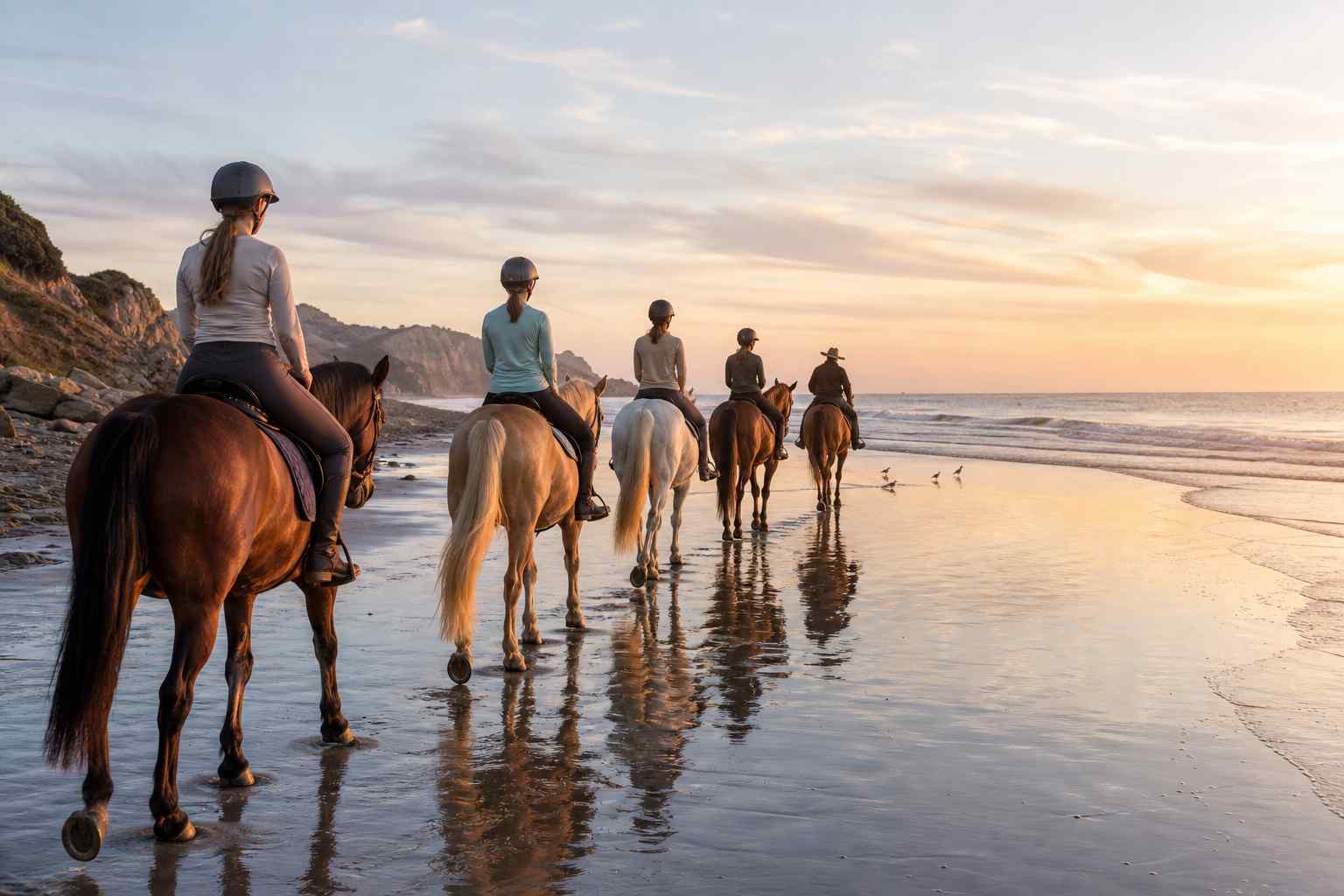
Riding along the shoreline is a dream for many equestrians. The sound of the waves and the expansive views make for an unforgettable experience. However, riding in deep sand requires more effort from the horse, and the changing tides dictate when these rides can take place.
Why You Should Consider Regular Riding Lessons
If your first trail ride sparks a passion for equestrianism, consider taking regular riding lessons.
Lessons in an enclosed arena provide a safe environment to learn more advanced skills, such as trotting, cantering, and refined rein aids. An instructor can correct your posture and help you develop an independent seat, meaning you rely on your balance rather than the reins to stay on the horse. This foundation of skills will make future trail rides even more enjoyable and allow you to tackle more challenging terrain with confidence.
Frequently Asked Questions (FAQ): Horseback Riding Trails Near Me
What should I wear on a horseback riding trail ride?
You should wear long pants (like jeans or riding tights) to prevent chafing, and closed-toe boots with a small heel (1-1.5 inches) to keep your feet secure in the stirrups. Avoid loose clothing, dangling jewelry, and sneakers, as they can be unsafe.
How long is a typical beginner trail ride?
A typical beginner trail ride lasts between 60 and 90 minutes. This duration is long enough to enjoy the scenery and get a feel for riding, but short enough to prevent excessive muscle fatigue for first-time riders.
Do I need prior riding experience?
No prior riding experience is necessary for most beginner-friendly guided trail rides. The stable will match you with a calm, experienced horse and provide a comprehensive safety briefing and basic instruction before you hit the trail.
Are helmets required for trail rides?
Helmets are mandatory for minors at almost all reputable stables and are highly recommended for adults. Even on a slow, guided walk, wearing a properly fitted helmet is a crucial safety measure.
How do I choose safe horseback riding trails near me?
Look for stables with clear safety policies, well-cared-for horses, and positive reviews mentioning knowledgeable guides. Verify they have clear age and weight limits, provide helmets, and offer beginner-specific rides with a walking pace.