Know Before You Book: A Practical Guide To Horseback Trail Riding Near Me
Planning horseback trail riding near me? Learn what to ask, what to wear, safety basics, costs, and how to choose a reputable guide before you book.
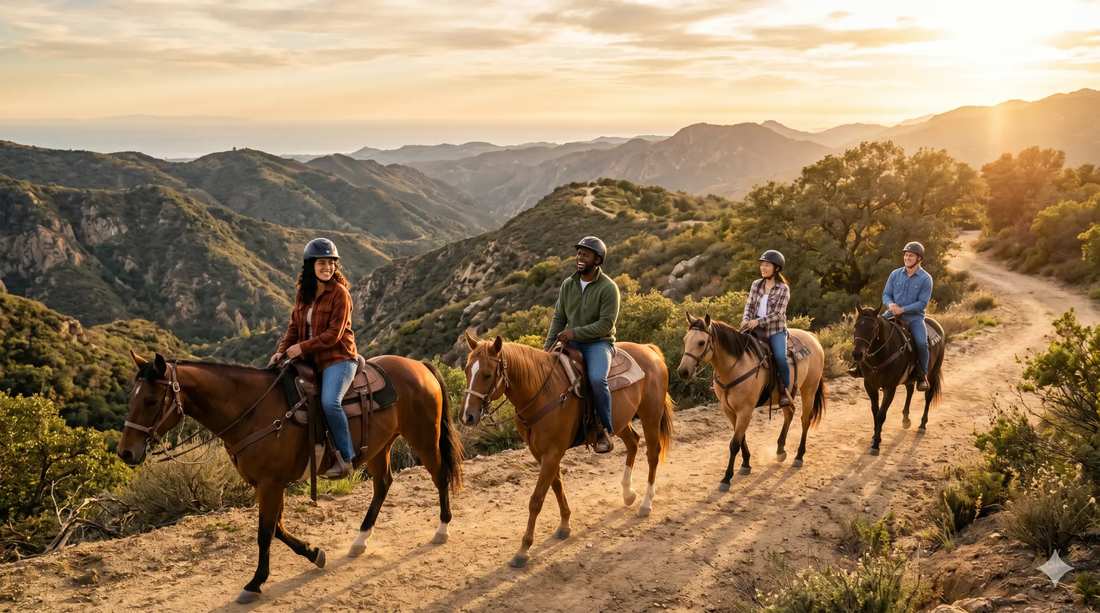
Searching for "horseback trail riding near me" can return a confusing mix of options. Quality, safety, and the overall experience vary widely between providers. You might find everything from nose-to-tail rental horses to dynamic, guided adventures through stunning landscapes. Knowing how to assess providers, prepare for the ride, understand their policies, and anticipate what to expect on the day is crucial for a memorable experience.
This comprehensive guide provides practical checklists, detailed insights, and essential questions to ask so your first ride is safe, comfortable, and highly rewarding. We will walk you through setting your personal riding goals, evaluating local search results, preparing your gear for different seasons, and understanding the ethical considerations of horseback riding. By the end of this article, you will have all the tools you need to book the perfect trail ride with confidence.
Start With Your Ride Goals And Skill Level
Providers design rides for different abilities, terrains, and group types. Matching your skill level and goals with the right provider prevents disappointment and minimizes risk. A first-time rider needs a very different experience than an advanced equestrian looking for a fast-paced adventure across challenging terrain. Understanding your own expectations is the first step toward a successful outing.
Define Your Experience: First-Time Vs. Novice Vs. Returning Rider
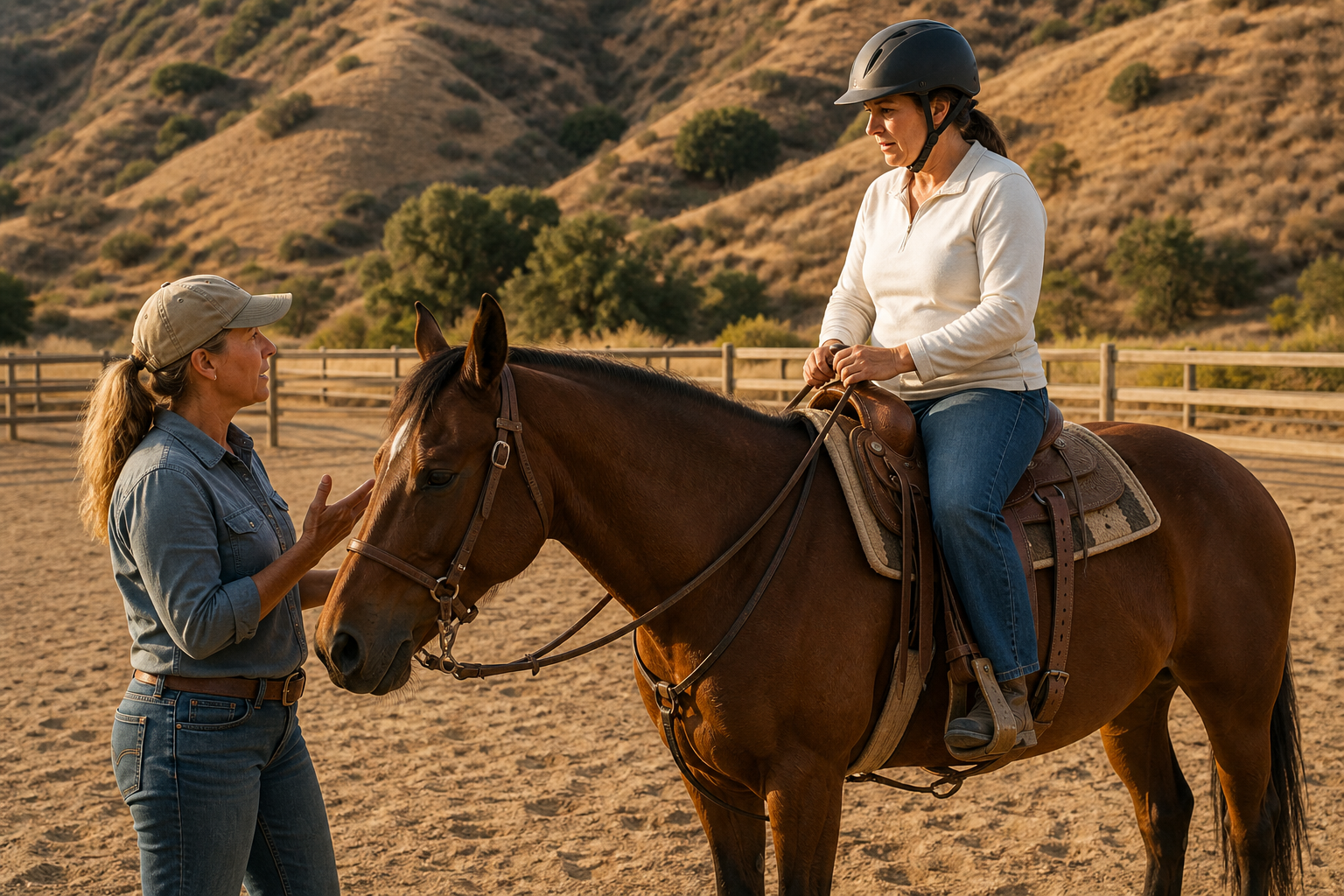
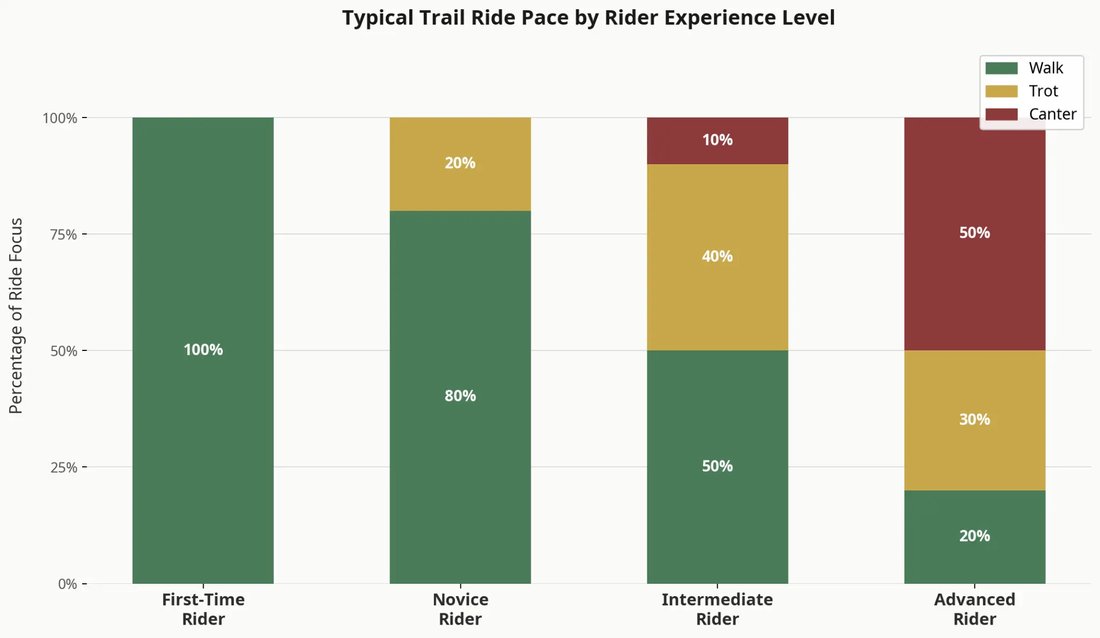
Be completely honest about your experience level. Are you a true beginner who has never been on a horse, or perhaps someone who rode once many years ago? A novice who has ridden a few times on vacation but still feels uncertain? Or a returning rider comfortable with a walk, trot, and canter? Providers like Second Chance Ranch accommodate all skill levels, adapting the pace to walking for beginners, trotting for intermediates, and cantering for advanced riders. Knowing your comfort level helps the guides select the perfect horse and set appropriate pace expectations for the entire group.
Choose The Experience: Scenery, Duration, And Time Of Day
Think about the specific environment you want to explore. Do you envision a peaceful, shaded forest, a rugged mountain trail with panoramic views, or a breathtaking, breezy beach ride? Consider the duration that fits your schedule and physical stamina. A one to two-hour ride is usually perfect for beginners, as riding uses muscles you might not typically engage. Half-day or multi-day horseback riding camping trips appeal to more experienced, adventurous riders.
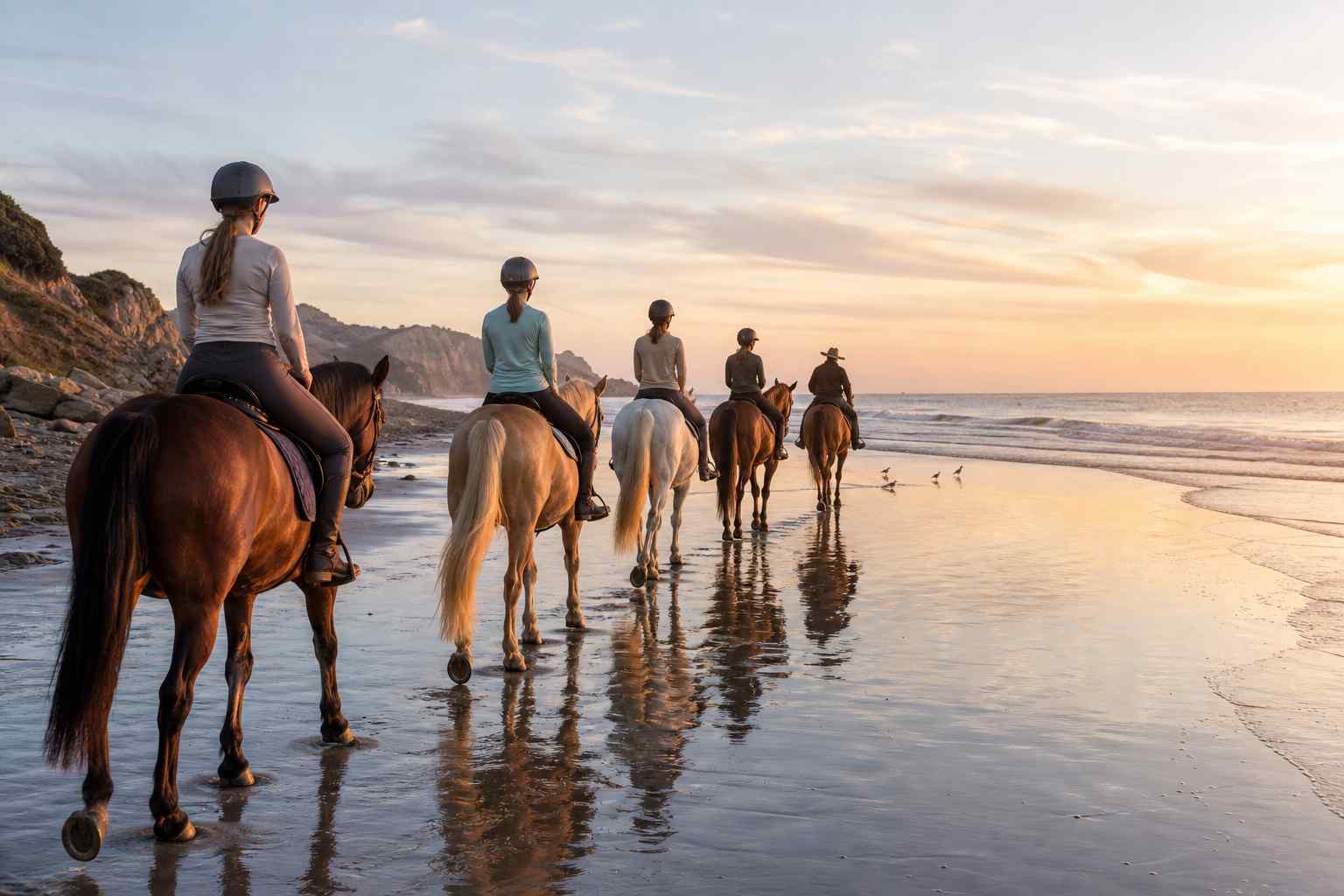
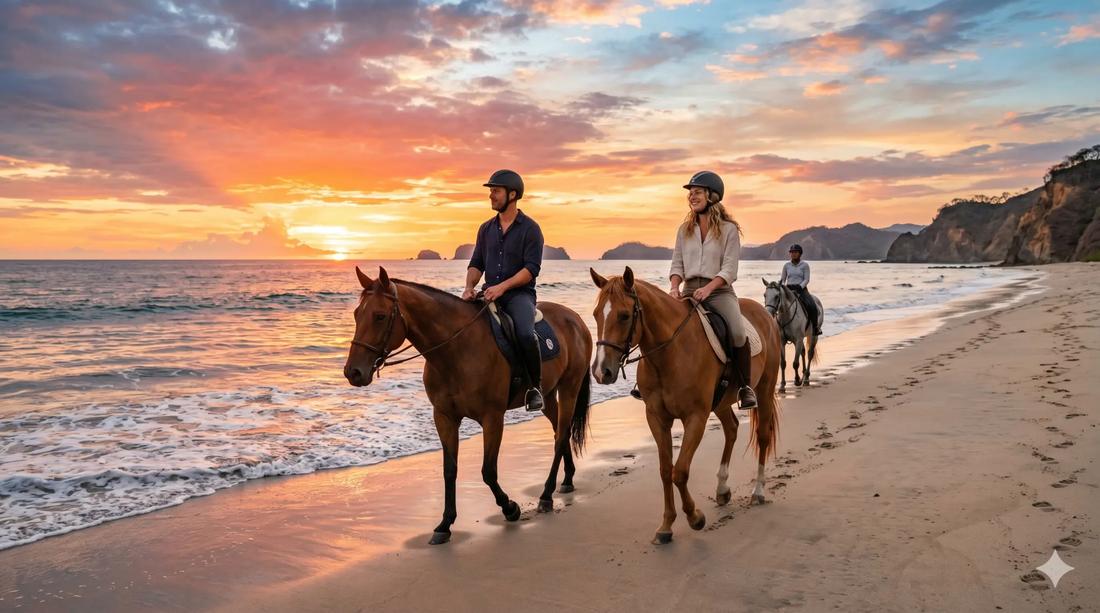
The time of day also significantly impacts the experience; sunset horseback trail rides offer a magical, golden-hour atmosphere perfect for couples, while morning rides often feature cooler temperatures, crisp air, and more active wildlife. Decide if you prefer a social group setting or a private, personalized tour where the guide focuses solely on you.
Age And Group Composition: Families, Kids, And Mixed Skill Levels
If you are riding with a group, consider the ages and abilities of everyone involved. Families with young kids might need specialized horseback riding camps or shorter, gentler trails that keep children engaged without overwhelming them. Multigenerational groups or those with mixed skill levels require a provider who can safely manage different paces within the same ride, ensuring that the advanced riders are not bored and the beginners are not frightened.
Transition: Evaluate Local Options That Provide Your Ideal Ride
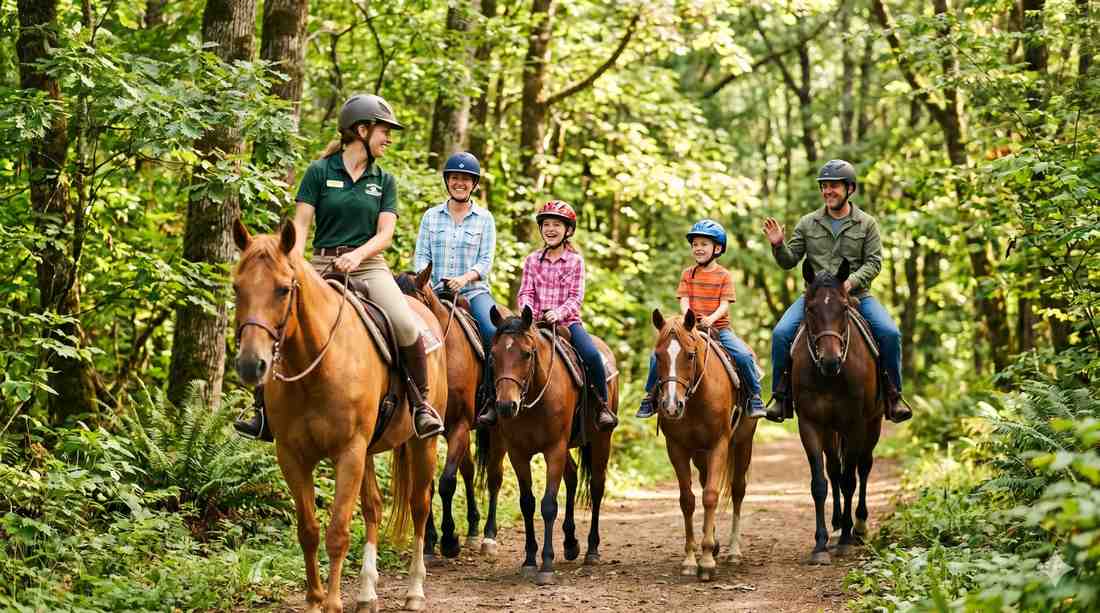
Once you clearly know your ideal ride, it is time to evaluate local options that actually provide it. A short profile-to-ride mapping can help clarify your search. For example, a first-timer with kids might look for a 60 to 90-minute gentle, guided walk-only trail, whereas an experienced solo rider might seek a three-hour advanced mountain trek.
How To Evaluate Local Results When You Search “Horseback Trail Riding Near Me”
When comparing horseback trail riding near me options, use this vetting checklist to turn a generic local search into a shortlist of safe, reputable providers. The internet is full of flashy websites, but you need to look past the marketing to find the substance.
Licenses, Permits, And Insurance
Always ask if the provider holds required land-use permits and general liability coverage. Reputable operators will readily share this information, often displaying it on their websites or at their facilities. Operating without proper permits on public lands is a major red flag; it not only compromises your safety but also indicates a lack of professionalism and respect for local regulations.
Horse Welfare Indicators
A truly good provider prioritizes the health, happiness, and longevity of their animals. Look for clear indicators of horse welfare. Do the horses get regular turnout time in pastures and scheduled rest days? Is their body condition healthy, showing good weight and muscle tone? Does the tack (saddles, bridles) fit properly without causing rubs or sores? Are the horses handled calmly and respectfully by the staff? The facilities should be clean, and the horses must have constant access to fresh water. At Second Chance Ranch, horses like Cash and Spartan are experienced performance mounts, responsive and engaged, not just dull, nose-to-tail rental horses.
Guide Qualifications And Ratios
Your guide is your lifeline and primary source of information on the trail. Inquire about their first-aid training, CPR certification, and general wilderness knowledge. Ask about the rider-to-guide ratio on the trail. A smaller ratio (e.g., one guide for every four to six riders) ensures more personalized attention, better instruction, and a much safer environment, especially for beginners who may need extra help.
Reviews That Matter
When reading online reviews, do not just look at the star rating. Prioritize recent, detailed feedback about safety briefings, how well the staff matched horses to riders, and the actual conditions of the trails. Look for comments that specifically mention the guides' attentiveness, their ability to handle unexpected situations, and the overall well-being of the horses.
Red Flags To Watch Out For
Be extremely wary of hard-sell tactics, visibly overworked or thin horses, or vague, evasive policies. A provider that does not require helmets for minors, lacks a clear safety protocol, or rushes you onto a horse without basic instruction should be avoided entirely. Transparency is key in the equestrian industry; if they will not answer your questions directly, look elsewhere.
Essential Questions To Ask Before You Book
Use these specific questions when narrowing horseback trail riding near me choices. A concise, actionable due-diligence script for calling or messaging providers ensures you get exactly what you expect and eliminates unpleasant surprises on the day of your ride.
Ride Specifics: Pace, Terrain, And Limits
- What is the exact pace of the ride (is it strictly walk-only, or are there opportunities to walk, trot, and canter based on skill)?
- What is the terrain and elevation like? (e.g., navigating the steep mountain trails of Santa Clarita versus cruising along flat beaches).
- What is the maximum group size for this specific ride?
- Are there strict minimum age and weight limits, and how are they enforced?
- Do you provide mounting support, such as a sturdy mounting block or physical assistance from a guide?
Safety Standards: Helmets And Emergency Protocols
- Are ASTM/SEI-certified helmets available in various sizes, and are they strictly required?
- Do you conduct a comprehensive pre-ride safety briefing before anyone gets on a horse?
- What is your specific emergency protocol if an incident occurs on the trail?
- What specific equestrian and safety training do your guides receive before leading groups?
Logistics: Arrival, Parking, And Weather Plans
- What exact time should we arrive to allow for paperwork and fitting?
- Is there adequate, safe parking, and are clean restrooms available on-site?
- Is water provided on the trail, or do we need to bring our own?
- What is your specific weather plan for sudden rain, heavy wildfire smoke, or extreme summer heat?
Policies: Cancellations And Personal Belongings
- What are your detailed rescheduling and cancellation terms?
- What is the exact refund policy if we need to cancel within 48 hours?
- How do you handle late arrivals (e.g., will the group leave without us)?
- What is your policy on taking photos while riding or bringing personal belongings like backpacks?
Accessibility: Adaptive Options And Support
- Do you offer any adaptive options or tack modifications for riders with physical limitations?
- Can your guides support riders with severe anxiety or specific sensory needs during the briefing and the ride?
Safety Standards And Rider Fit: What Good Operators Do
Understanding how safety looks in practice and why fit matters for rider and horse welfare is absolutely essential. Good operators prioritize these elements above all else to ensure a positive, secure experience for everyone involved.
Matching Rider To Horse
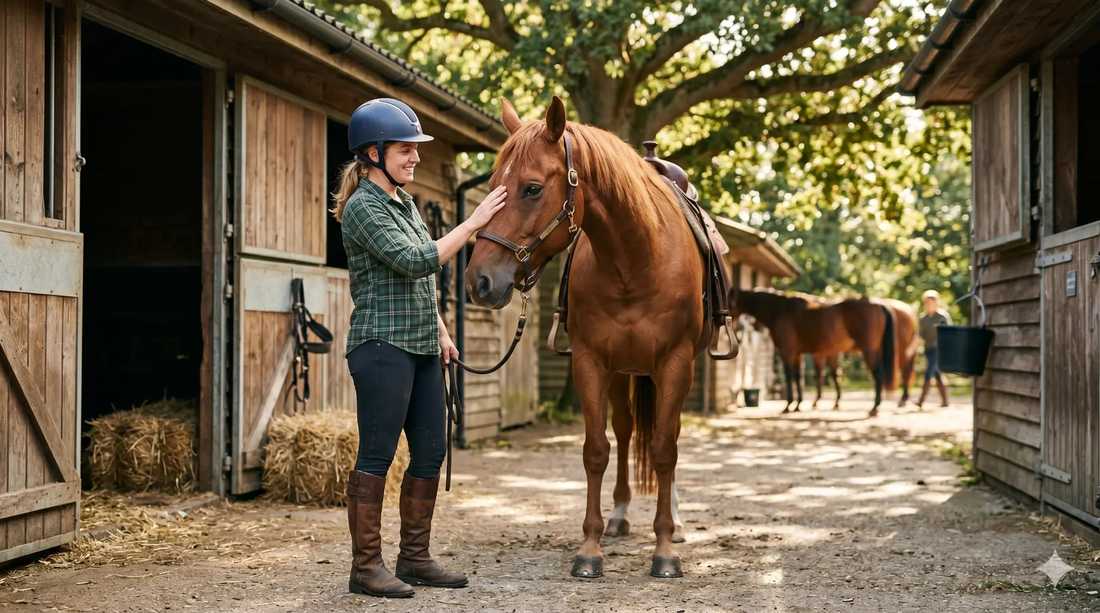
Matching the rider to the horse based on temperament, physical size, and past riding experience significantly reduces incidents and increases enjoyment. A nervous beginner needs a steady, forgiving, confidence-building horse like Poki, who will ignore minor mistakes. Conversely, an experienced rider might enjoy a more forward, sensitive partner like Cajun, who responds to subtle cues.
Helmets And Footwear Requirements
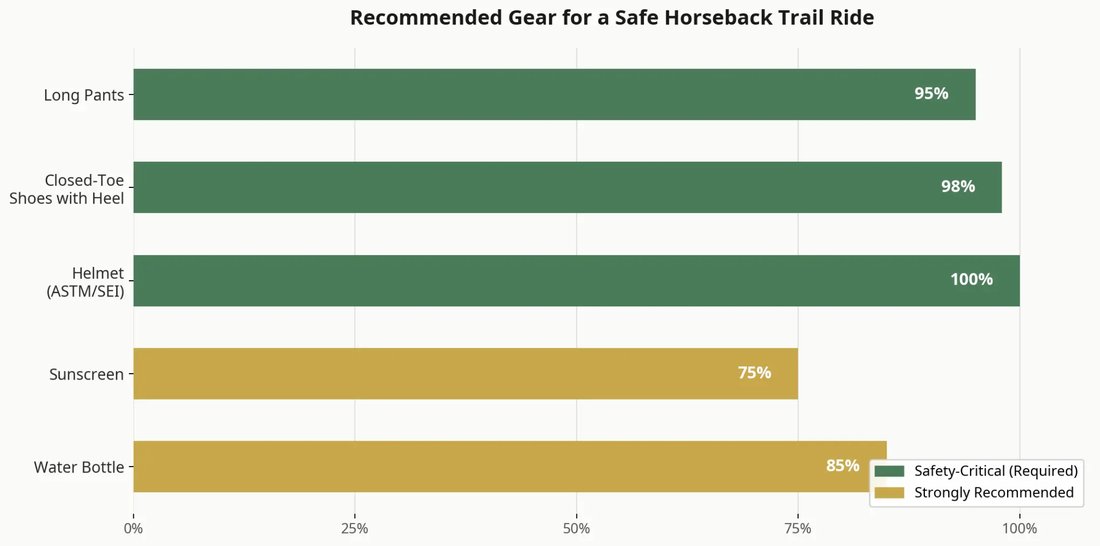
Helmets should be required for minors and strongly recommended for adults. Even the calmest horse can trip. Footwear is equally critical; riders must wear closed-toe shoes with a small, distinct heel (like a cowboy boot or paddock boot) to prevent their feet from accidentally slipping completely through the stirrups, which is a major safety hazard.
Weight And Age Limits Explained
Weight and age limits are not arbitrary rules designed to exclude people; they are based entirely on horse biomechanics and welfare. A horse can generally only carry about 20% of its body weight comfortably. A transparent, respectful screening process ensures the horse is not overburdened, preventing long-term back injuries, and ensuring the rider is safe and balanced.
Briefing And Supervision On The Trail
A thorough pre-ride briefing should clearly cover how to use the mounting block, the required spacing between horses on the trail (usually one horse length), passing etiquette if encountering hikers or bikers, and the specific physical signals for stopping and turning. Constant, vigilant supervision by the guide ensures these rules are followed throughout the journey.
Medical Disclosures
Always proactively disclose medical conditions such as severe allergies (especially to bees or dust), pregnancy, or recent back/knee injuries. The jarring motion of riding can exacerbate certain conditions. Always consult your clinician when unsure if riding is safe for your specific health profile.
What It Really Costs: Pricing, What’s Included, And Common Add-Ons
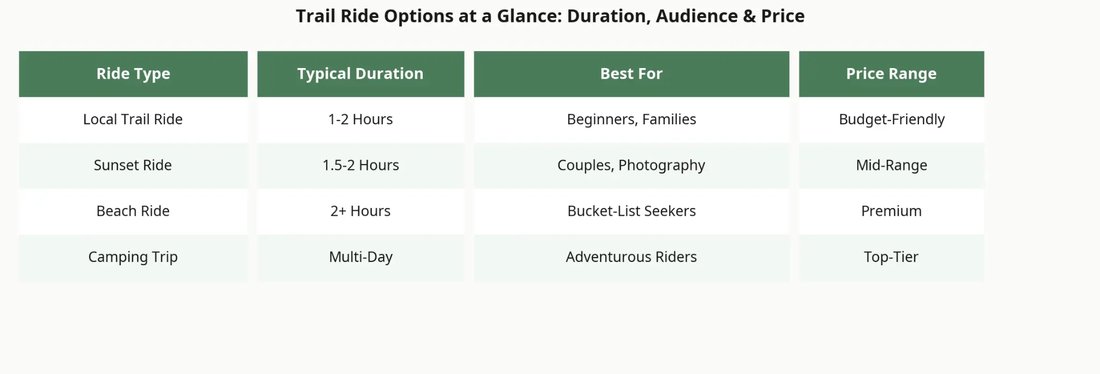
Understanding pricing structures in detail helps you budget appropriately and avoid frustrating surprises when it is time to pay. Prices for trail rides generally vary between a lower and upper range, heavily dependent on the specific location, the exclusivity of the ride, and the total duration.
Base Inclusions Vs. What Is Not Included
A standard, base fee usually covers the guided ride itself, the use of a carefully matched horse, and the rental of an approved helmet. However, gratuities for your hardworking guide and any required state or national park entry fees are typically not included in the base price and should be factored into your budget.
Variables That Affect Price
Prices fluctuate based on several key variables. Booking private rides, requesting small, exclusive groups, riding during peak holiday seasons, exploring specialty terrain like beach horseback riding at Rincon Beach, and opting for extended durations will naturally increase the overall cost. Special promotional offers, like a Father's Day Special Local Trail Ride, can provide excellent discounts, but remember that these change seasonally and often book up quickly.
Policies And Fees
Be acutely aware of policies regarding upfront deposits, the specific windows for late arrivals or cancellations, and the strict rules for rescheduling. Read the fine print carefully to understand any potential extra fees, such as credit card processing charges or penalties for no-shows.
Transparent Comparison
When reading price pages across different websites, do not just blindly chase the lowest number. Extremely low prices might unfortunately come at the direct expense of safety standards, guide wages, or crucial horse welfare (such as skipping veterinary care or overworking the animals). Look for genuine value and a demonstrated commitment to quality and safety.
What To Wear And Bring For A Comfortable Ride
A highly practical packing and attire guide, specifically tailored to the season and the expected terrain, ensures your day runs smoothly and you remain comfortable from start to finish.
Core Attire For Safety And Comfort
The core, non-negotiable attire includes long, seamless pants (like jeans or riding breeches) to prevent painful chafing against the saddle. Wear fitted layers that will not flap violently in the wind and spook the horse. As mentioned, closed-toe shoes with a small heel are mandatory. Absolutely avoid long scarves, loose crossbody bags, or anything dangling that could get caught on branches or the saddle horn.
Seasonal Tips For Outdoor Riding
Sun protection (a brimmed hat for before/after the ride, sunscreen) and strong bug repellent are absolutely essential in the summer, along with light, breathable fabrics. In the winter or during early morning rides, wear insulating thermal layers and warm, flexible gloves to keep your hands functional while holding the leather reins.
Essentials To Pack
Bring plenty of water (preferably in a reusable bottle that fits in a saddlebag), extra sunscreen, a secured phone (in a zipped pocket), a small, non-messy snack if the provider allows it, your physical ID, and any urgently needed medications like an EpiPen or inhaler.
What To Leave Behind
Leave behind bulky umbrellas, noisy or dangling jewelry, and large, unsecured cameras. These items can be highly distracting, easily dropped, or genuinely dangerous if they cause a horse to spook on a narrow trail.
Family Notes On Gear
Ensure that kids have a specific, snug helmet fit—a loose helmet is useless. Pay attention to their layering, as children often get cold or hot faster than adults. Their physical comfort is the key to a successful, whine-free family ride.
What To Expect On The Day
Reduce your anxiety and uncertainty with a clear, chronological preview of exactly what the experience will look like from the moment you park your car.
Arrival And Check-In
Plan to arrive 20 to 30 minutes early unless otherwise specified by the outfitter. This crucial buffer allows ample time for finding parking, completing necessary liability paperwork, signing waivers, using the restroom, and allowing the staff to make a quick, in-person assessment of your actual riding experience and physical size.
Orientation And Mounting
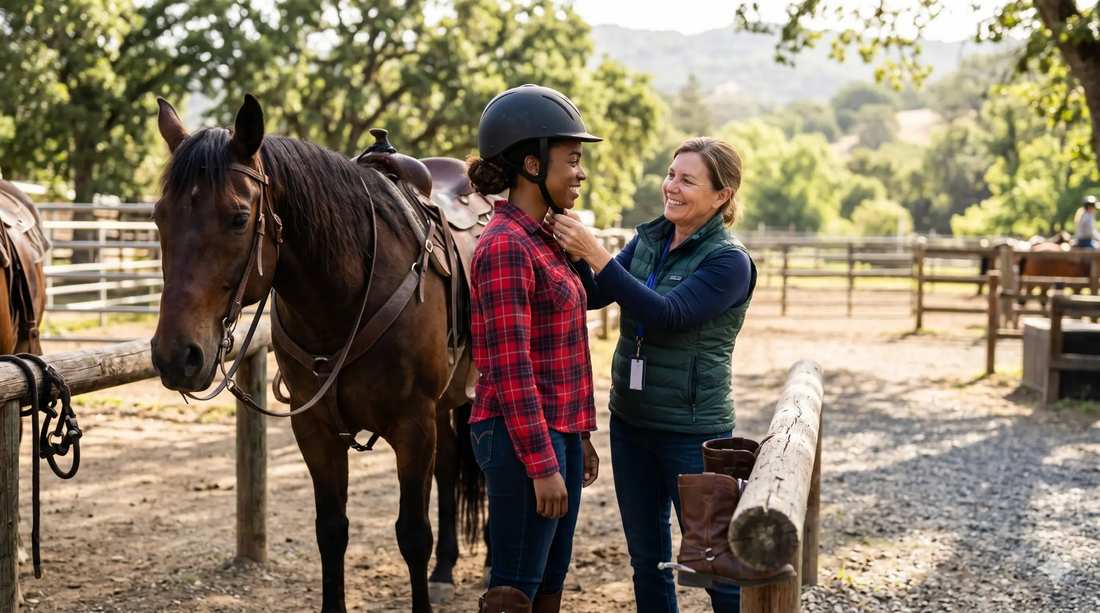
The formal orientation includes a professional helmet fitting to ensure safety standards are met. You will then proceed to mounting, usually with the assistance of a mounting block and a guide holding the horse steady. The guide will teach you basic cues (how to steer, stop, and go), explain the required trail spacing, and demonstrate hand signals.
On-Trail Flow
Once you are actually on the trail, the lead guide sets the appropriate pace for the group. You will practice passing etiquette when encountering other trail users, take designated water or scenic photo stops, and rely on the guide to expertly handle any minor issues that arise, such as a horse wanting to stop and eat grass.
Return And Wrap-Up
After the ride concludes, you will be guided back to the starting point to safely dismount. You will return your borrowed gear, have a chance to wash your hands, and perhaps review professional photos if the outfitter offers that service.
Social Norms And Gratuity
Gratuity expectations vary slightly by region, but tipping your guide is a very standard practice for excellent, safe service in the outdoor recreation industry. If you are unsure of the appropriate amount, simply ask the provider in advance when booking.
Accessibility, Inclusivity, And Ethical Considerations
When actively browsing horseback trail riding near me, make sure to include accessibility and ethics in your final decision criteria. Encourage informed, responsible participation that actively supports long-term horse welfare and the preservation of public lands.
Accessibility Accommodations
Do not hesitate to ask specifically about accommodations such as adaptive tack (specialized saddles or reins), mounting ramps for wheelchair users, and sensory-friendly, quiet briefings. Progressive providers should strive to make the joy of riding accessible to as many people as safely possible.
Ethics And Horse Welfare
Highly ethical providers ensure strictly appropriate workloads for their horses, legally mandate recovery days, use meticulously fit tack, and employ soft, positive-reinforcement training methods. The physical and mental well-being of the horse should always come before profit.
Environmental Stewardship
Responsible riding includes carefully selecting appropriate trails in wet seasons to prevent severe soil erosion, actively managing manure at the trailhead, and strictly adhering to designated routes to protect fragile local flora and fauna.
Community Impact
Respectful behavior around other trail users (like yielding to hikers) and local wildlife minimizes noise pollution and litter, ensuring these beautiful trails remain open and welcoming for everyone in the community for years to come.
Conclusion
Defining your ideal ride, thoroughly vetting local options, asking precise questions, preparing your gear smartly, and riding responsibly are the ultimate keys to a successful, memorable equestrian adventure. Choose your experiences based on proper fit, rigorous safety standards, and exemplary animal welfare, not only geographic proximity, so the memories you make truly match the stunning scenery. Whether you are exploring the rugged mountains of Santa Clarita, the unique geological formations of Vasquez Rocks, or the breathtaking coastline at Rincon Beach, booking with a reputable provider like Second Chance Ranch guarantees an unforgettable, safe journey. Save the provided checklists for your next local search and share them with your entire group before booking your next adventure.
Frequently Asked Questions
Is Horseback Trail Riding Safe For Beginners?
Yes, horseback trail riding is remarkably safe for beginners when you choose a reputable, licensed provider. Guided rides offer constant, professional supervision, and the pace is strictly controlled, usually kept to a gentle walk, to ensure everyone feels completely secure and comfortable in the saddle. For those wanting more foundational knowledge, exploring horsemanship clinics beforehand can be beneficial.
What Should I Wear For A Horseback Trail Ride In Summer Vs. Winter?
In the heat of summer, wear long, seamless pants, breathable, moisture-wicking fabrics, and closed-toe shoes, along with heavy sunscreen and bug repellent. In the cold of winter, opt for insulating thermal layers, a warm, windproof jacket, flexible riding gloves, and closed-toe boots to protect against the chill while maintaining grip.
How Early Should I Arrive For A Guided Trail Ride?
You should consistently arrive 20 to 30 minutes early unless otherwise specified by the outfitter. This gives you ample, stress-free time to complete required paperwork, get properly fitted for a safety helmet, and receive the mandatory pre-ride safety briefing without rushing.
Why Do Stables Have Weight And Age Limits?
Weight and age limits are strictly enforced to protect the delicate biomechanics and overall welfare of the horses. These limits ensure the horse is not carrying more weight than its skeletal structure can safely handle and that young riders possess the necessary physical strength and attention span to maintain balance.
Can I Ride If I’m Pregnant Or Have A Recent Injury?
It is generally strongly advised against riding if you are pregnant or recovering from a recent physical injury due to the physical demands, the jarring motion, and the inherent, unpredictable risks of working with live animals. Always consult your primary clinician before booking a ride.
Do I Need Riding Experience To Book A Private Ride?
No, you absolutely do not need prior experience to book a private ride. In fact, private rides can be tailored entirely to your specific skill level, making them an excellent, low-stress option for nervous beginners who want dedicated, one-on-one guidance from an expert.
What Happens If It Rains On The Day Of My Ride?
Policies vary significantly between outfitters, but most reputable providers will happily reschedule your ride or offer a full refund if severe weather, like heavy rain, high winds, or lightning, makes the trail conditions unsafe for horses and riders. Always check the provider's specific weather policy beforehand.
Are Helmets Required For Adults? For Kids?
Helmets are almost universally required by law or insurance for children and minors. While some providers may legally allow adults to opt out by signing a specific waiver, wearing an ASTM/SEI-certified equestrian helmet is always strongly recommended for riders of all ages and experience levels.
Can I Bring My Phone Or Camera On The Trail?
Yes, you usually can, but it must be securely stored in a zippered pocket or a secure saddlebag provided by the outfitter. Unsecured items can easily fall, get lost in the brush, or suddenly spook the horses if dropped.
What’s Normal Tipping Etiquette For Guides In My Area?
While tipping etiquette varies slightly by region, generally, a tip of 15% to 20% of the total ride cost is highly customary to show your appreciation for a knowledgeable, attentive, and hard-working guide who kept you safe.