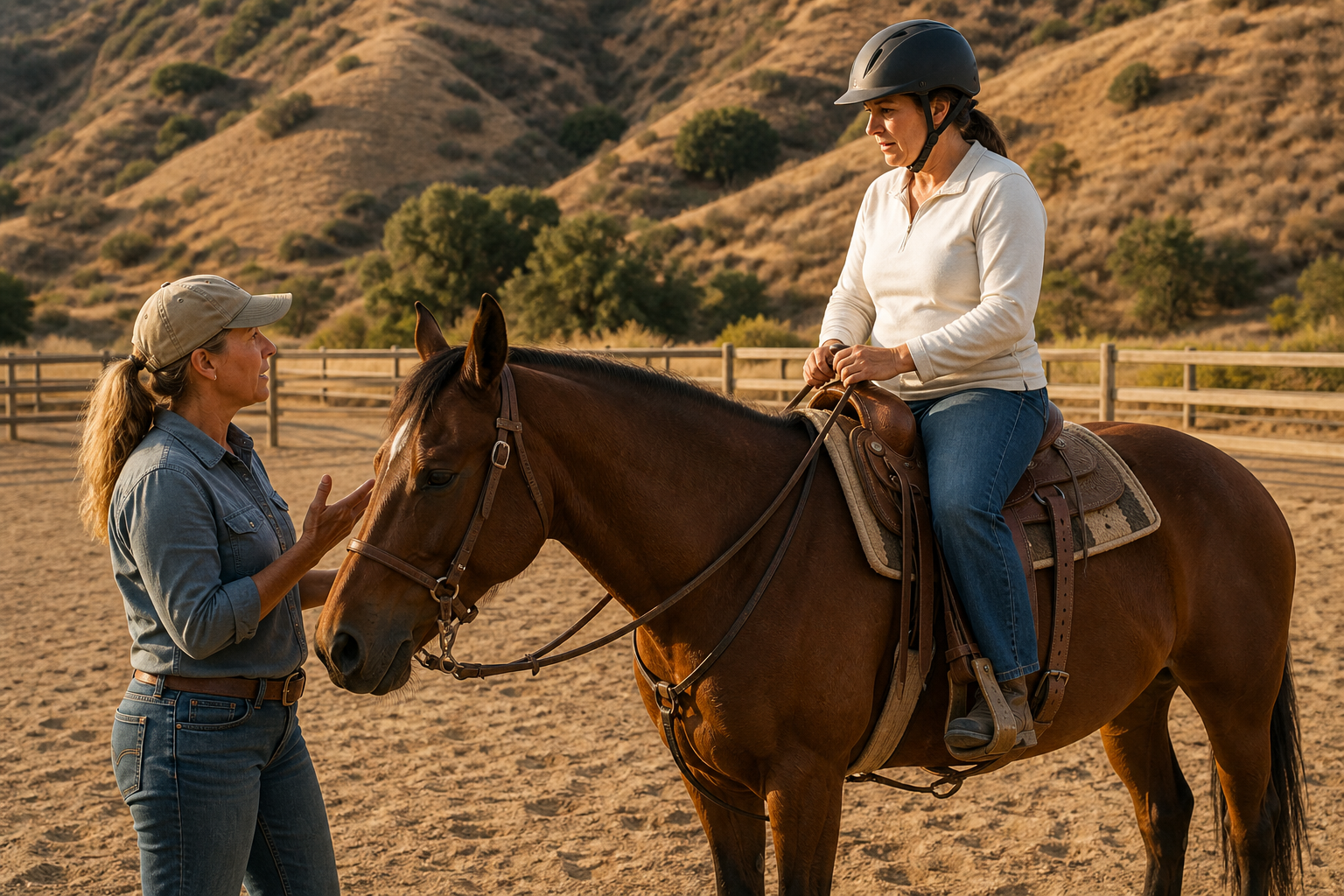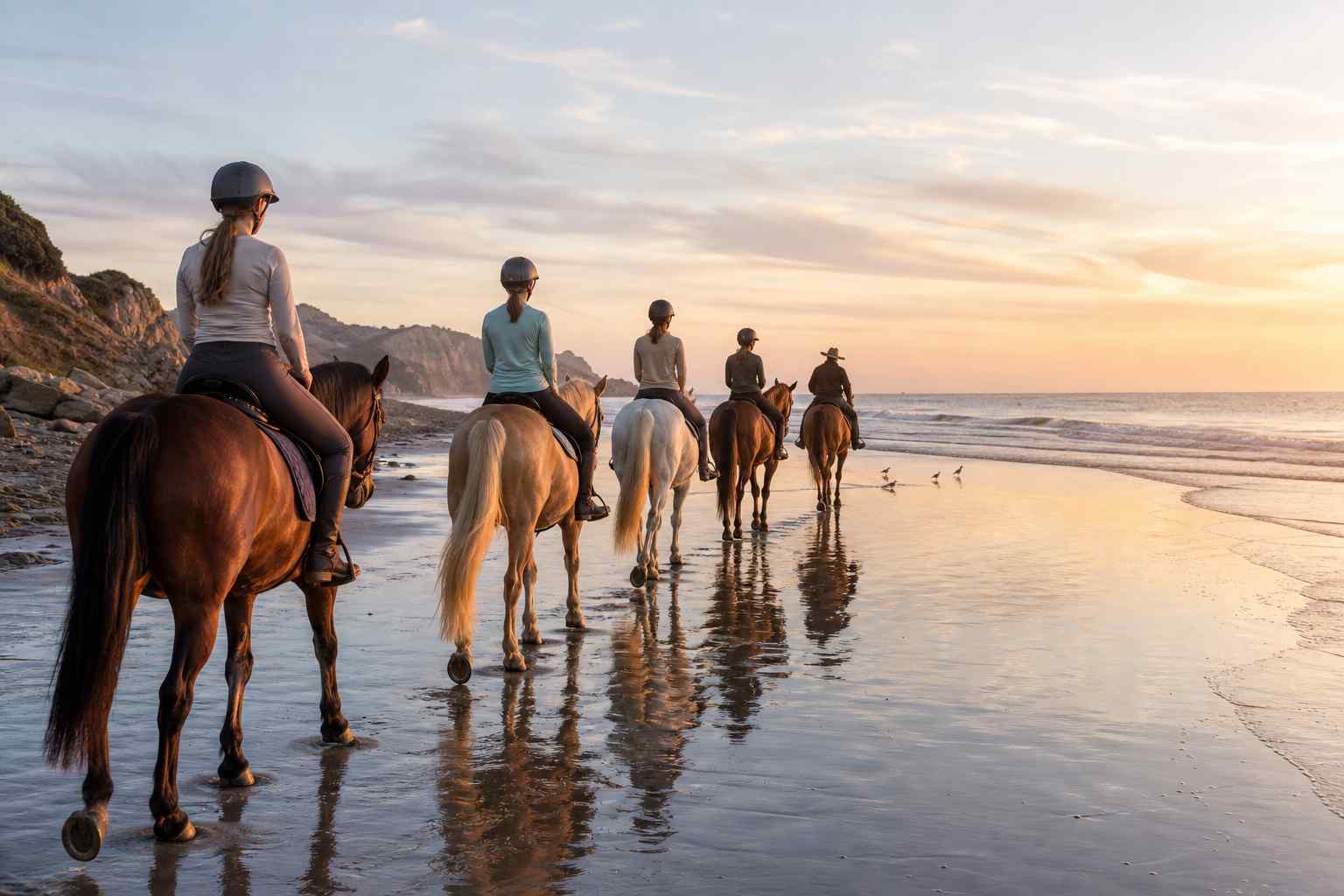
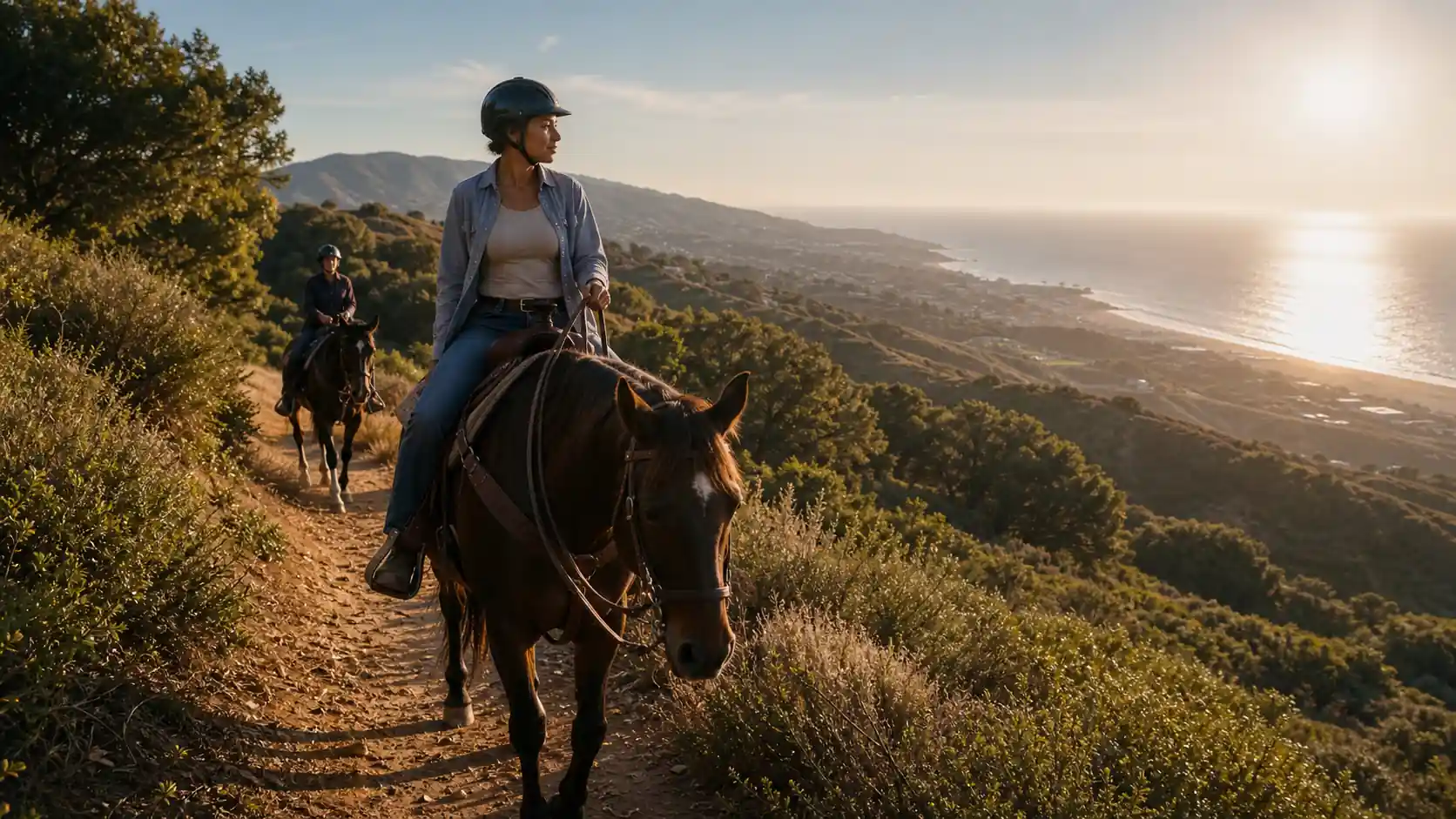
When people think of Southern California, they often picture crowded freeways and bustling beaches. What they rarely picture is a rider moving quietly through coastal chaparral as the Pacific Ocean comes into view just beyond the next ridgeline. Yet that experience is entirely real and accessible to anyone willing to plan ahead. Horseback riding in Los Angeles offers a year-round opportunity to explore the Santa Monica Mountains and surrounding coastal canyons in a way that no hike or drive can replicate. The rhythm of the horse, the smell of sage in the morning air, and the perspective gained from the saddle create a connection to the landscape that is both grounding and memorable.
This guide focuses on the trail experiences commonly accessed through ranches in the Topanga to Malibu corridor, including the trail network near Second Chance Ranch. Whether you are a first-time rider curious about what to expect or a returning rider planning a sunset outing, this resource will walk you through everything you need to know: the terrain, the ride types, how to prepare, when to go, and how to get there. Understanding each of these elements before you arrive is the difference between a stressful experience and a truly great one.
Why Los Angeles Is Made for Trail Riding
The geography of the Santa Monica Mountains is what makes this region so uniquely suited to trail riding. Coastal canyons cut through the range from north to south, creating natural corridors that riders can follow from shaded canyon floors up to open ridgelines with sweeping views of the Pacific. The chaparral ecosystem, with its dense shrubs, native oaks, and seasonal wildflowers, provides a backdrop that changes with every season and every hour of the day. This is not a flat, featureless landscape. It is dynamic, layered, and full of detail that rewards the attentive rider.
What distinguishes trail riding in Los Angeles from a standard arena lesson is the immersive quality of the experience. In an arena, you are focused on technique and repetition. On the trail, you are focused on your surroundings, your horse's responses to the terrain, and the quiet satisfaction of moving through nature at a walking pace. The guided horseback trail rides in this area are designed to be accessible to beginners while still offering enough variety and scenery to satisfy experienced riders.
What Are the Typical Terrains and Wildlife Sightings on Los Angeles Trails?
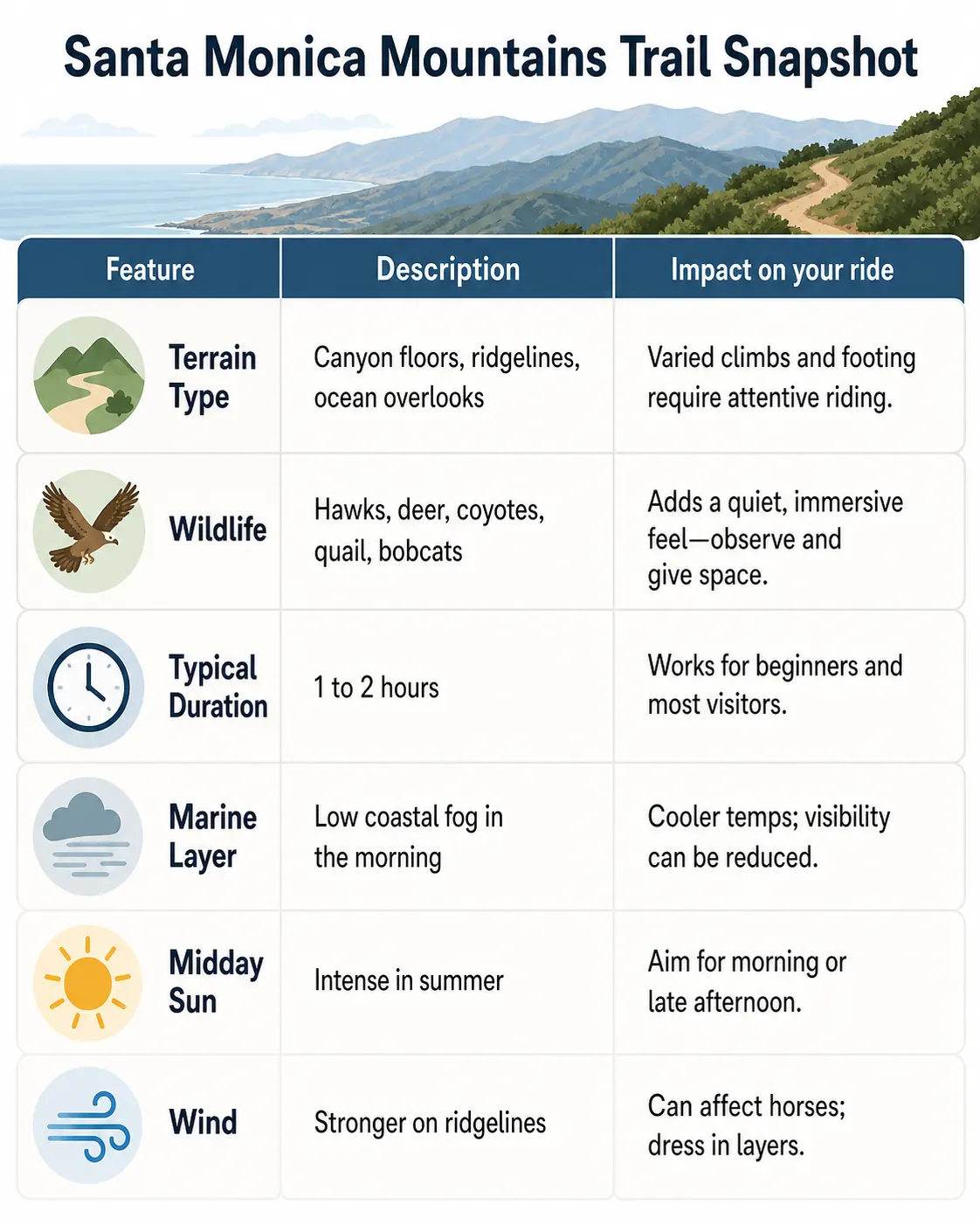
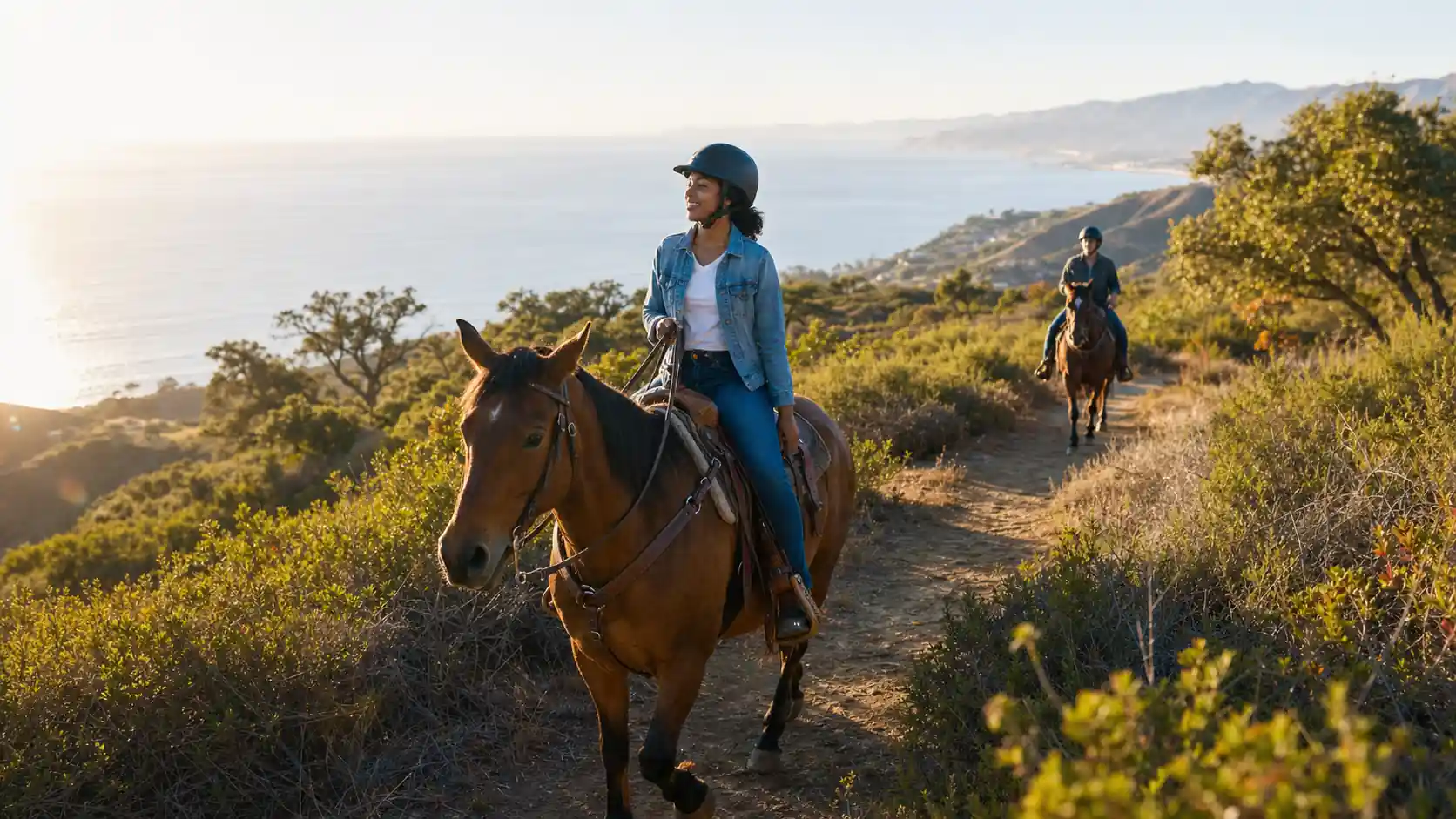
The terrain in this region is genuinely varied. Canyon floors offer soft, shaded footing and a sense of enclosure that many riders find calming. As the trail ascends, the vegetation opens up and the views expand. Ridgeline trails can expose riders to ocean breezes and panoramic views that stretch from the mountains to the coast. The footing shifts from packed dirt to rocky sections, and the elevation changes are gradual enough to be manageable for most riders.
Wildlife sightings are a consistent highlight of riding in the Santa Monica Mountains. Red-tailed hawks are almost always visible, circling on thermals above the canyon walls. Mule deer are frequently spotted in the early morning and late afternoon, grazing in the brush just off the trail. Coyotes are present throughout the range and are often seen trotting along the ridgelines. On occasion, riders may spot a California quail, a roadrunner, or even a bobcat moving through the scrub. These sightings are a reminder that the Santa Monica Mountains support a rich and functioning ecosystem, and that riding through it is a privilege that comes with a responsibility to leave no trace.
How Long Are the Rides and What Is the Difficulty Level?
Most guided trail rides in this region last between one and two hours, making them accessible for visitors and locals alike. The difficulty is generally calibrated to accommodate beginners, though the elevation changes and trail conditions do require riders to be attentive and balanced. Guides structure the pace to match the group, keeping things comfortable and safe throughout.
Weather plays a significant role in your comfort. The coastal marine layer, which is the low fog that rolls in from the Pacific, can affect visibility and keep temperatures cool well into the morning. Midday sun can be intense, particularly in summer. Wind can pick up on the ridgelines, affecting both rider comfort and horse behavior. Understanding these variables and planning around them is an important part of preparing for a trail ride in Los Angeles.
Spotlight on the Santa Monica Mountains Backbone Trail Corridor
The trail network near Topanga and Malibu is among the most scenic and well-maintained in Southern California. This corridor, which includes routes adjacent to Second Chance Ranch, is characterized by its intimate scale and its dramatic transitions between canyon shade and open ridgeline exposure. Riders who have explored trails in other parts of the country often remark on how quickly the landscape shifts here, from dense coastal sage scrub to open grassland to views of the Pacific, all within a single ride.
The National Park Service manages a significant portion of the Santa Monica Mountains National Recreation Area, and the trail standards reflect that stewardship. Shared-use trails require riders, hikers, and cyclists to coexist respectfully, which is why guided rides in this area maintain a conservative pace and a strong emphasis on etiquette.
Where Can You Find the Best Ocean and Mountain Views?
The panoramas in this region are genuinely spectacular. As the trail ascends from the canyon floor, the views open progressively, revealing the Santa Monica Bay, the Channel Islands on clear days, and the ridgelines of the Transverse Ranges to the north. Guides typically structure breaks at the best scenic points, allowing riders to rest their horses, take photos, and simply absorb the view. These moments are often the ones that riders remember most vividly long after the ride is over.
What Should You Know About Sunset and Moonlight Rides?
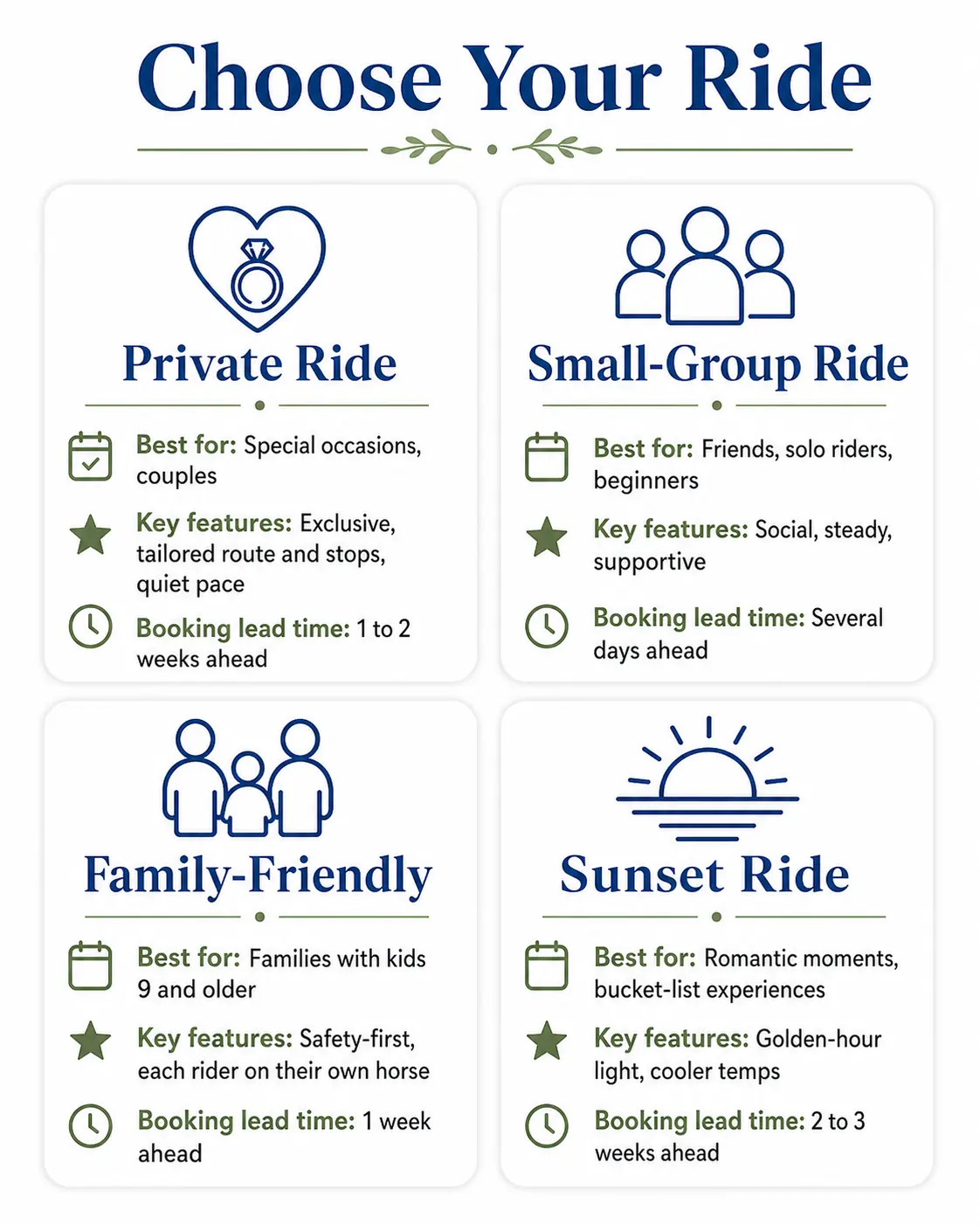
For a truly memorable experience, a sunset horseback trail ride in the Santa Monica Mountains is difficult to surpass. The golden hour light transforms the landscape, casting long shadows across the chaparral and turning the ocean a deep amber. Temperatures drop pleasantly as the sun descends, making the late afternoon one of the most comfortable times to ride in summer.
Riding in twilight requires a different level of awareness. Visibility decreases as the light fades, and the pace is kept conservative to ensure safety on the shared-use trails. Horses are well-adapted to low-light conditions and will often feel more relaxed in the cooler evening air. On permitted nights, moonlight rides offer a rare and extraordinary perspective of the landscape, illuminated by starlight and the glow of the full moon. Availability for these rides is limited, so booking well in advance is essential.
How Does Group Size Affect Your Trail Riding Experience?
The size of your group shapes the entire tone of the ride. Small-group rides are social, steady, and designed to be supportive of riders at all experience levels. They are a great option for friends, couples, or solo riders who want to share the experience with others. The guide can address the needs of multiple riders while maintaining a safe and enjoyable pace for everyone.
Private rides offer a fundamentally different experience. With only your party on the trail, the guide can tailor the route, the pace, and the stops to your specific preferences. Private rides are quieter, more focused, and better suited to special occasions where the experience itself is the gift. For more information on the full range of available experiences, visit the trail rides overview page.
Choosing the Right Ride Type for Your Group
Selecting the appropriate ride format is one of the most important decisions you will make when planning your horseback riding adventure in Los Angeles. The right choice depends on the size of your group, the experience levels of the riders, the occasion, and what you hope to get out of the experience.
When Should You Choose a Private Ride Over a Small-Group Ride?
Private rides are the right choice when the experience needs to be tailored to a specific moment or person. Anniversaries, birthday celebrations, marriage proposals, and memorial rides all benefit from the exclusivity and quiet that a private ride provides. Without other guests, the guide can focus entirely on your group, adjust the route based on your preferences, and allow for longer stops at scenic points.
Small-group rides, by contrast, are excellent for those who enjoy a social atmosphere and the energy of sharing an experience with others. These rides are typically steady and very supportive of beginners, making them a popular choice for first-time riders. The group dynamic also provides a natural sense of accountability, as riders tend to stay focused and attentive when they are part of a shared experience.
What Are the Considerations for Family-Friendly Trail Rides?
When planning a family outing, age minimums and rider readiness are the two most critical factors. Most outfitters have a minimum age requirement, typically around 9 years old, though this can vary. It is essential to confirm the specific age rules with the outfitter before booking. Children who meet the age requirement must be capable of riding their own horse independently and following the guide's instructions throughout the ride.
Riding double, meaning two people on one horse, is strictly prohibited. It is unsafe for both riders and for the horse, and no reputable outfitter will allow it. Children must be prepared to manage their own horse with guidance from the trail guide.
Western tack is standard on trail rides in this region. The Western saddle's deep seat and prominent horn provide a more secure and stable platform for beginners, which is particularly reassuring for young riders and those who are nervous. If you are curious about the differences between Western and English riding styles, the trail riding tips for beginners guide offers a helpful breakdown.
When to Ride: Seasons, Weather, and Time of Day
Los Angeles enjoys a Mediterranean climate with mild temperatures year-round, but that does not mean every time of day or every season is equally well-suited to trail riding. Planning your ride around the weather and the season is one of the most effective ways to ensure a comfortable and enjoyable experience.
What Is the Best Strategy for Summer Trail Riding in Los Angeles?
During the summer months, the midday heat can be intense for both riders and horses. Temperatures in the canyons can climb well above 90 degrees Fahrenheit by early afternoon, making a midday ride genuinely uncomfortable. The best strategy is to book your ride for the early morning or late afternoon. Morning rides, typically starting before 10 a.m., benefit from the lingering marine layer, which keeps temperatures cool and the light soft. Late afternoon rides, starting around 4 or 5 p.m., offer beautiful lighting as the sun begins to lower and the heat of the day dissipates.
Hydration is critical in summer. Bring more water than you think you will need, and apply sunscreen before you arrive. Even on cloudy days, UV exposure at elevation can be significant.
Why Are Winter and Shoulder Seasons Ideal for Horseback Riding?
The shoulder seasons, specifically spring and fall, and the winter months offer some of the best riding conditions in the Santa Monica Mountains. The air is crisp and clear, the marine layer is less persistent, and the views are often sharper and more dramatic than in summer. These seasons also offer wider time windows for riding, as the midday heat is not a concern. Spring brings wildflowers to the chaparral, adding a layer of color to the landscape that summer cannot match.
Winter rides have a particular quality of stillness and clarity that experienced riders often prefer. The trails are less crowded, the horses are more energetic in the cool air, and the light has a quality that photographers and artists have long associated with the California coast in the colder months.
How Does Timing Affect Sunset Horseback Riding in Los Angeles?
Sunset rides require careful timing that shifts with the seasons. In summer, sunset occurs later in the evening, meaning a sunset ride might depart around 6 or 7 p.m. In winter, sunset can come as early as 4:30 p.m., which means the ride departs much earlier in the afternoon. Always confirm the departure time with the outfitter based on the current season.
The temperature can drop quickly as the sun sets, especially near the coast. Bringing a light jacket or layer is strongly recommended. As noted earlier, visibility will decrease as the light fades, so riders must be comfortable trusting their horse and guide in lower light conditions.
SeasonBest Time of DayConditionsNotesSummerEarly morning or late afternoonHot midday, marine layer in morningHydration and sunscreen essentialFallMorning through early afternoonCrisp air, clear skiesExcellent visibility, wider time windowsWinterMidday to early afternoonCool, clear, less crowdedEarly sunset; confirm departure timesSpringMorning through middayMild temps, wildflowers in bloomPopular season; book well in advance
What to Wear and Bring for a Safe, Comfortable Ride
Proper attire is not simply a matter of comfort. It is a critical component of trail safety. Wearing the wrong clothing or footwear can create genuine hazards for both the rider and the horse. Following the dress code ensures you are protected from the saddle, the brush, and the elements.
What Clothing and Footwear Are Required for Trail Riding?
Long pants are mandatory on all trail rides. They protect your legs from the friction of the saddle and from any brush along the trail. Jeans are the most common choice and are well-suited to the Western saddle. Sturdy leggings or riding tights are also acceptable. Avoid shorts, skirts, or any loose-fitting lower garments.
For footwear, closed-toe shoes are required without exception. Athletic shoes with a flat or slightly heeled sole are ideal. Boots with a small heel are even better, as the heel prevents the foot from slipping through the stirrup. Sandals, flip-flops, heels, and open-toe shoes are entirely unsafe and will prevent you from participating in the ride.
Are Helmets Required for Adults and Children?
Helmets are a non-negotiable safety requirement for all riders under the age of 18. Most outfitters provide certified equestrian helmets for minors who do not have their own. While adults may sometimes have the option to ride without a helmet, wearing one is strongly recommended for all riders regardless of experience level. Falls from horses can result in serious head injuries, and a helmet is the single most effective piece of protective equipment available.
What Items Should You Carry on the Trail?
Keep what you carry to an absolute minimum. Bring water in a secured bottle, your ID, and a phone stored in a zippered pocket. Avoid wearing loose jewelry, large hats that can blow off, or carrying loose bags and backpacks. These items can shift unexpectedly and spook the horses.
Phones and cameras should only be used when the ride has come to a full stop and the guide has given explicit permission. Taking photos while the horse is moving requires you to drop the reins and lose focus on your horse, which is unsafe for you and disruptive to the other riders in the group. For a complete pre-ride checklist, the practical guide to horseback trail riding near me is an excellent resource.
Quick Reference: What to Wear and Bring
CategoryRecommendedNot AllowedBottomsLong pants, jeans, riding tightsShorts, skirts, loose garmentsFootwearClosed-toe athletic shoes, boots with heelSandals, flip-flops, heels, open-toe shoesHead ProtectionEquestrian helmet (required for minors)Large floppy hats, unsecured headwearAccessoriesSecured sunglasses, light jacketLoose jewelry, large bags, backpacksCarry ItemsWater, ID, secured phoneLoose cameras, open containers
Trail Etiquette and Safety Essentials
Riding in the Santa Monica Mountains means sharing the trails with hikers, cyclists, and wildlife. Practicing proper trail etiquette is not just a courtesy; it is a safety imperative. Horses are large, powerful animals that respond to their environment, and understanding how to ride responsibly protects everyone on the trail.
Why Is Following Guide Instructions Crucial on the Trail?
Your guide is the most important safety resource you have on the trail. They know the terrain, the horses, and the conditions. Following their instructions regarding spacing, pace, and riding formation is essential. Most trails in this area require single-file riding, which means maintaining a safe following distance from the horse in front of you. Horses that feel crowded can kick out, and a kick from a horse can cause serious injury.
Speed control is equally important. The pace is set to accommodate the terrain and the least experienced rider in the group. Attempting to push your horse faster than the group pace is dangerous and disruptive. If you are an experienced rider looking for a more dynamic experience, communicate that to the guide before the ride begins so they can plan accordingly. The horseback riding etiquette checklist is a helpful resource for understanding expectations before you arrive.
How Should Riders Interact with Wildlife and Other Trail Users?
When encountering wildlife, the rule is to observe quietly and leave no trace. Respect the habitat and always stay on the designated trail. Sudden movements or loud noises can startle both the wildlife and the horses, so keeping a calm, steady demeanor is important.
When passing hikers or cyclists, verbal communication is key. A friendly greeting lets other trail users know you are approaching and helps keep the horses calm. Cyclists in particular can startle horses because they move quickly and silently. Slowing to a walk and speaking calmly as cyclists pass is standard practice on shared-use trails in the Santa Monica Mountains.
What Is the Policy on Substances and Riding?
Horseback riding requires balance, focus, and coordination. Riding under the influence of alcohol or any substance that impairs judgment is strictly prohibited. Outfitters reserve the right to refuse service to anyone who appears impaired, and this policy is enforced without exception. Most outfitters also require adult riders to present a valid ID at check-in.
Getting There and Planning Logistics
Los Angeles traffic is notoriously unpredictable, and the canyons of the Santa Monica Mountains can be particularly slow on weekends and during peak commute hours. Planning your route and arrival time carefully is essential for a stress-free start to your adventure.
How Accessible Are the Trails from Major Los Angeles Areas?
The trails in the Topanga and Malibu corridor are accessible from several major routes. The Pacific Coast Highway (PCH) provides coastal access from Santa Monica and Malibu, while the 101 freeway connects riders coming from the San Fernando Valley, Calabasas, and Thousand Oaks. Cell service can be spotty in the canyons, so it is strongly recommended to save your directions offline before you leave home.
Second Chance Ranch also offers rides at Vasquez Rocks and Placerita Canyon, which are accessible from the 14 freeway and are closer to the Santa Clarita Valley. These locations offer a different landscape, with the dramatic sandstone formations of Vasquez Rocks providing a striking and iconic backdrop for a trail ride. For riders coming from the northern San Fernando Valley or Antelope Valley, these locations may be more convenient than the coastal corridor.
What Should You Know About Parking and Arrival?
Plan to arrive at least 15 minutes before your scheduled ride time. A quiet, unhurried arrival helps maintain a calm environment for the horses. When walking around the ranch property or parking areas, move slowly and keep children supervised at all times. Horses can be startled by sudden movements, loud noises, or unfamiliar objects. Slamming car doors, running children, and loud music are all things to avoid near the barn and paddock areas.
Why Is Booking Ahead Important for Trail Rides?
Reservations are essential for any trail ride in Los Angeles. Same-day bookings are rarely available, particularly during the busy summer months or for popular time slots like sunset. Booking several days or even weeks in advance ensures you secure your preferred time, ride type, and group size.
Be sure to read the outfitter's cancellation and reschedule policies before booking, as they vary and are strictly enforced. Weather-related cancellations are handled differently from voluntary cancellations, and understanding the policy in advance prevents misunderstandings. The refund and cancellation policy page provides the specific terms for Second Chance Ranch.
For those who ride frequently, a horseback riding membership may offer a more convenient and cost-effective way to enjoy regular access to the trails.
Make It a Day: Thoughtful Post-Ride Plans
After your ride, the surrounding area offers plenty of low-key, local ways to extend your experience. The Santa Monica Mountains and the coastal communities nearby are rich in natural beauty and outdoor activity, and a trail ride pairs naturally with a number of complementary experiences.
Where Are the Best Coastal Stops and Scenic Pullouts?
If you are riding near the coast, consider stopping at one of the many beaches or scenic overlooks along PCH after your ride. Zuma Beach, El Matador State Beach, and the various pullouts along the Malibu coast offer stunning views and a relaxed atmosphere. Pack a change of shoes if you plan to visit local restaurants or walk along the beach, as riding boots are not ideal for sandy terrain.
For a more structured outing, a picnic at one of the many trailhead parks in the Santa Monica Mountains is a wonderful way to decompress after a ride. Remember to clean up after yourself and leave no trace at trailheads and picnic areas. The National Park Service guidelines for the Santa Monica Mountains National Recreation Area ask all visitors to pack out what they pack in.
What Other Outdoor Activities Complement a Trail Ride?
The Santa Monica Mountains offer numerous complementary outdoor activities that pair well with a morning or afternoon trail ride. The Topanga State Park trail system offers excellent hiking, and the Malibu Creek State Park has a variety of routes suitable for all fitness levels. The Santa Monica Mountains Conservancy operates several nature centers where visitors can learn more about the local flora and fauna they encountered from the saddle.
For families, combining a trail ride with a visit to one of the area's nature centers can transform a single activity into a full day of outdoor education. If you are interested in deepening your connection with horses beyond a single trail ride, the horsemanship clinics offered by Second Chance Ranch provide a more structured learning environment.
How Can You Practice Good Photo Etiquette in the Area?
While capturing memories is part of the fun, be mindful of where photos are appropriate. The canyons of the Santa Monica Mountains are home to many full-time residents, and the roads through Topanga and Malibu pass through private property. Respect the privacy of local residents and observe quiet hours in residential areas. Always clean up after yourself and leave no trace at trailheads and picnic areas.
For those interested in capturing the horses themselves, the meet the horses page offers a wonderful introduction to the individual personalities of the Second Chance Ranch herd, which can help you identify your horse during the ride and appreciate the unique character each animal brings to the experience.
Conclusion
Horseback riding in Los Angeles offers a rare combination of coastal and mountain scenery, accessible ride formats for all experience levels, and year-round opportunities for those willing to plan thoughtfully. The Santa Monica Mountains provide a landscape that is genuinely extraordinary, and experiencing it from the saddle adds a dimension that no other outdoor activity can replicate. By choosing the right ride type for your group, timing your visit to avoid the midday heat, dressing appropriately, and arriving prepared with an understanding of trail etiquette and safety, you can ensure that your experience is both memorable and responsible.
Whether you are a local seeking a weekend escape from the city or a visitor who wants to see Southern California from a perspective most tourists never discover, the trails near the Topanga to Malibu corridor are waiting. Prioritize safety, respect the shared-use trail environment, and trust your guide. The rest will take care of itself.
To explore upcoming rides, check availability, and learn more about the horses and locations, visit the booking calendar or browse the full range of horseback riding adventures available through Second Chance Ranch.
Frequently Asked Questions
What Is the Minimum Age to Ride on Los Angeles Trail Rides?
The minimum age requirement is typically around 9 years old, though this can vary by outfitter and ride type. It is important to confirm the specific age rules when you book your ride. Children must be capable of riding their own horse independently and following the guide's instructions throughout the ride.
Are Helmets Required for Adults and Children?
Helmets are strictly required for all riders under the age of 18. Most outfitters provide certified equestrian helmets for minors. While adults may have the option to decline, wearing a helmet is strongly recommended for all riders, regardless of experience level. Falls from horses can result in serious head injuries, and a helmet is the most effective protective measure available.
Can Two People Ride the Same Horse?
No. Riding double is unsafe and is not permitted on any guided trail ride. Every rider must be on their own horse and capable of following the guide's instructions independently. This policy protects both the riders and the welfare of the horses.
What Should I Wear for a Trail Ride in the Santa Monica Mountains?
You must wear long pants, such as jeans or riding tights, and closed-toe shoes with a flat or slightly heeled sole. Avoid sandals, heels, shorts, and loose-fitting clothing. Secure any sunglasses and avoid large hats that could blow off. For a complete breakdown of what to bring, the practical trail riding guide is an excellent resource.
Do Rides Go Out in Light Rain or Wind?
Outfitters monitor weather conditions closely. While rides may proceed in very light mist, they will be canceled or rescheduled in the event of heavy rain, high winds, or unsafe trail conditions. Always check the weather forecast and the outfitter's weather policy before your ride. Specific cancellation terms are outlined in the refund and cancellation policy.
Are Sunset or Moonlight Rides Offered Year-Round?
Sunset rides are generally offered year-round, though departure times shift with the seasons. Moonlight rides are typically scheduled around the full moon and may require special permits, so availability is more limited. Booking well in advance is essential for both.
Can I Bring My Phone or Camera on the Ride?
Yes, but it must be stored securely in a zippered pocket. You may only take photos when the ride is completely stopped and the guide has given permission. Using your phone while the horse is moving is unsafe and is not permitted.
Are There Weight Limits for Riders?
Yes. For the health and safety of the horses, outfitters enforce weight limits. This limit is typically in the range of 200 to 250 pounds, but the exact limit varies by ranch and by individual horse. Always confirm the weight limit with the outfitter prior to booking.
What Wildlife Might I See on These Trails?
The Santa Monica Mountains support a diverse range of wildlife. Riders frequently spot red-tailed hawks, mule deer, California quail, and coyotes. Bobcats and roadrunners are also present in the region, though less commonly seen. For a deeper look at the animals and landscape of the area, the beginner's guide to trail riding adventures near Los Angeles provides helpful context.
Are Dogs Allowed at the Ranch or on the Trail?
No. For the safety of the horses and the riders, outside dogs are not permitted on the ranch property or on the trail rides. This policy is strictly enforced and applies to all guests.