Trail Rides on Horseback: Confidence, Safety, and a Meaningful Gift
Planning trail rides horseback? Learn safety basics, ease fear, enjoy nature, and turn a guided ride into a thoughtful gift for birthdays and holidays.
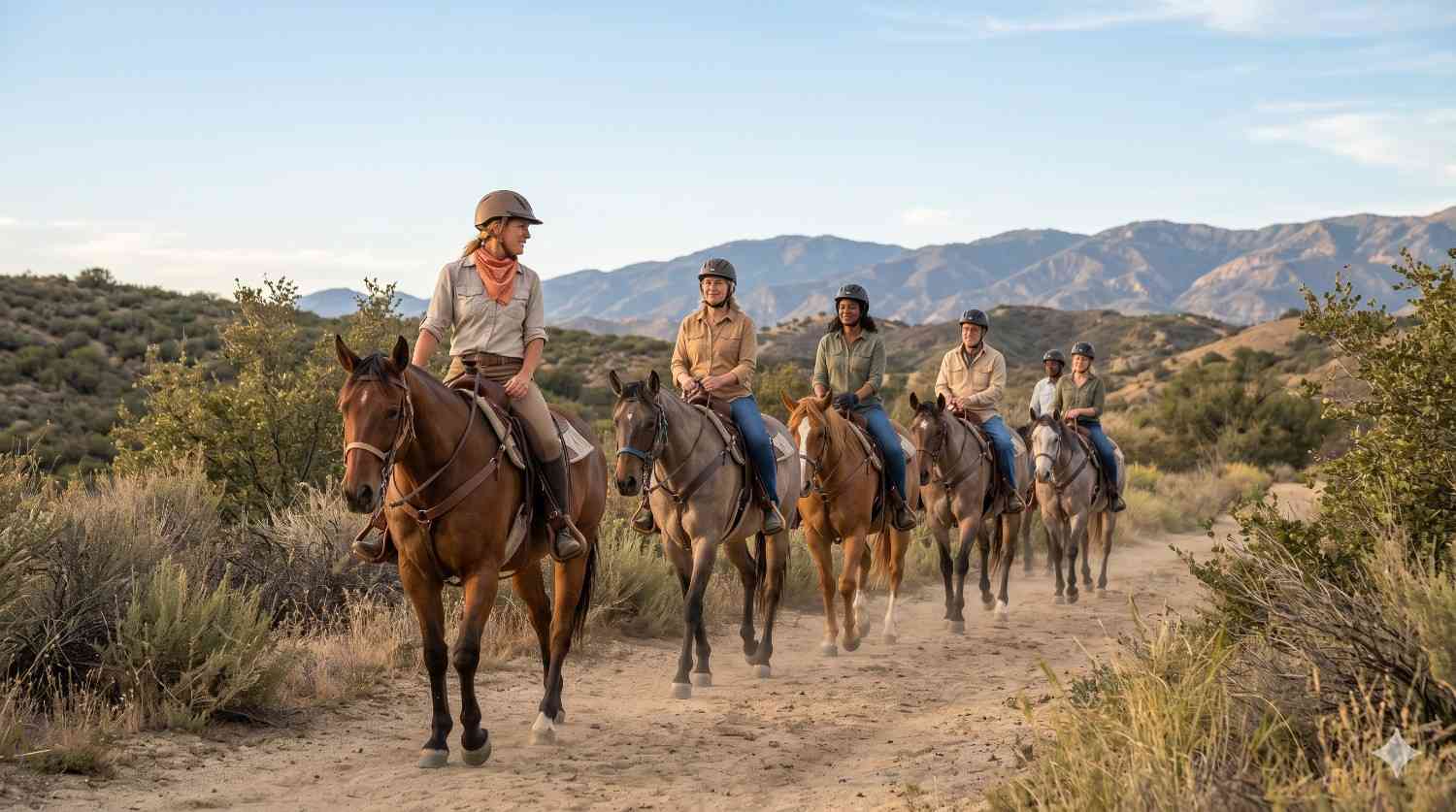
If you are considering trail rides horseback for the first time, you are stepping into an experience that blends the tranquility of nature with the steady, reassuring presence of a well-trained animal. Whether you are seeking a peaceful escape from the bustling city life of Los Angeles, looking to conquer a lifelong fear of horses, or searching for a truly unforgettable gift, a guided trail ride offers a unique and accessible adventure. The appeal lies in the quiet trails, the gentle rhythm of the horse, and the expert guidance that ensures every rider feels secure and supported.
In this comprehensive guide, you will learn everything you need to know about planning and enjoying your first horseback trail ride. We will explore the safety foundations that protect riders, the mindset techniques that ease anxiety, and the practical steps to prepare for your outing. Additionally, we will delve into how to choose the perfect ride, such as those offered in the Mountains of Santa Clarita, Vasquez Rocks, or Rincon Beach, and how to present a trail ride as a thoughtful and meaningful gift. By understanding what to expect from the mounting block to the cool-down, you can approach your adventure with confidence and excitement.
What Are The Best Ways To Overcome Anxiety Before Trail Rides Horseback For Beginners?
Guided trail rides provide a structured, calm environment and predictable routines that are incredibly effective at helping nervous riders. For many first-timers, common fears include the height of the horse, unpredictability, falling, and a perceived lack of control. A professional trail riding experience is specifically designed to mitigate these concerns. The environment is low-pressure, the pace is typically a gentle walk, and the mounts are carefully selected for their calm and steady temperaments. The focus is entirely on enjoying the scenery and the connection with the animal, rather than mastering complex riding skills.
The structure of a guided ride significantly reduces the cognitive load on a beginner. Clear instructions are provided before and during the ride, the horses know their jobs, and the routes are familiar and well-maintained. This predictability allows riders to relax and trust the process. Research indicates that exposure to natural environments can reduce cortisol levels, a primary stress hormone, with significant drops observed after just 20 to 30 minutes in nature. Furthermore, literature on equine-assisted activities highlights the profound benefits of interacting with horses for anxiety management, as the rhythmic movement and required focus promote mindfulness and emotional regulation.

What Safety Gear And Etiquette Should I Know For Guided Trail Rides Horseback?
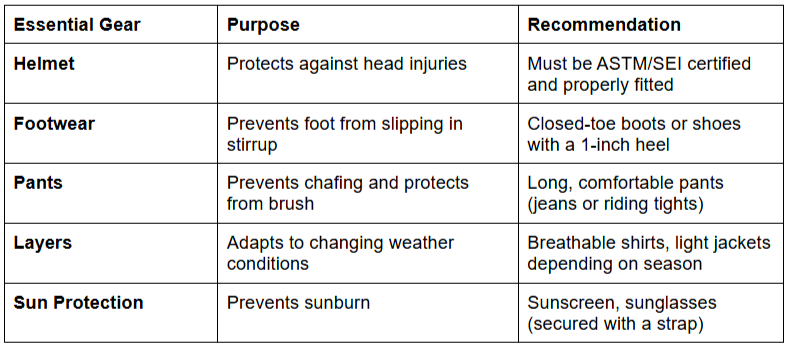
Safety is the absolute foundation of any reputable horseback riding experience. The most critical piece of equipment is a properly fitted helmet that meets recognized safety standards, such as those set by the American Society for Testing and Materials and the Safety Equipment Institute. Statistics show that wearing a certified helmet reduces the risk of serious head and brain injury by up to 85%. A snug fit is essential; the helmet should sit level on the head and not rock back and forth.
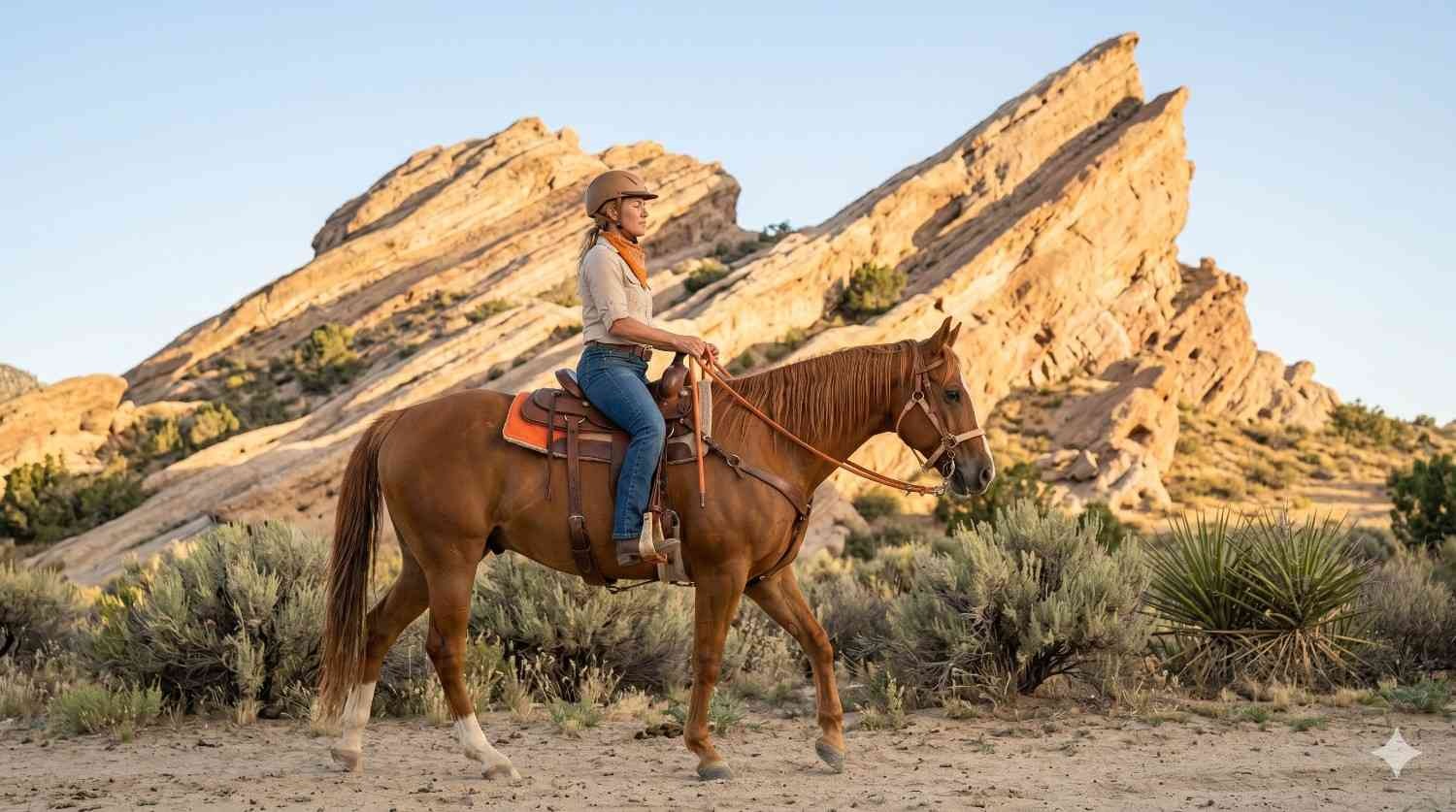
Beyond head protection, appropriate attire is vital for both safety and comfort. Riders should wear closed-toe shoes with a small heel to prevent the foot from slipping through the stirrup. Long pants, such as jeans or breeches, protect the legs from chafing against the saddle and from brush along the trail. Weather-appropriate layers, sunscreen, and hydration are also important, particularly when riding in diverse environments like the coastal trails of Rincon Beach or the rugged terrain of Vasquez Rocks.
Understanding basic trail etiquette is also part of a safe experience. This includes maintaining a safe distance, typically one horse length, between your horse and the one in front of you. When sharing multi-use paths with hikers or cyclists, horses generally have the right of way, but riders should remain alert and follow the guide's instructions for yielding on narrow sections.
How Do I Prepare For My First Trail Ride From Mounting To Cool-Down?
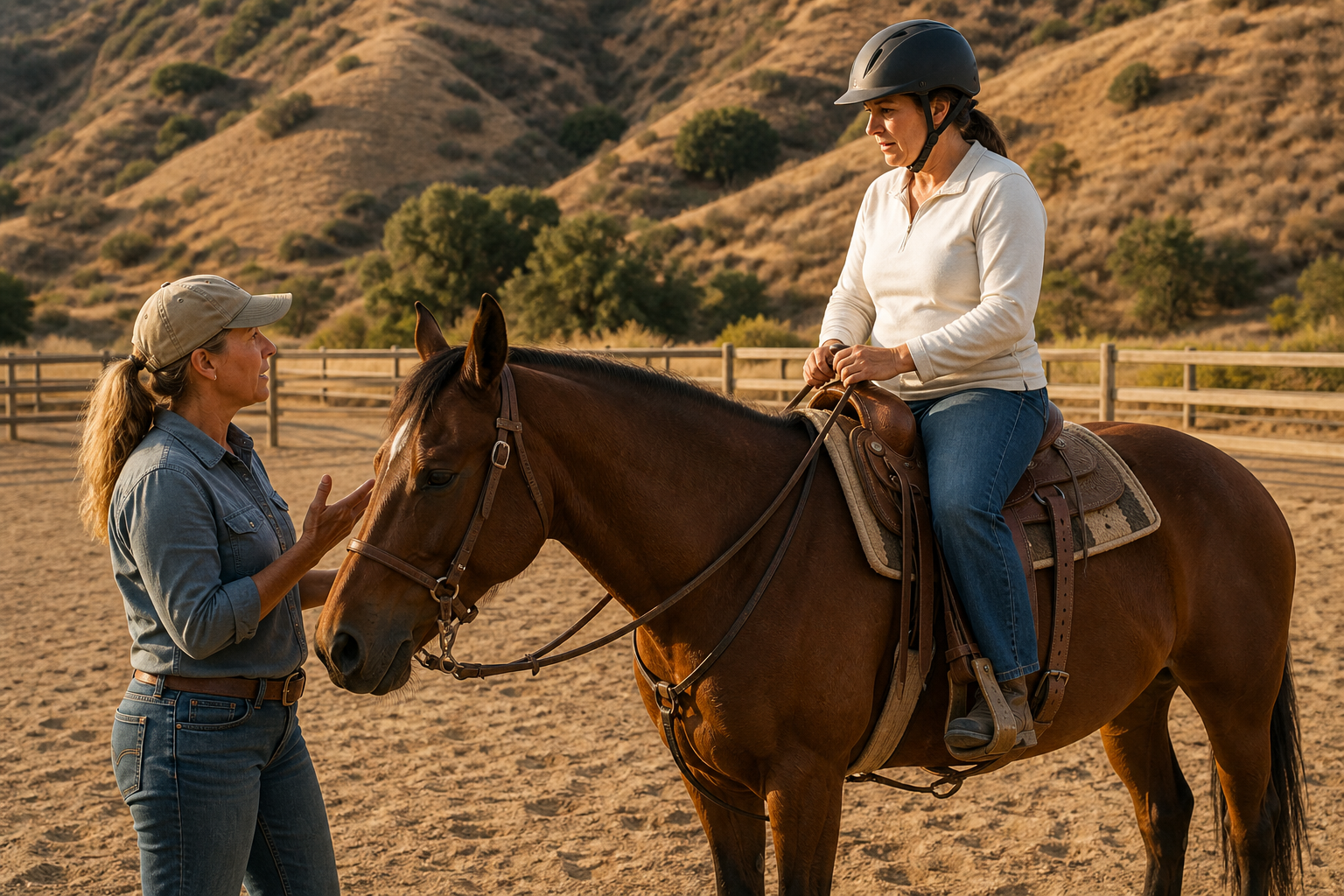
Walking through the experience step by step helps reduce uncertainty and build confidence. Your adventure begins with a comprehensive pre-ride briefing. During this time, guides will explain the basic mechanics of riding: how the reins work, how to ask the horse to stop or turn, and the importance of maintaining a safe following distance. This orientation ensures that everyone understands the simple cues needed to communicate with their mount.
What Are The Basic Riding Cues For First-Time Trail Riders?
Communication with a trail horse is straightforward. To ask the horse to move forward, a gentle squeeze with the legs is usually sufficient. To steer, riders use the reins, gently pulling the right rein to go right, and the left rein to go left. To stop, a steady, even pull backward on both reins, combined with sitting deep in the saddle, signals the horse to halt. These cues are designed to be intuitive and easy for beginners to master quickly.
How Do Professional Guides Manage The Group On The Trail?
Mounting is done with staff support, often using a mounting block to make the process easier for the rider and more comfortable for the horse. The guides also check the saddle fit and adjust the stirrups to ensure the rider is balanced and secure. Once on the trail, the pace is primarily a relaxed walk, allowing riders to take in the surroundings. Guides manage the group by setting the pace, navigating the route, and providing instructions for handling minor trail surprises, such as crossing a small stream or navigating a narrow bend.

How To Pick Trail Rides Horseback That Fit Beginners And Gift Recipients?
Choosing the right trail experience is crucial for ensuring a positive outing, whether for yourself or as a gift. For first-timers, a ride lasting between 30 and 60 minutes is generally ideal. This duration is long enough to enjoy the experience but short enough to prevent muscle fatigue. Returning or more experienced riders might opt for half-day excursions. When evaluating options, consider the group size and the guide-to-rider ratio; smaller groups often provide a more personalized and relaxed experience.
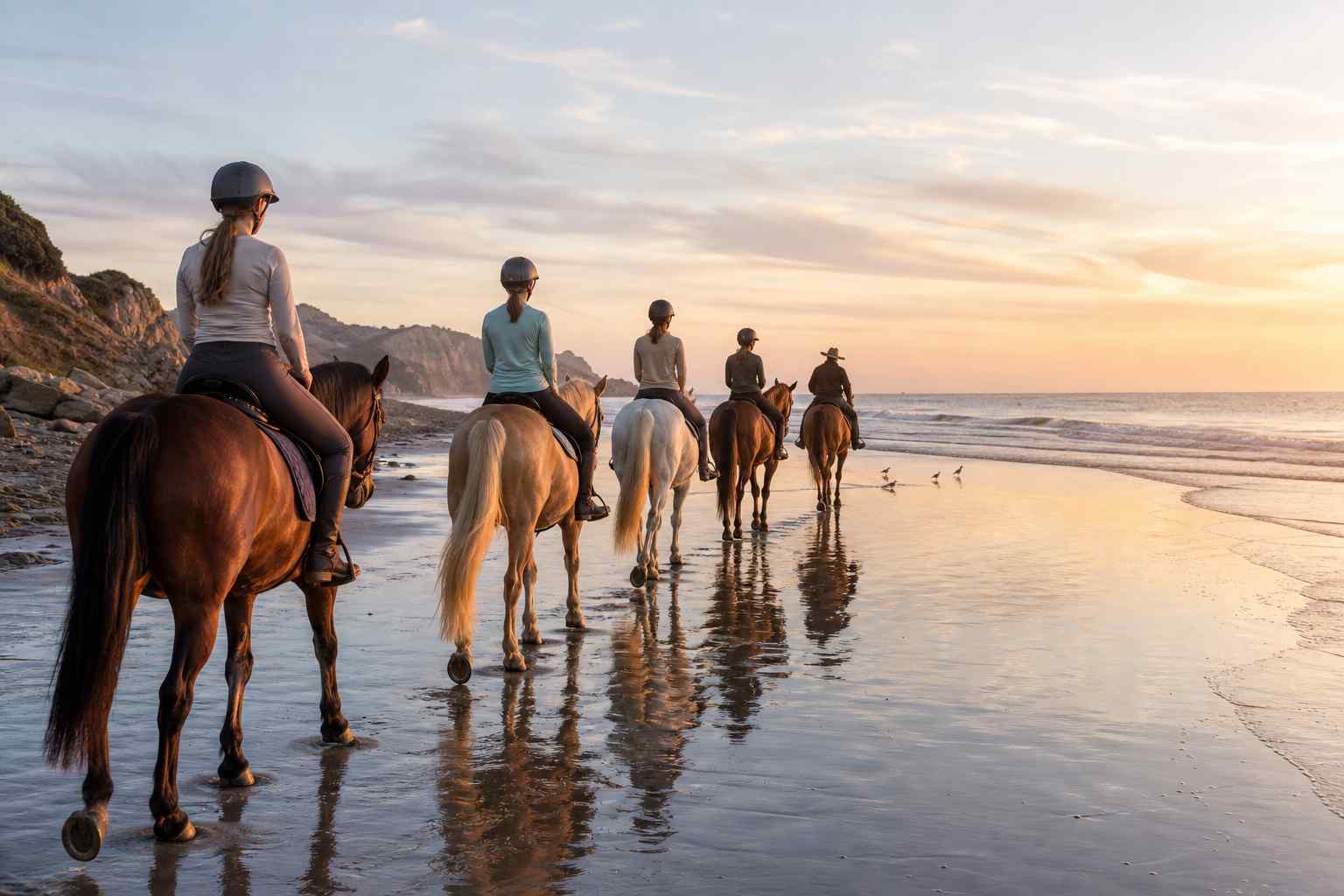
The terrain and scenery are also important factors. Second Chance Ranch offers diverse environments, from the majestic Mountains of Santa Clarita and the unique geological formations of Vasquez Rocks to the serene coastal views at Rincon Beach. Seasonal considerations, such as the heat of summer or the cool coastal breezes, should influence your choice of location and time of day.
When assessing professionalism, look for clear safety briefings, transparent policies regarding rider weight and age limits, and the overall condition of the horses. A reputable provider will prioritize the welfare of their animals and the safety of their guests. Prices for these experiences typically vary between a lower and upper range, depending on the chosen location and the duration of the ride, making it easy to find an option that fits your budget.

What Are The Best Mindset Techniques To Ease Fear During Horseback Trail Rides?
Managing nerves is a common part of learning to ride, and there are practical ways to build confidence. Cognitive techniques, such as deep breathing and maintaining "soft eyes", a relaxed, wide gaze rather than a hard, focused stare, can significantly reduce tension. When anxiety spikes, focusing on the rhythmic movement of the horse and the natural surroundings can help ground the rider.
A gradual exposure plan is highly effective. This might start with a groundwork orientation, where the rider meets the horse, learns to read its body language, and perhaps leads it from the ground. The progression then moves to a short, guided loop in a controlled area, followed by slightly varied terrain, and eventually a longer scenic route. This step-by-step approach builds confidence across multiple rides, allowing the rider to stack small wins and develop a sense of mastery. Principles of exposure therapy suggest that gradual, controlled interaction with the source of anxiety, combined with relaxation techniques, is a proven method for overcoming fear.
What Are The Physical And Mental Health Benefits Of Trail Rides Horseback?
The benefits of trail riding extend far beyond the immediate enjoyment of the activity. Physically, maintaining an independent seat and balanced posture at a walk requires significant core strength, balance, and coordination. The rhythmic movement of the horse engages the rider's core muscles continuously, making it an excellent low-impact exercise. Riding a horse for 45 minutes can burn up to 200 calories, and the activity provides cardiovascular benefits similar to, or greater than, walking.
Mentally and emotionally, the combination of time spent in nature and the connection with the animal offers profound benefits. The rhythmic motion is inherently soothing, and the requirement to be present and focused on the horse promotes mindfulness. Socially, trail rides provide a wonderful opportunity for shared experiences. They are ideal for couples, groups of friends, and multi-generational families, offering a unique way to bond while exploring the outdoors.

How Can I Plan Trail Rides Horseback As A Gift Experience For Special Occasions?
Gifting a trail ride on horseback is a thoughtful and memorable way to celebrate birthdays, Valentine’s Day, Christmas, or Mother’s Day. To make the gift truly special, match the ride to the recipient’s comfort level. If they are a beginner, choose a shorter, scenic route like a peaceful coastal ride. For more experienced riders, a longer trek through the mountains might be more appropriate.
The presentation of the gift can elevate the experience. Consider including a hand-written note, a printed map of the planned route, or arranging for a picnic add-on after the ride. Planning for a specific photo moment, such as posing with the horses against a stunning backdrop, adds a personal touch. It is also important to have a backup plan for weather and to understand the provider's rescheduling policies. Ensure the chosen ride is inclusive by checking age limits, mobility notes, and rider readiness requirements beforehand. Special holiday offers are often available, providing excellent value for these unique gift experiences.
What Are The Rules For Trail Stewardship And Wildlife Awareness While Riding?
Responsible trail use is essential to protect the land and wildlife, ensuring these beautiful areas remain accessible for future generations. Riders should practice simple Leave No Trace principles. This means packing out any trash brought on the trail and staying strictly on marked paths to prevent soil erosion and protect delicate vegetation.
When encountering wildlife, the best approach is to remain calm, stop if necessary, and give the animals plenty of space. Horses are prey animals and can be startled by sudden movements or noises from wildlife, so it is crucial to listen to the guide's instructions during these encounters. Additionally, respecting seasonal trail closures is important, as these are often put in place to protect muddy trails from damage or to safeguard wildlife during sensitive breeding seasons.
Trail Etiquette for Horseback Riders
- Stay on designated trails to prevent erosion.
- Pack out all trash and personal items.
- Maintain a safe distance from other horses.
- Yield to hikers and cyclists as directed by the guide.
- Respect wildlife by keeping noise down and giving them space.
Trail rides on horseback offer a safe, calming, and profoundly rewarding introduction to the equestrian world. They provide a unique opportunity to connect with nature, build core strength, and overcome anxieties in a supportive environment. Whether you are planning a personal adventure or organizing a thoughtful gift, careful preparation and choosing a beginner-friendly route are key to a successful experience.
Remember that confidence grows fastest when safety, expert guidance, and small wins stack across a few short rides. Focus on the experience, the connection with the animal, and the beauty of the surroundings rather than speed or distance. For the calmest first outing, consider planning a short, scenic ride during a low-traffic time. For more information on available rides, locations, and to book your adventure, visit the horsebackridingtrails.com calendar.
Frequently Asked Questions: Trail Rides on Horseback
Do I need prior riding experience for a guided trail ride?
No prior experience is necessary. Guided trail rides at locations like Second Chance Ranch are specifically designed to accommodate all skill levels, with beginners starting at a comfortable walking pace.
What should I wear on a horseback trail ride?
You should wear long pants (like jeans) to prevent chafing, closed-toe shoes with a small heel, and weather-appropriate layers. An ASTM/SEI certified helmet is essential and is typically provided by the ranch.
How long is a typical beginner ride?
A typical beginner ride lasts between 30 and 60 minutes. This provides enough time to enjoy the experience without causing fatigue for muscles that aren't used to riding.
Is horseback trail riding safe for kids or older adults?
Yes, horseback riding can be safe and enjoyable for both kids and older adults, provided they meet the specific age and physical requirements of the ride. Always check the policies of the provider beforehand.
What if I’m afraid of horses, should I still try a trail ride?
Absolutely. Guided trail rides are an excellent way to overcome fear. The horses are calm and predictable, and the guides provide step-by-step support to ensure you feel safe and in control.
What happens if it rains on the day of my ride?
Most providers have clear rescheduling policies for inclement weather. It's best to check these policies when booking and have a flexible backup plan.
Are there weight or age limits for trail rides?
Yes, for the safety of both the rider and the horse, reputable providers have strict weight and age limits. These should be clearly stated on the provider's website, such as horsebackridingtrails.com.
Can I bring my phone or camera on the trail?
While you can bring a phone or small camera, it must be secured in a pocket or a small bag. For safety reasons, you should not hold it in your hands while riding. Guides are often happy to take photos for you at designated stops.