Trail Riding Tips for Beginners: A Practical, Safe-First Guide
Trail riding tips for beginners, from gear and posture to safety and etiquette. Learn how to prepare, ride confidently, and handle common trail scenarios.
There is a particular kind of quiet that settles over you the first time you ride a horse through open country. The rhythm of hooves on soft earth, the warmth of the animal beneath you, the way the world looks different from the saddle. For many people, that first trail ride is the beginning of a lifelong passion. But getting there, arriving at that moment of ease and connection, takes a little preparation. This guide exists to give you exactly that: a practical, honest, and safety-first introduction to trail riding tips for beginners, written for anyone who is planning their first guided ride and wants to show up ready.
Whether you are booking a ride through the mountains of Santa Clarita, exploring the dramatic rock formations at Vasquez Rocks, or heading out to the coast for a beach horseback riding experience, the fundamentals are the same. The more you understand before you arrive, the more you can relax and enjoy the ride itself.
What To Expect On A Guided Trail Ride: A Beginner's First Look
Most people who book their first guided trail ride have a general idea of what horseback riding looks like, but the specifics of how a guided group ride actually unfolds can be a mystery. Understanding the structure of a typical ride helps you arrive calm, focused, and ready to participate rather than spending the first hour trying to figure out what is happening around you.
When you arrive at the ranch, the experience begins with a check-in process. You will sign a waiver, which is standard practice at any reputable equestrian operation. From there, a guide will assist with helmet fitting. A properly fitted helmet that meets ASTM/SEI certification standards is your most important piece of safety equipment, and the guide will make sure it sits correctly on your head before anything else happens. After gear is sorted, you will be introduced to your horse for the day. At Second Chance Ranch, horses are matched to riders based on experience level, size, and temperament. Beginners are paired with steady, experienced animals who are accustomed to carrying new riders through varied terrain.
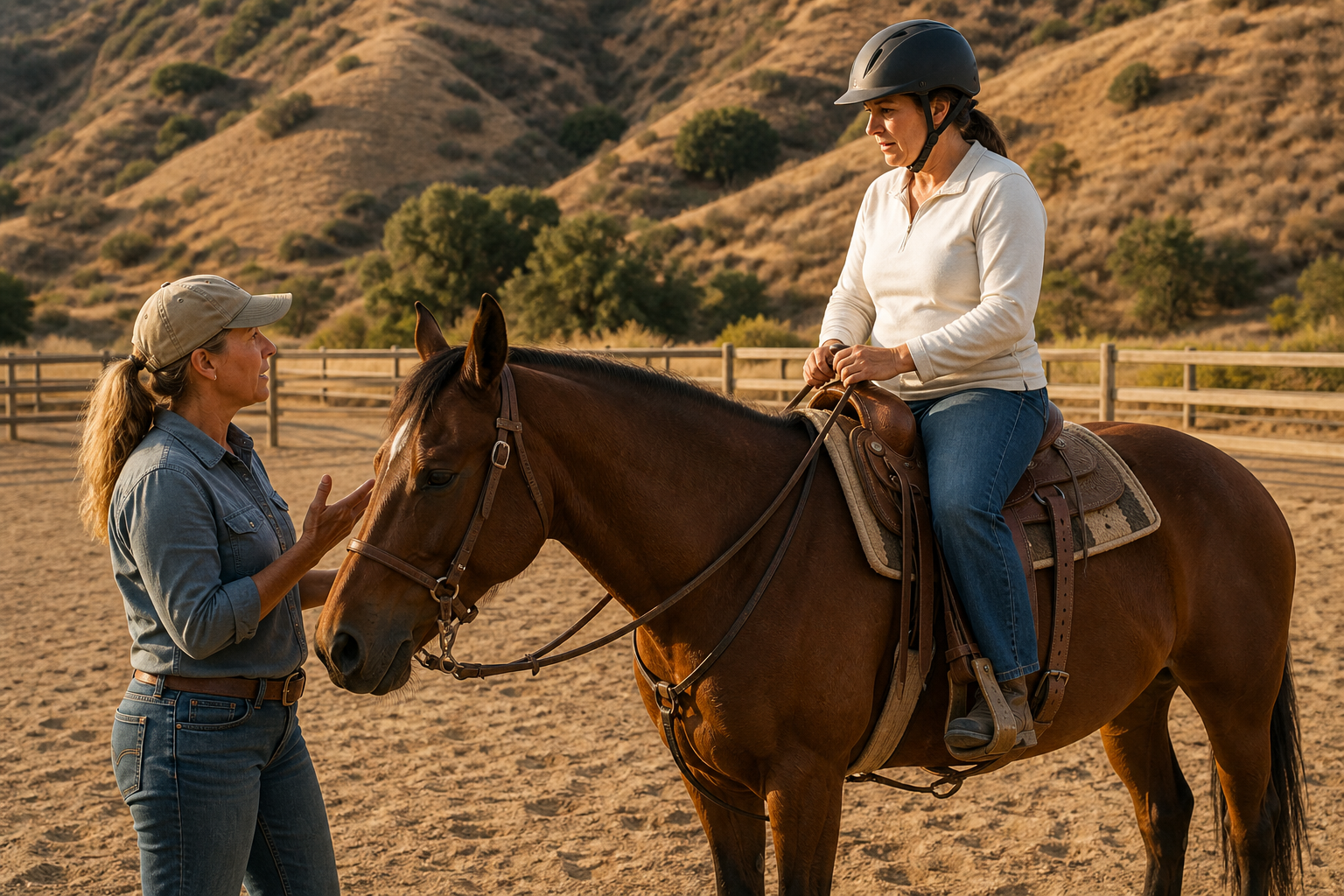
The pre-ride briefing is the most critical part of the introduction. Your guide will demonstrate how to mount the horse safely, how to hold the reins, and how to communicate basic cues for walking, steering, and stopping. This is the time to ask questions. If you are unsure about how much pressure to use on the reins or where your feet should sit in the stirrups, ask. The guides expect questions and prefer to address them before you are out on the trail.
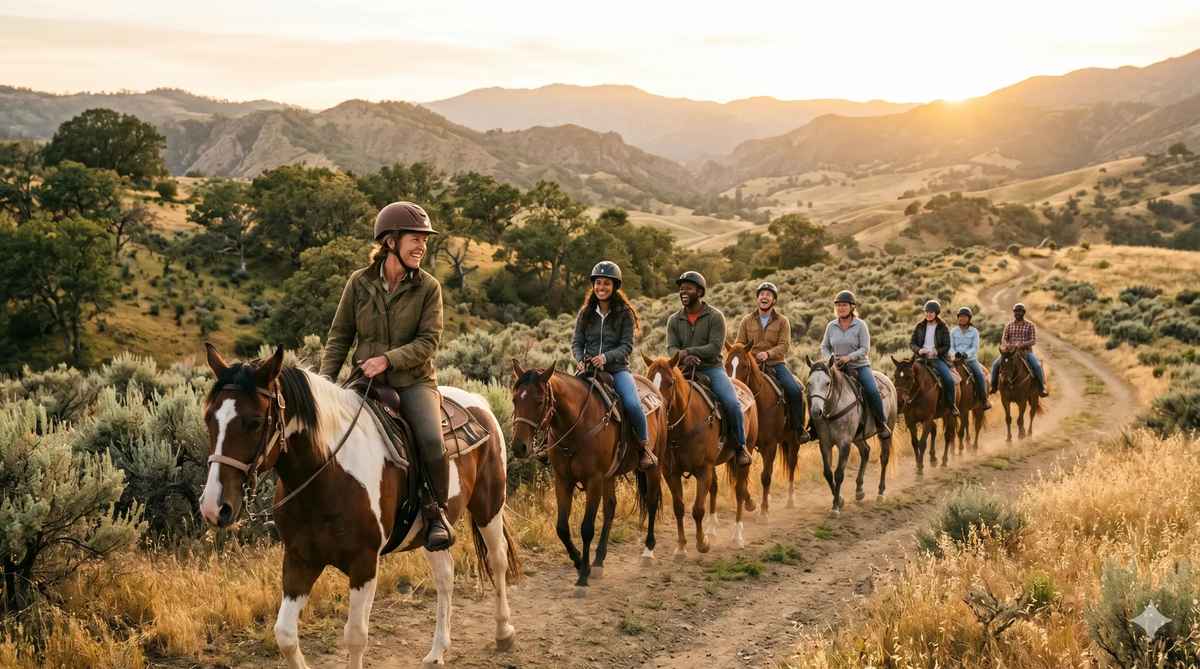
Once everyone is mounted and comfortable, the ride begins. Guided rides typically proceed at a walk, maintaining a single-file line. A walking pace allows you to focus on your balance, get accustomed to the horse's movement, and take in the scenery safely. You can explore the full range of trail ride options available through Second Chance Ranch before you book.
Gear And Attire That Actually Matters Before You Hit The Trail
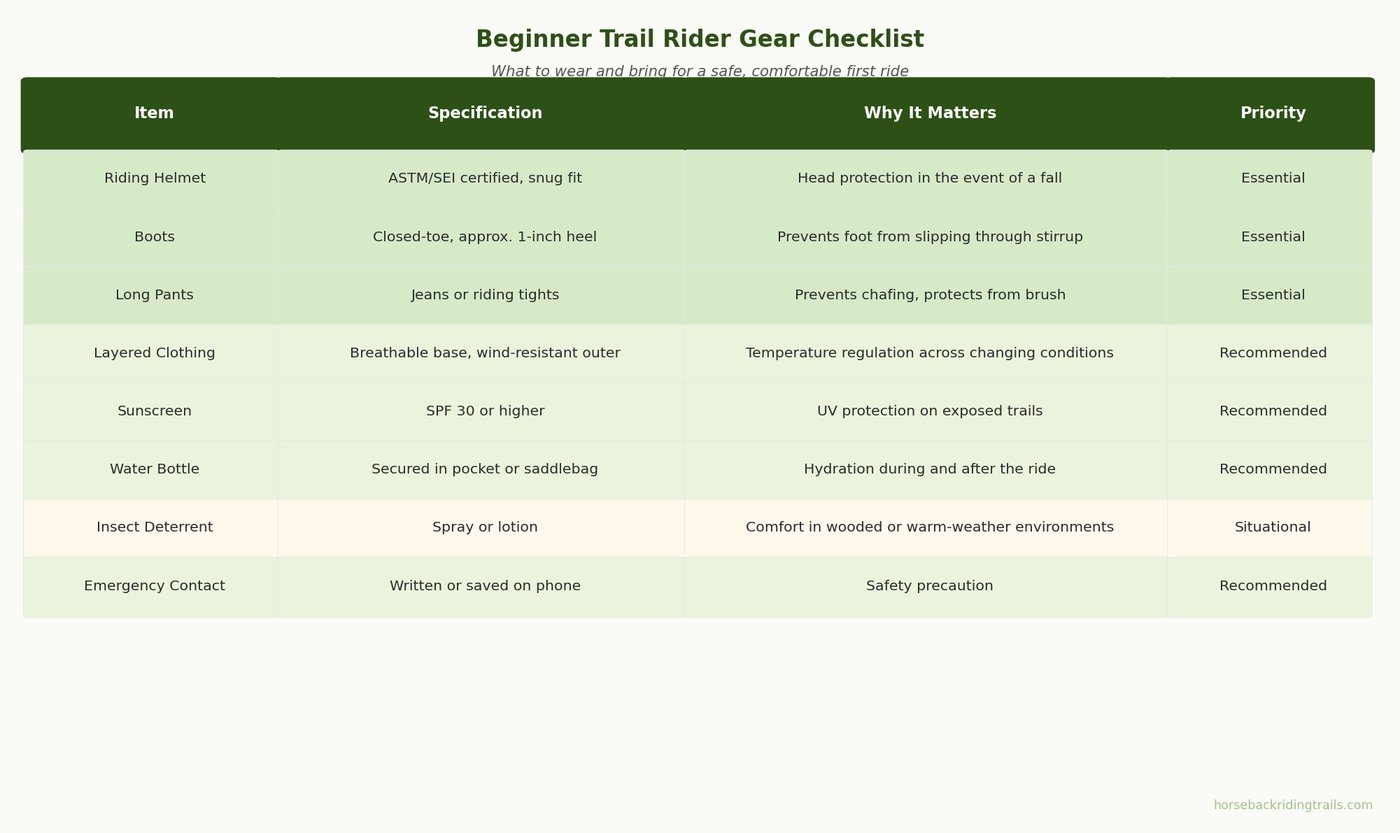
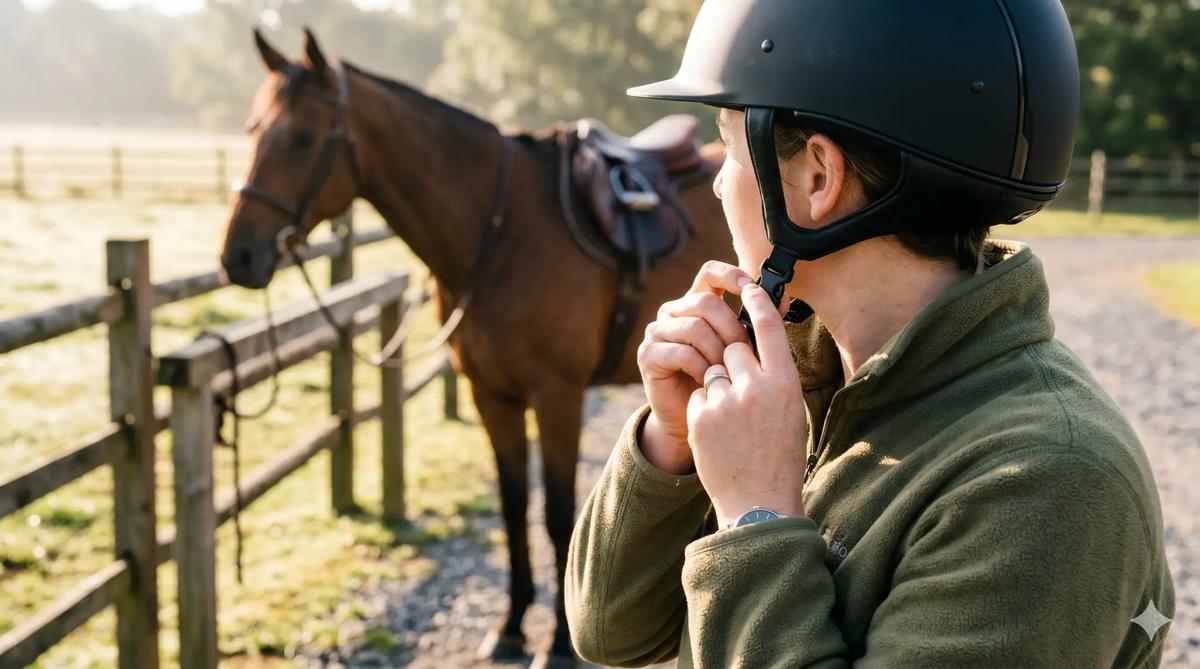
The right gear makes a measurable difference in both safety and enjoyment on the trail. This is not about looking the part. It is about protecting yourself, staying comfortable across changing terrain and weather, and being able to focus on the ride rather than adjusting your clothing or worrying about your footwear. The good news is that you do not need to invest in a full riding wardrobe for your first few rides. A few key items cover the essentials.
The helmet is non-negotiable. It should carry ASTM/SEI certification, which indicates it has been tested specifically for equestrian use. A bicycle helmet does not meet this standard. The helmet should fit snugly without rocking forward, backward, or side to side. If you are unsure about fit, ask your guide to check it before you mount.
Footwear is equally critical. Closed-toe boots with a small heel, typically around one inch, are required. The heel prevents your foot from sliding through the stirrup, which is a genuine safety hazard. Sneakers, sandals, and flat-soled shoes are not appropriate for riding. If you do not own riding boots, a sturdy pair of western-style or hiking boots with a defined heel will work well for a beginner ride.
Long pants protect your legs from chafing against the saddle and from brush along the trail. Jeans are a practical and widely used choice. Riding tights or breeches are also excellent if you have them. Avoid shorts entirely. For your upper body, dress in layers suited to the weather. Sun protection, including sunscreen and a hat that fits under your helmet, is important on exposed trails.
Understanding How Horses Think: The Foundation Of Every Good Ride
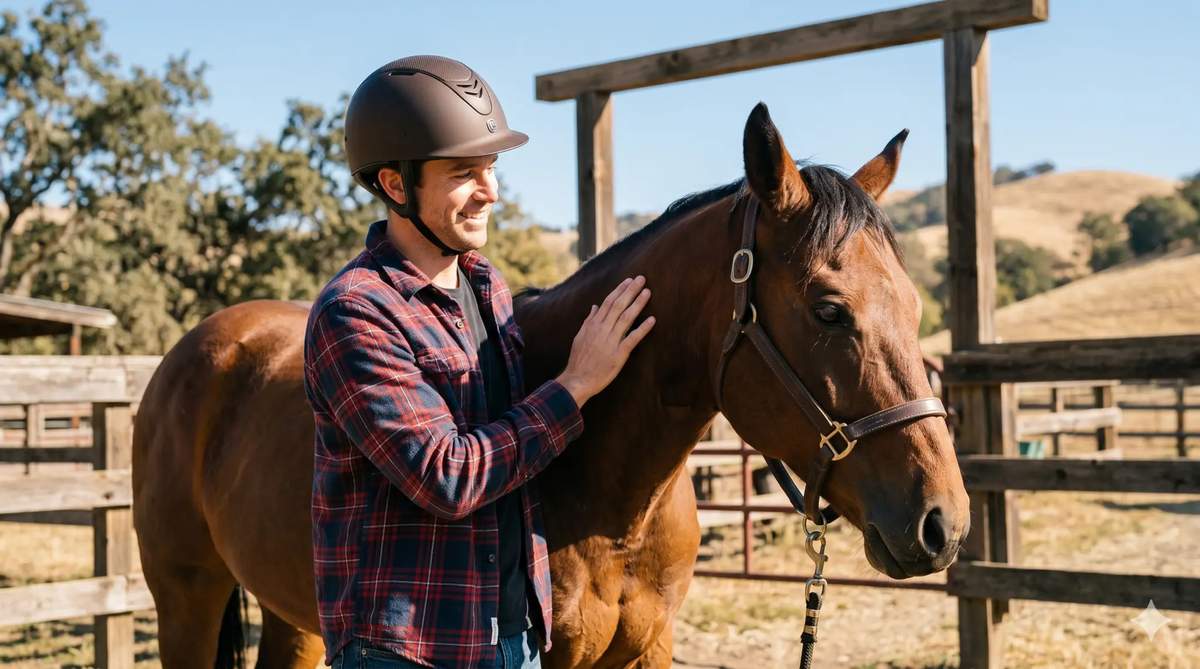
One of the most transformative shifts a beginner rider can make is moving from thinking of a horse as a vehicle to understanding it as a living, thinking partner. Horses are prey animals. Their survival instincts are wired around detecting threats and responding quickly. This is not a flaw or a problem to work around. It is simply the nature of the animal, and understanding it makes you a far more effective and empathetic rider.
Horses are highly attuned to energy and body language, both from their environment and from the people on their backs. A tense rider with gripping legs and tight hands communicates anxiety to the horse. A relaxed rider with a soft seat and quiet hands communicates calm. This is why your own mental state matters so much on the trail. The horse is reading you constantly, and your composure directly influences their behavior.
Learning to read the horse's body language is equally valuable. The ears are one of the most expressive parts of a horse. Ears pointing forward indicate curiosity and attention. Ears pinned flat back are a warning sign of irritation or discomfort. A horse with a relaxed, lowered head and steady breathing is comfortable. If you are new to horses and want to learn more, our adult horseback riding lessons cover horse behavior in depth.
In The Saddle: Mounting, Balance, And The Basics Of Control
Mounting is best done from a mounting block whenever one is available. A mounting block is a small platform that allows you to step up to the horse's level rather than pulling yourself up from the ground. This is easier on your body and significantly reduces the strain on the horse's back and saddle. To mount, stand on the block with the horse alongside you. Hold the reins in your left hand, along with a small handful of mane for stability. Place your left foot in the stirrup, push up from the block, and swing your right leg gently over the horse's back, settling softly into the saddle.
The classic description of a balanced riding position is the ears-shoulders-hips-heels alignment. Imagine a vertical line running from your ear, through your shoulder, through your hip, and down to your heel. When this line is straight, your weight is centered directly over the horse's center of gravity. Keep your elbows soft and close to your sides, hold the reins evenly in both hands, and keep your eyes looking forward along the trail rather than down at the horse's neck.
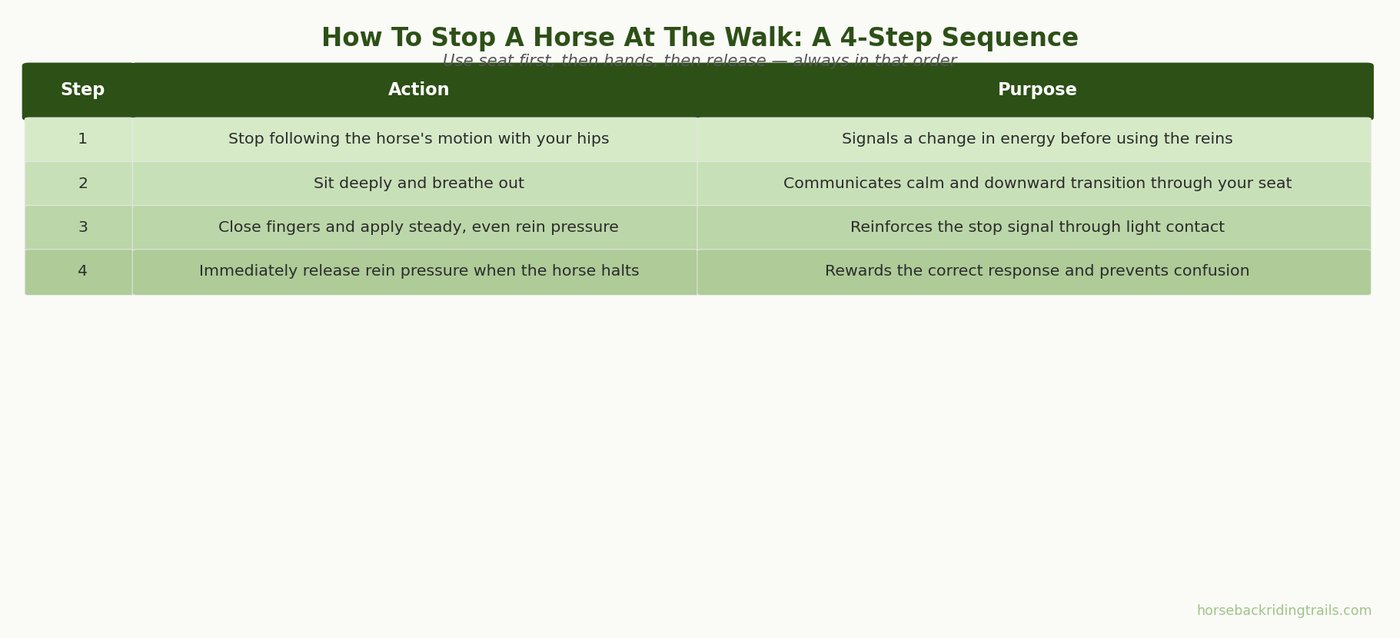
To ask the horse to walk forward, sit deep in the saddle and apply a gentle squeeze with both legs. As soon as the horse steps forward, relax your legs. To stop, stop following the horse's motion with your hips, sit deeply, and apply a steady, even pressure on both reins. The moment the horse halts, release the rein pressure completely. This sequence, seat first, then hands, then immediate release, is the most effective and horse-friendly way to stop.
Trail Etiquette And Safety: How To Be A Respectful And Aware Rider
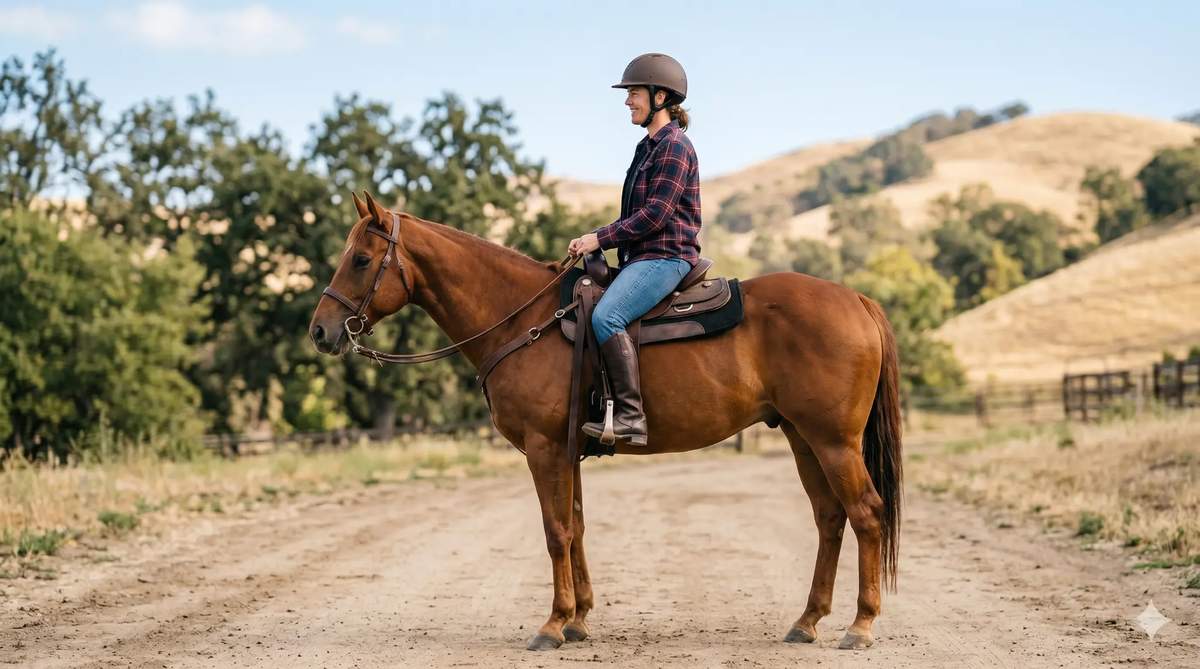
Trail riding is often a shared experience, not just with your group, but with other people and animals using the same paths. Good etiquette ensures safety for everyone and protects the environment you are riding through. In a guided group, the most important rule is to maintain proper spacing. Keep one horse-length of distance between your horse's nose and the tail of the horse in front of you. If you can see the hind hooves of the horse ahead, you are at a safe distance. Crowding the horse in front can lead to kicking or biting, which is entirely preventable by managing your spacing.
Communication within the group is vital. If you need to stop, drop an item, or feel uncomfortable, speak up clearly so your guide can halt the entire line. When encountering other trail users such as hikers or mountain bikers, horses generally have the right-of-way on multi-use trails. Your guide will manage these interactions. Environmental respect is a core part of trail etiquette. Stay on marked trails to avoid damaging fragile ecosystems or causing erosion. For a deeper look at trail safety, visit our guide to horseback trail riding near you.
Navigating Terrain And Weather: Staying Centered When Conditions Change
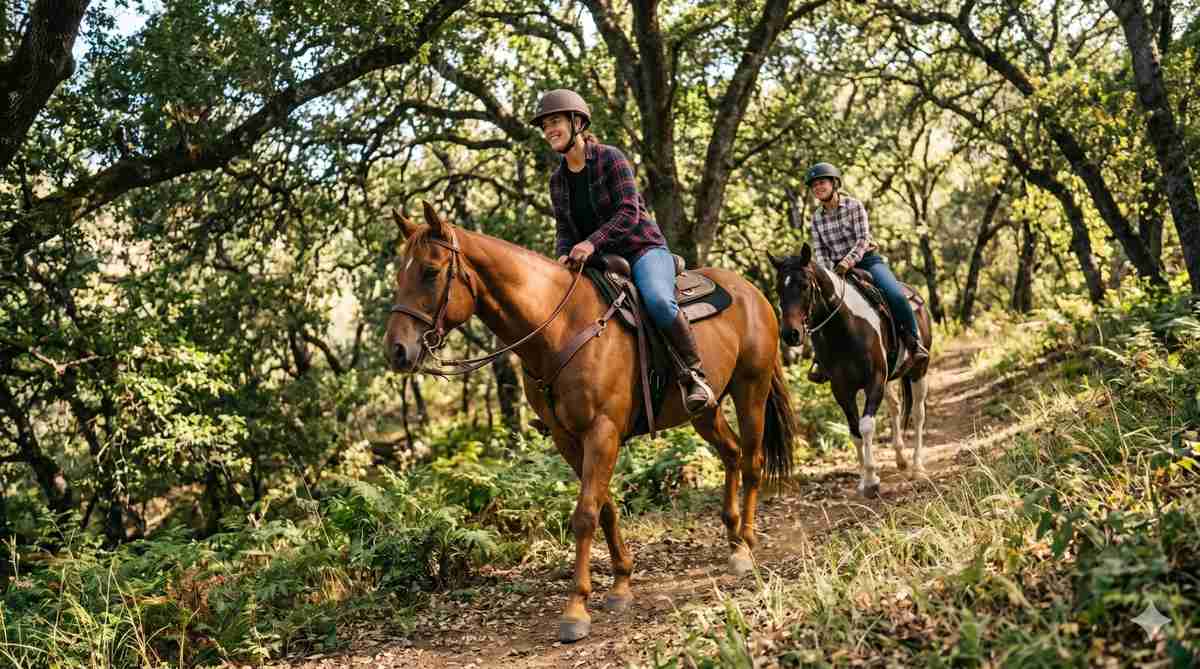
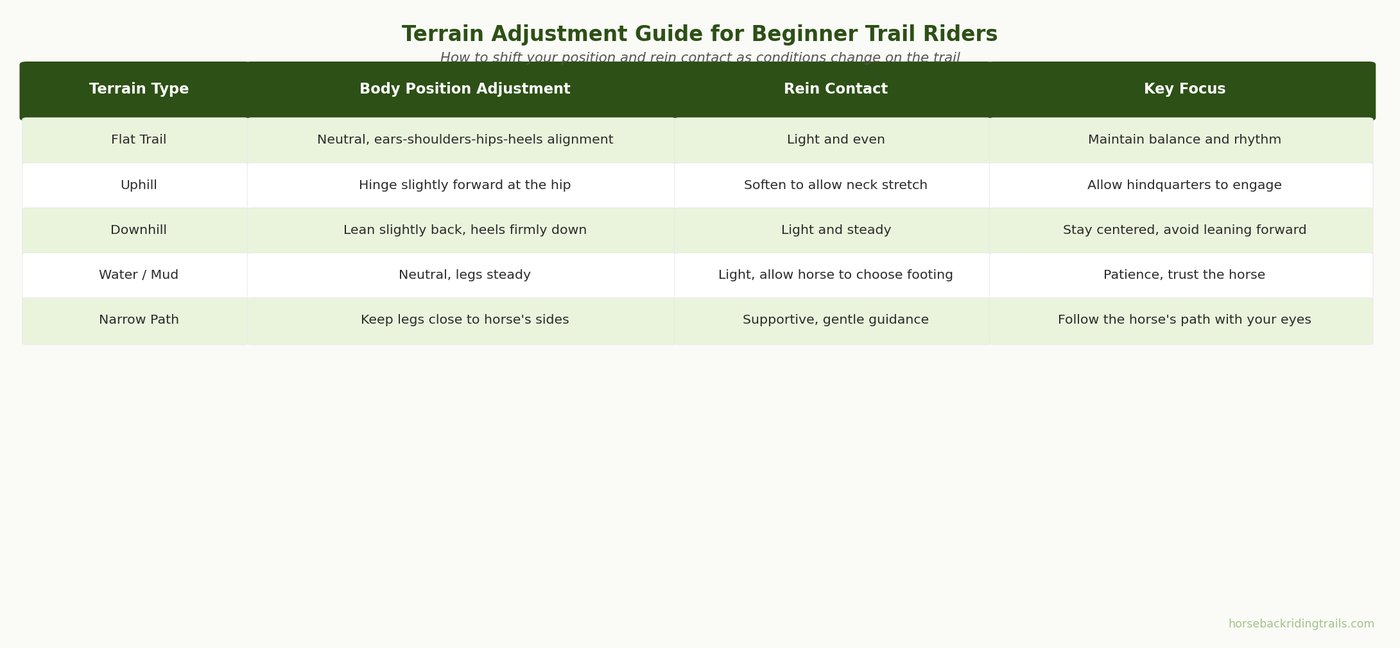
Trails are rarely perfectly flat, and learning to adjust your balance to match the terrain is a key skill for beginner riders. When riding uphill, hinge slightly forward at your hips, keeping your back straight. This takes your weight off the horse's hindquarters, allowing them to use their powerful back legs to climb. When riding downhill, keep your torso upright or lean slightly back, depending on the steepness of the decline. Push your weight down into your heels. This helps you stay secure in the saddle as gravity pulls you forward.
If you encounter water crossings or muddy sections, trust the horse. Horses are generally cautious about where they step. Keep your legs steady against their sides to encourage forward movement, but keep your hands soft so they can lower their head to inspect the footing. On hot days, hydration is critical for both you and the horse. Be aware of the signs of heat exhaustion in yourself and let your guide know immediately if you feel unwell.
Handling Common Hiccups With Calm And Confidence
Even on the most well-planned rides, small hiccups can occur. A horse might stumble, a piece of gear might need adjusting, or a sudden noise might cause a startle. The way you handle these moments defines your experience as a rider. If your horse trips, stay relaxed and centered in the saddle. Give the horse enough rein to use its head and neck to recover its balance. Horses are agile and recover from minor stumbles quickly if the rider does not interfere with their natural mechanics.
A spook is a sudden, fearful reaction to something the horse perceives as a threat. If this happens, sit deep in the saddle, keep your heels down, and breathe out audibly. Avoid clamping your legs tightly or yanking on the reins, as this confirms to the horse that there is indeed something to panic about. Your calm, steady presence is the fastest way to reassure them that they are safe. If you feel unbalanced or if something about your tack feels wrong, tell your guide immediately.
Planning Your First Few Rides And Building Skills Over Time
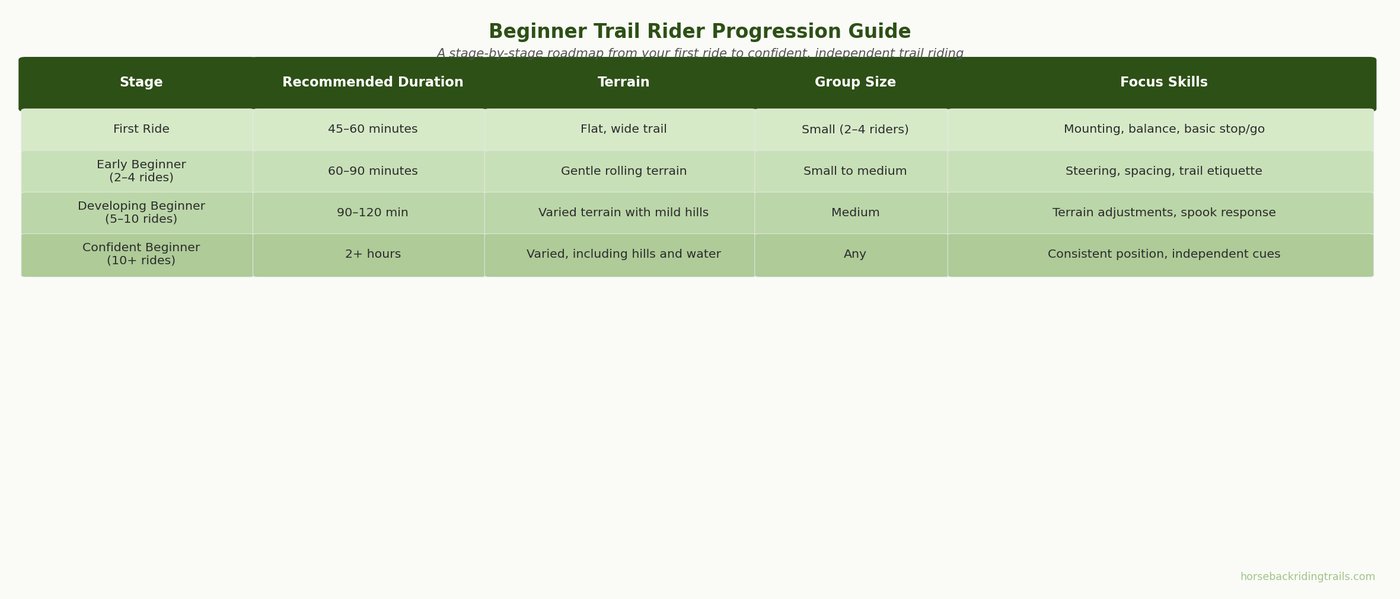
Your first trail ride is an introduction, but it does not have to be a one-time event. If you enjoy the experience, planning a progression of rides is the best way to build confidence and develop your skills. For your first few rides, stick to shorter durations, typically 45 to 60 minutes. This is enough time to get comfortable without causing excessive muscle soreness. As you master the basics of mounting, balancing, and steering, you can begin to extend your ride times and explore more varied terrain.
Second Chance Ranch offers a range of trail rides across different landscapes, from canyon trails to coastal adventures. You might also consider exploring horseback riding camping trips as your confidence grows. If you want to develop more refined equestrian skills, consider taking adult horseback riding lessons. Lessons provide focused instruction on position, aids, and horse behavior in a controlled arena setting, which translates directly to greater confidence and capability out on the trail.
Bringing It All Together: Your Path To Confident Trail Riding
The trail riding tips for beginners in this guide are designed to give you a clear, practical foundation. Understanding what to expect on a guided ride reduces anxiety and allows you to be present. Wearing the right gear protects you and keeps you comfortable. Learning to read your horse and communicate clearly builds a partnership based on trust. Establishing a balanced position and mastering basic cues gives you the tools to navigate the trail safely. And planning your progression thoughtfully ensures that each ride builds on the last, moving you steadily toward greater confidence and skill.
Trail riding is a unique intersection of sport, nature, and animal partnership. It requires patience, awareness, and a willingness to learn. By preparing well and approaching the experience with an open mind, you set yourself up for a safe, enjoyable, and deeply rewarding journey. Ready to get started? Browse our trail rides and find the right experience for your first adventure.
Frequently Asked Questions About Trail Riding For Beginners
What Should A Beginner Wear For A Horseback Trail Ride?
A beginner should wear long pants to prevent chafing, closed-toe boots with a small heel to keep feet secure in the stirrups, and weather-appropriate layers. An ASTM/SEI certified riding helmet is essential for safety. Avoid shorts, sandals, and flat-soled shoes.
How Long Should A First Trail Ride Be?
For a first-time rider, a guided trail ride of 45 to 60 minutes is ideal. This duration is long enough to get comfortable in the saddle and enjoy the scenery, but short enough to prevent excessive muscle soreness or fatigue.
What Is Proper Spacing Between Horses On A Trail?
The standard rule for safe spacing on a trail ride is to keep one horse-length between your horse and the horse in front of you. You should be able to clearly see the hind hooves of the horse ahead. This prevents crowding, which can lead to kicking or biting.
How Do I Stop A Horse On The Trail Without Pulling Harshly?
To stop a horse smoothly: first, stop following the horse's motion with your hips and sit deeply in the saddle. Next, apply a steady, even pressure on both reins. As soon as the horse halts, immediately release the rein pressure to reward the correct response.
What Do I Do If My Horse Spooks On The Trail?
If your horse spooks, remain calm. Sit deep in the saddle, push your weight down into your heels, and breathe out audibly. Avoid clamping your legs or yanking the reins, as tension will only confirm to the horse that there is something to fear.
Do I Need Prior Riding Experience For A Guided Trail Ride?
No, you do not need prior experience for a beginner-friendly guided trail ride. Second Chance Ranch pairs beginners with steady, experienced horses and provides a pre-ride briefing to teach you the basics before you head out on the trail.
What Are The Most Important Trail Riding Safety Tips For Beginners?
The most important safety tips are: always wear a certified riding helmet, wear proper boots with a heel, maintain safe spacing between horses, listen carefully to your guide's instructions, and stay calm and centered if the horse reacts unexpectedly.
Can I Go On A Trail Ride If I Am Nervous About Horses?
Yes. Many of our riders arrive feeling nervous, and that is completely normal. Our guides are experienced at working with anxious beginners and will take the time to introduce you to your horse and ensure you feel comfortable before the ride begins. You can also read our practical guide to horseback trail riding near me for more information on what to expect.