Horseback Riding Los Angeles: Real Riding, Real Partnership
Your guide to real horseback riding Los Angeles—active partnership, forward horses, and consistent, mindful rides. Learn who thrives with this approach.
What We Mean When We Say “Real Riding”
The phrase horseback riding gets used to describe a wide range of experiences. For some, it means sitting quietly on a horse while someone else controls the pace, the direction, and every decision along the way. For others, it means developing a working relationship with a living, thinking animal—one that responds to balance, intention, and communication rather than commands alone.
When we talk about real riding, we’re talking about the second experience.
Real riding isn’t about checking a box, taking a photo, or being carried from point A to point B. It’s about showing up with awareness, curiosity, and respect for the horse beneath you. It’s about understanding that every ride is a conversation, not a performance, and that the quality of that conversation depends on how present you’re willing to be.
This distinction matters because expectations shape outcomes. When riders arrive expecting a passive, guaranteed, “set-it-and-forget-it” experience, they’re often surprised by horses that are alert, forward, and engaged. Our horses aren’t designed to shut down or simply tolerate a rider—they’re conditioned to participate, to move with purpose, and to respond honestly. That’s a feature, not a flaw.
Defining real riding upfront isn’t about gatekeeping or elitism. It’s about transparency—for riders and horses alike. When everyone understands what kind of experience this is meant to be, the result is safer rides, better partnerships, and far more meaningful time in the saddle.
If you’re looking for an experience rooted in connection, consistency, and responsibility, you’re in the right place. And if not, that’s okay too—because riding should always start with alignment.
Real Riding Requires Participation, Not Passivity
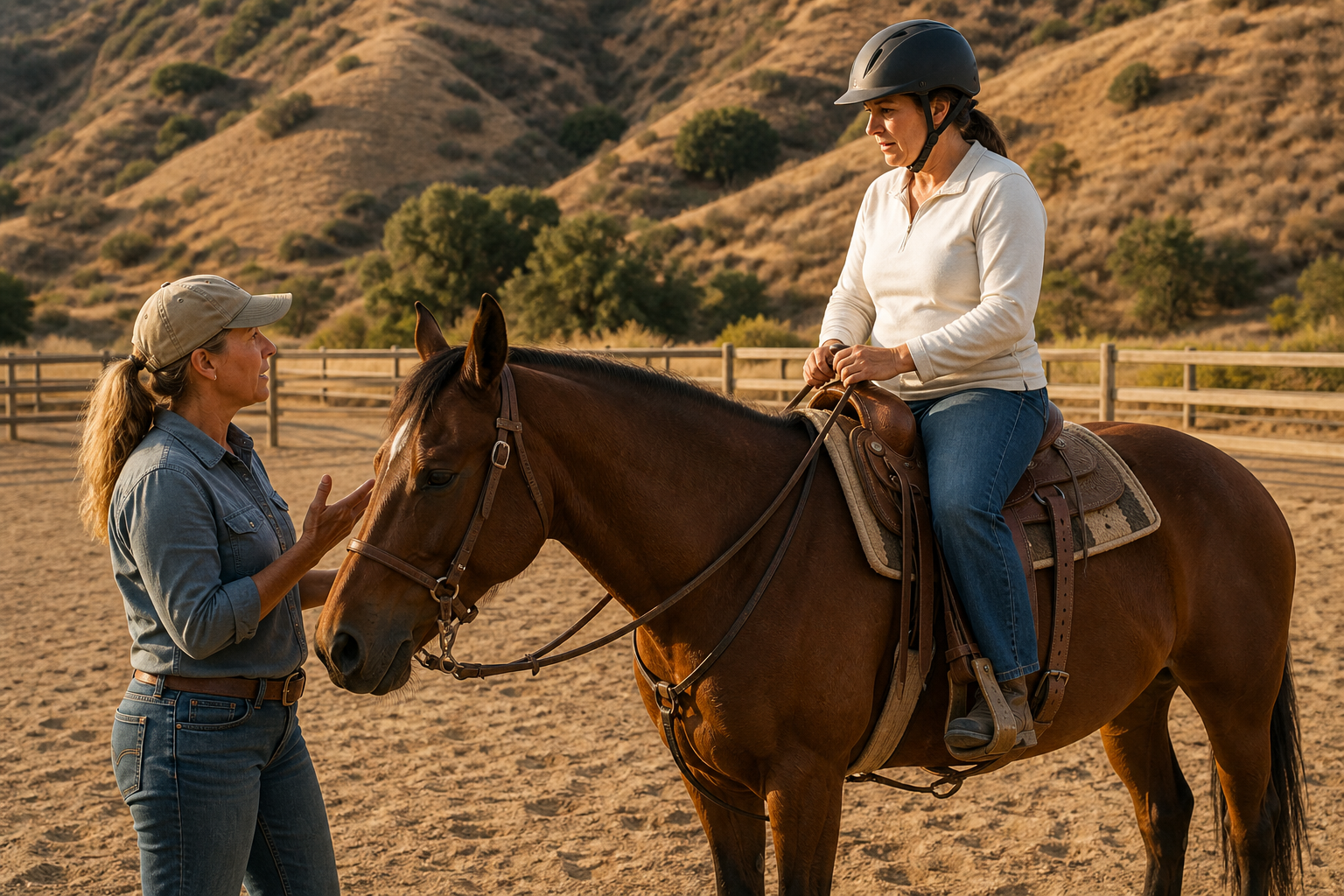
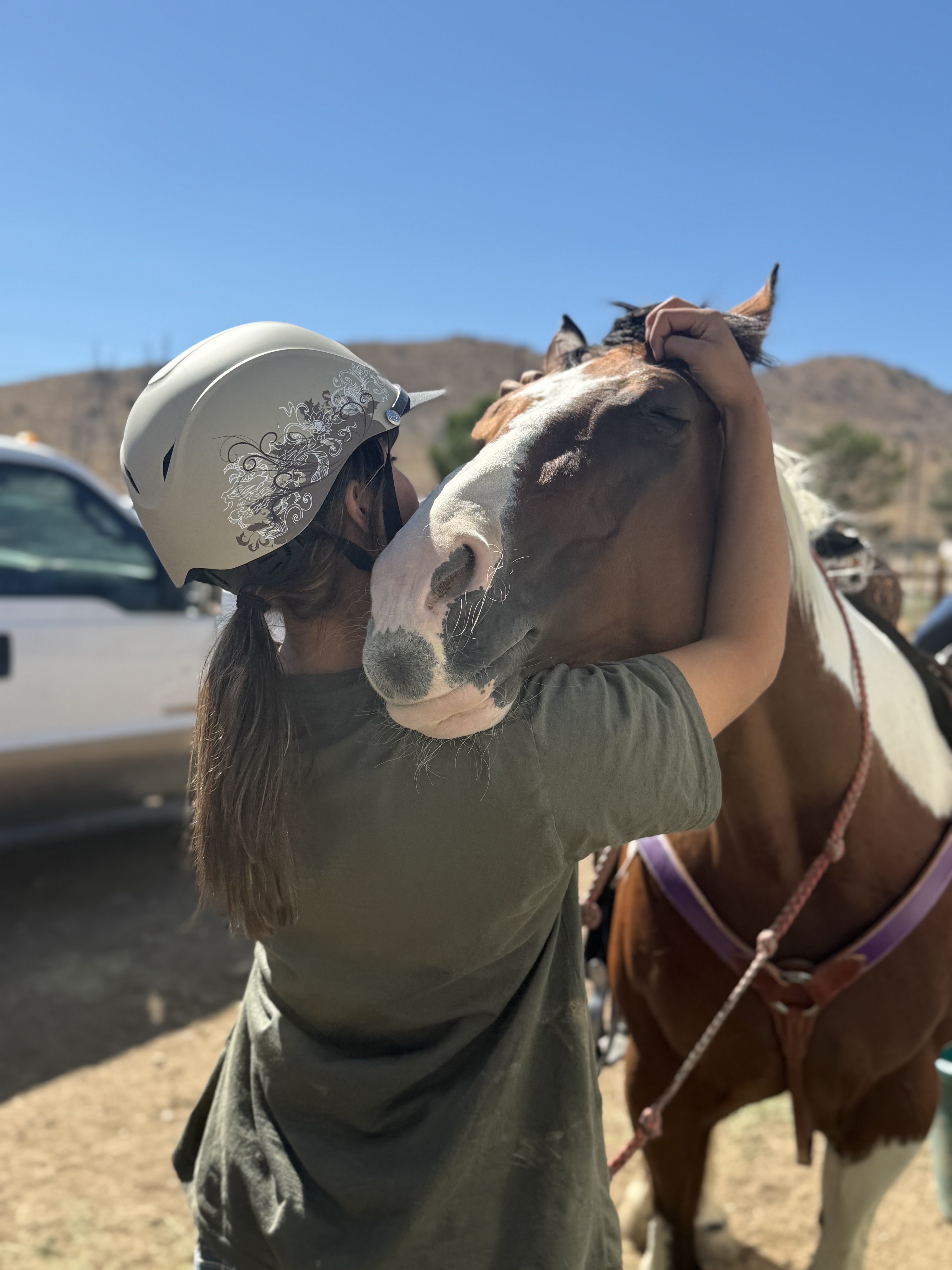
One of the biggest differences between real riding and recreational riding is the level of participation required from the rider. In a real riding environment, you aren’t just along for the ride—you’re an active part of it.
This means being responsible for your balance, your body awareness, and your communication. Horses feel everything: tension, hesitation, confidence, distraction. They respond to subtle shifts in weight, clarity in intention, and consistency in cues. When a rider is present and engaged, the horse becomes more relaxed, more willing, and more capable. When a rider is disconnected, the conversation breaks down.
Real riding asks something of you. It asks you to pay attention, to adjust, to learn from each moment rather than expecting perfection or predictability. Some days feel effortless; others reveal gaps in balance or communication. Both are valuable. Growth in riding doesn’t come from being carried—it comes from being involved.
This is why real riding can feel challenging at first, especially for riders who’ve only experienced guided or highly managed trail rides. There’s less hand-holding and more shared responsibility. The reward is a deeper sense of trust, confidence, and connection—one that can’t be manufactured or rushed.
Participation doesn’t mean pressure or intensity for its own sake. It means respect: for the horse’s mind, body, and honesty. It means showing up ready to ride with the horse, not just on them.
Time in the Saddle Changes Everything
Real riding isn’t built in a single ride. It’s shaped over time—through repetition, familiarity, and the quiet lessons that only come from showing up consistently. The more time you spend in the saddle, the more you begin to understand how horses think, how terrain affects movement, and how small adjustments in your body change the entire ride.
Consistency allows both horse and rider to relax into the work. Horses become more confident when they know what’s being asked of them, and riders develop clearer instincts when they aren’t starting from scratch every time. This is why real riding emphasizes regular saddle time over novelty.
With consistency, riders begin to notice things they may have missed before:
- How a horse’s rhythm changes on different footing
- How balance feels on hills, turns, and open stretches
- How energy, focus, and intention affect forward movement
Over time, riding becomes less about managing the moment and more about flow. You stop reacting and start anticipating. You learn when to ask, when to soften, and when to simply stay out of the way.
This is also why programs like memberships and recurring rides matter. Riding once in a while can be enjoyable, but riding regularly builds something deeper—confidence, trust, and a sense of partnership that can’t be rushed or replicated.
Real riding rewards patience. The more time you give it, the more it gives back.
Forward-Moving Horses Are a Feature, Not a Problem
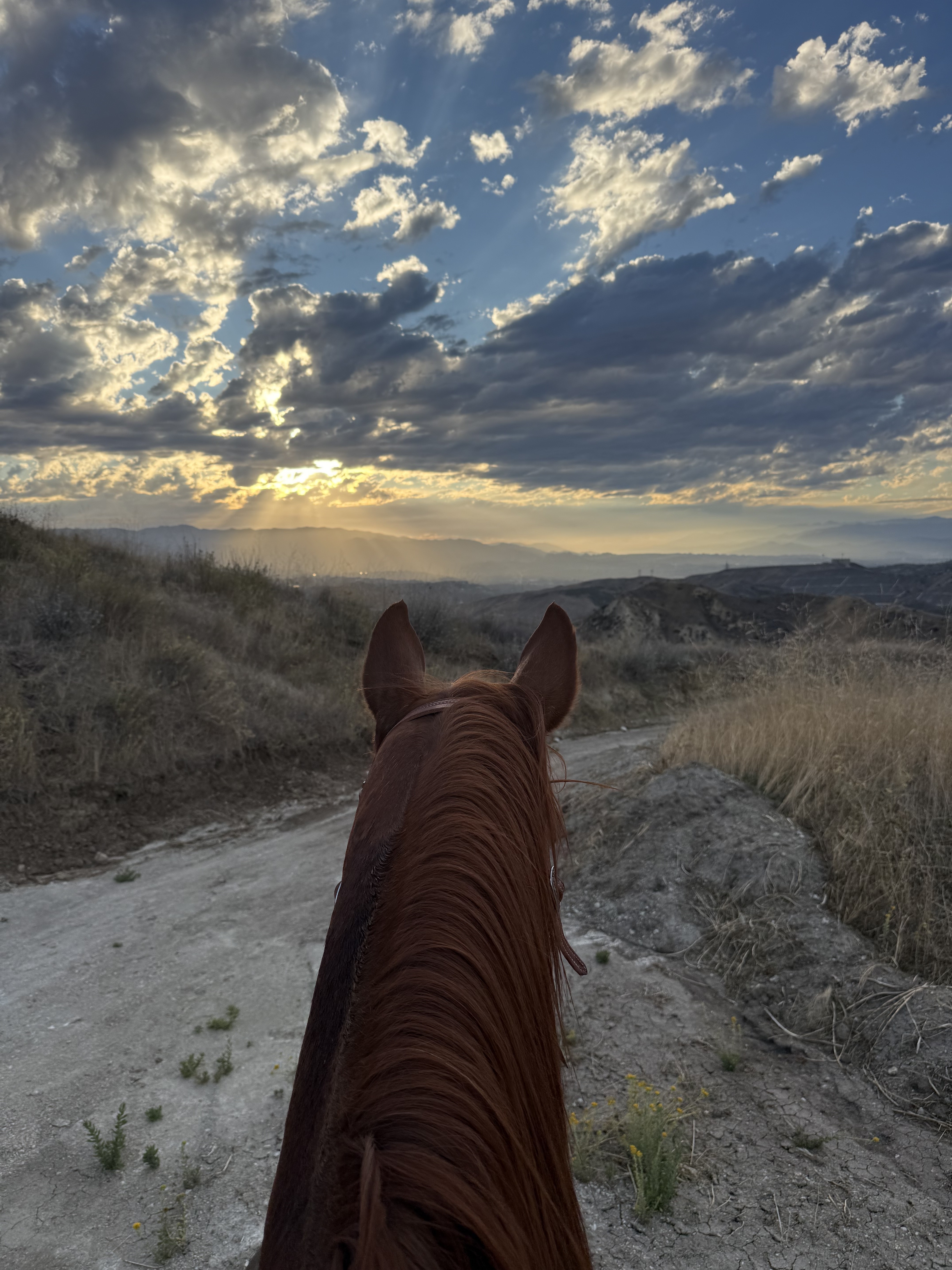
One of the most common misconceptions about real riding is that a “good” horse should be slow, dull, or completely unresponsive. In reality, a well-trained horse is one that is forward, attentive, and mentally present—not shut down or checked out.
Our horses are designed to move with purpose. They notice their environment, respond to the rider’s body, and carry energy without being reactive. This kind of horse creates a better riding experience, but it also asks more of the rider. Forward motion requires balance, clarity, and confidence—not force.
Forward-moving horses:
- Encourage riders to develop better balance and feel
- Respond honestly to clear, soft communication
- Stay mentally engaged instead of tuning out
This doesn’t mean the ride is chaotic or unsafe. It means the horse is alive to the moment. When riders meet that energy with calm awareness, the result is smooth, rhythmic movement that feels powerful and grounded rather than tense.
For riders used to passive trail horses, this can feel unfamiliar at first. But many quickly realize that forward energy actually creates more security, not less. A horse that wants to move, listen, and participate is easier to ride well than one that has learned to ignore everything.
Real riding isn’t about slowing a horse down—it’s about learning how to ride what’s already there.
Growth Lives Outside the Comfort Zone
Real riding doesn’t come from staying perfectly comfortable all the time. It comes from learning how to stay calm, aware, and capable when things feel new, unfamiliar, or slightly challenging. Growth happens in those in-between moments—when you’re learning to trust yourself, your horse, and the partnership you’re building together.
That doesn’t mean fear, pressure, or being pushed beyond your limits. It means being willing to engage with the ride instead of shutting down or handing off responsibility. Horses are incredibly honest mirrors, and they respond best to riders who can stay present even when the ride asks a little more.
Real riding often includes moments like:
- Navigating varied terrain instead of perfectly flat paths
- Riding through changes in pace, energy, or environment
- Learning to regulate your own body and breath when things feel different
These moments are where confidence is built. Not the loud, performative kind—but the quiet confidence that comes from knowing you can handle yourself and support your horse when it counts.
This is why real riding can feel transformative. You don’t just leave with photos or stories—you leave with a stronger sense of capability. Over time, riders begin to trust their instincts more, communicate more clearly, and approach challenges with curiosity instead of tension.
Comfort has its place. But growth lives just beyond it—and real riding gives you the opportunity to step there thoughtfully, with support, intention, and respect.
Why This Kind of Riding Isn’t for Everyone
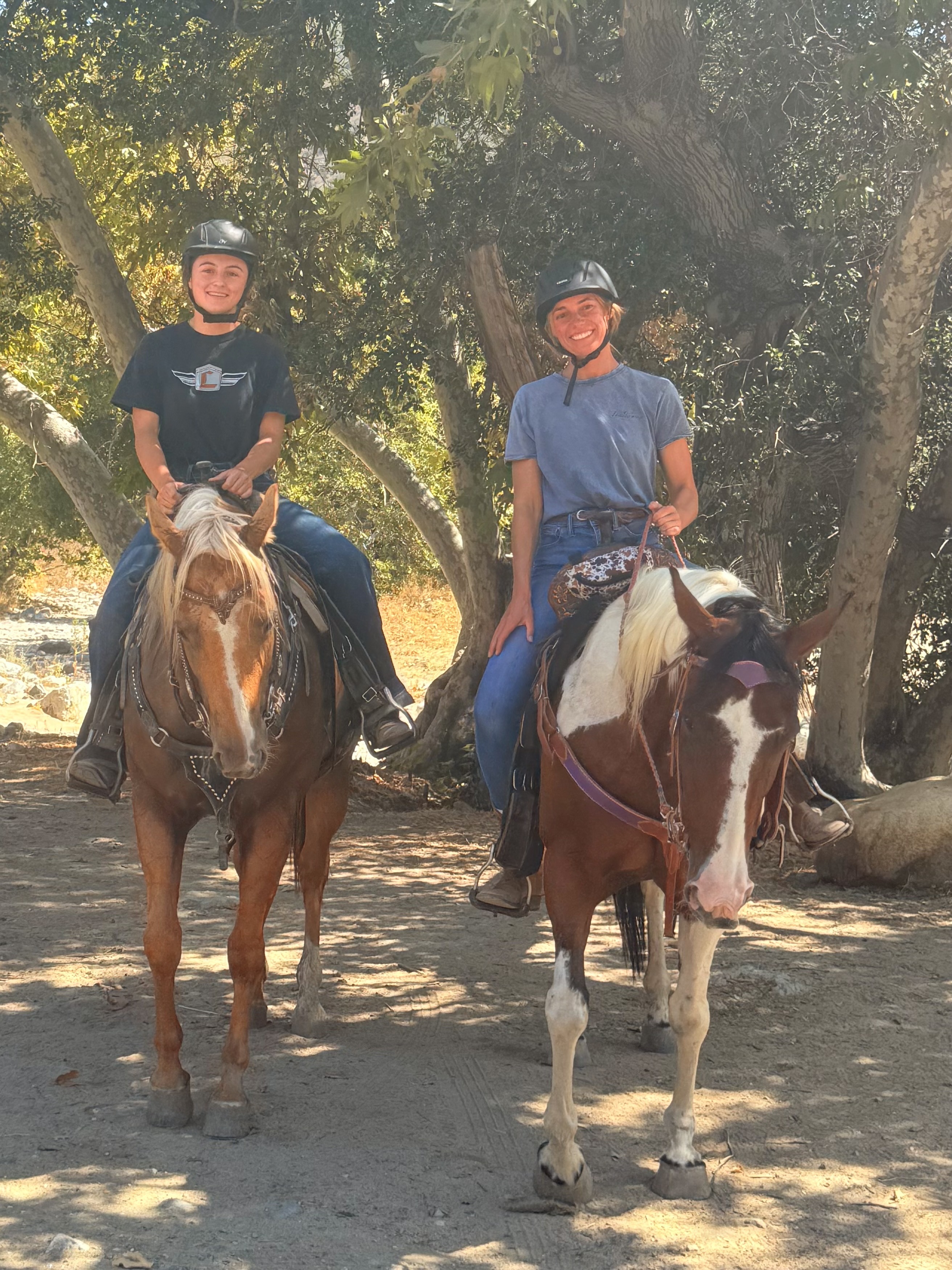
Real riding asks for honesty—from the rider and the program offering it. And the truth is, this style of riding doesn’t align with everyone’s goals, comfort level, or expectations. That’s not a failure or a flaw; it’s simply a matter of fit.
Some riders are looking for a completely passive experience—something predictable, slow, and carefully managed so they don’t have to think about balance, decision-making, or communication. Others want a guaranteed outcome every time, where the horse behaves the same way regardless of who’s in the saddle or what’s happening around them.
Real riding doesn’t work that way.
This approach may not be the right fit if you:
- Prefer to be led rather than participate actively
- Are uncomfortable with forward motion or responsive horses
- Want complete predictability on every ride
- Aren’t interested in learning through experience and repetition
Real riding requires a willingness to engage—to listen, adjust, and take responsibility for your role in the partnership. It asks riders to stay present rather than rely on external control. For some, that feels empowering. For others, it feels uncomfortable or unnecessary.
And that’s okay.
There are many ways to enjoy horses, and not every experience needs to look the same. We believe the best riding environments are the ones where expectations are clear and alignment is mutual. When riders choose this path because it genuinely resonates with them, the experience becomes safer, richer, and far more rewarding—for everyone involved.
Who Thrives in This Kind of Riding Environment
While this approach isn’t for everyone, it tends to resonate deeply with a specific kind of rider. These are people who aren’t looking to be entertained by horses, but to build something real with them—something that grows through time, consistency, and mutual effort.
Riders who thrive here are often:
- Comfortable taking responsibility for their ride
- Curious about how horses think and move
- Willing to learn through experience rather than instruction alone
- Drawn to environments that value trust over control
They don’t need to be perfect riders or experts. What matters more is mindset. A willingness to stay present, to adapt, and to respect the horse as a partner rather than a vehicle makes all the difference.
Many riders find that this style of riding offers something they didn’t even know they were missing. Without constant correction or micromanagement, they begin to develop their own feel and timing. Confidence grows naturally—not from being told what to do, but from realizing they can handle more than they thought.
This environment tends to attract riders who value depth over novelty, and connection over convenience. People who enjoy being outside, moving with intention, and engaging fully with the moment tend to feel at home here.
If that description resonates, real riding may not just be something you try—it may be something you commit to.
How This Approach Benefits the Horses
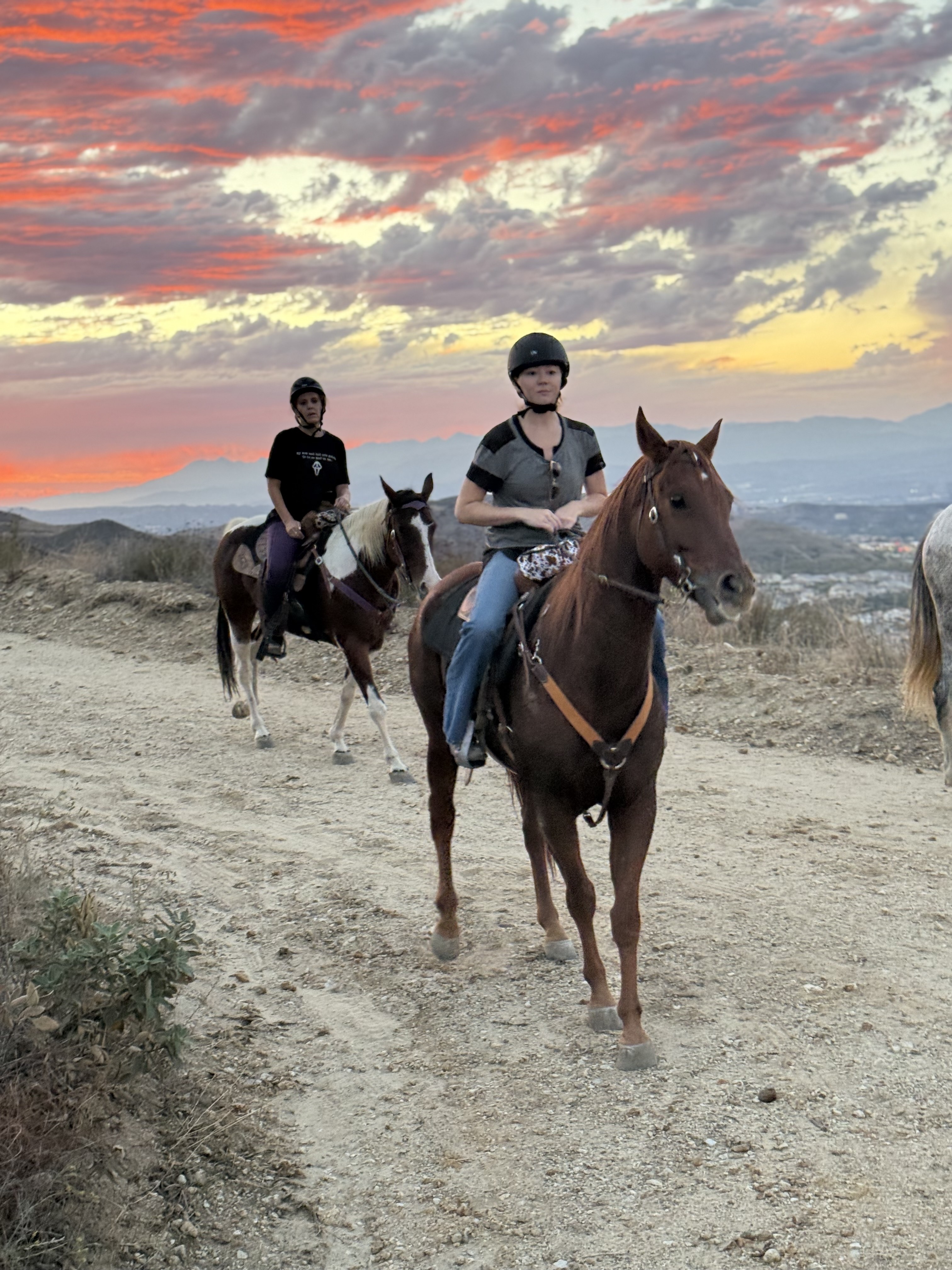
Real riding isn’t just better for riders—it’s better for horses, too. Horses thrive when their work has meaning, clarity, and consistency. When they’re treated as thinking, feeling partners rather than passive equipment, they stay healthier, happier, and more willing over time.
Our horses are not expected to shut down or ignore their environment. They’re encouraged to stay curious, engaged, and responsive, which allows them to use their bodies and minds the way they were designed to. This kind of work supports long-term soundness and emotional well-being.
When riding is done with intention:
- Horses stay mentally present instead of becoming dull or resistant
- Movement stays fluid and balanced rather than tense or forced
- Trust builds through clear, consistent communication
Because riders are asked to participate and improve, horses don’t have to compensate for confusion or imbalance as often. They’re given the space to move forward willingly, respond honestly, and relax into their role without being micromanaged or overcorrected.
This approach also allows each horse to be respected as an individual. Some are bold, some are thoughtful, some are playful—but all of them benefit from riders who listen and adapt rather than impose. Over time, this creates horses that are confident, versatile, and genuinely willing to do their jobs.
At the heart of real riding is mutual respect. When horses are given purpose, clarity, and fair partnership, they show up fully—and that’s when riding becomes something truly special.
What Riders Gain When They Commit to Real Riding
Over time, riders who commit to real riding begin to notice changes that extend far beyond the saddle. Confidence becomes quieter and more grounded. Decisions feel clearer. Communication with horses becomes more intuitive, less forced. Riding stops feeling like something you do and starts feeling like something you participate in.
This kind of riding builds:
- Confidence rooted in experience, not reassurance
- A stronger sense of timing, balance, and feel
- Trust—both in the horse and in yourself
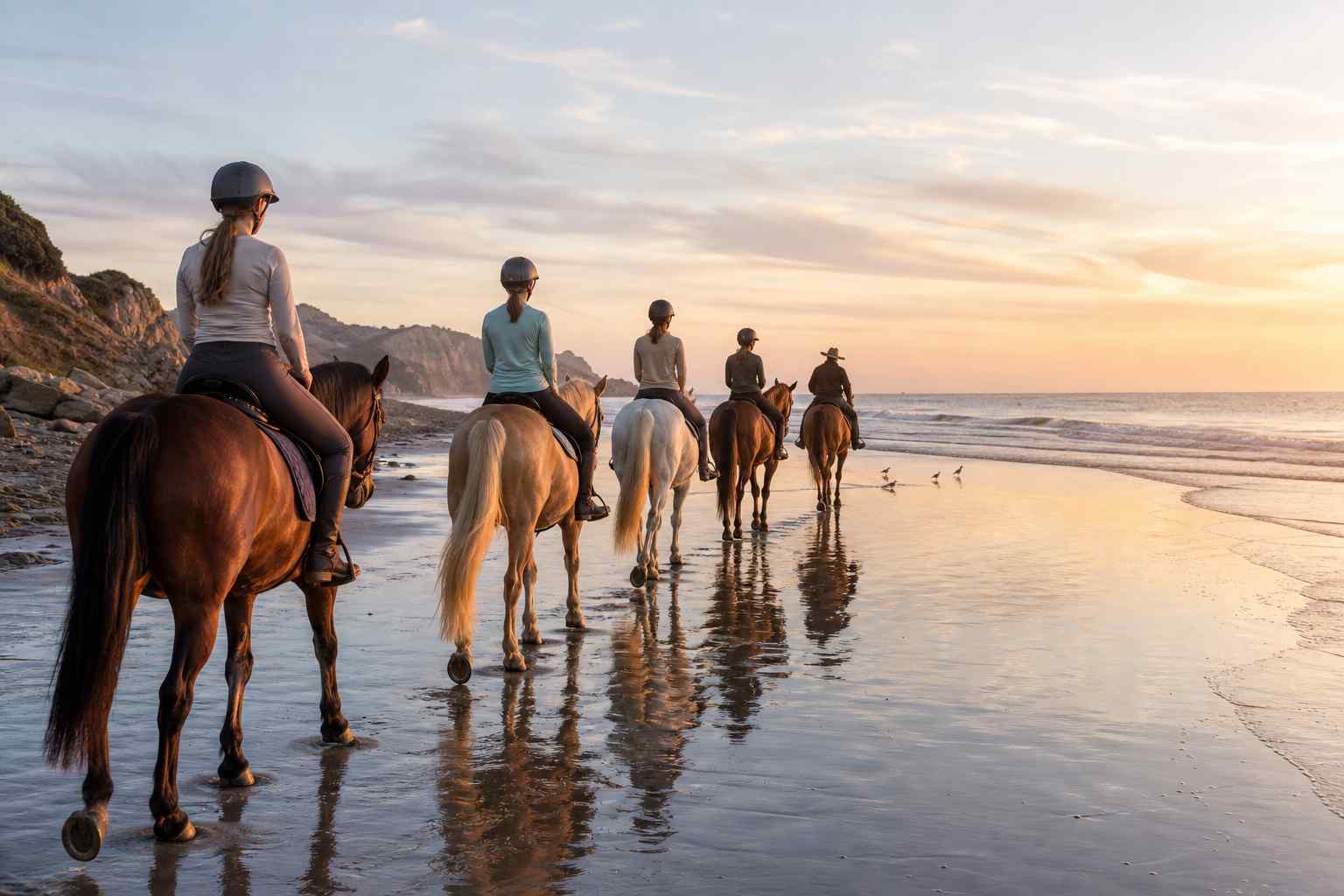
Many riders find that real riding offers a kind of reset. Time on the trail becomes a place to slow down, focus, and reconnect—with the horse, the landscape, and their own awareness. The world gets quieter. Priorities sharpen. What matters becomes simple.
This isn’t about riding harder or proving anything. It’s about riding with intention. Showing up consistently. Respecting the process. Over time, those small choices add up to something meaningful.
Real riding doesn’t promise perfection or predictability. What it offers instead is depth—an experience that grows with you, challenges you when needed, and rewards you with genuine partnership.
If that kind of riding speaks to you, you’re likely already on the path. And if you’re not, that’s okay too. The best riding experiences are the ones where expectations, values, and goals are aligned—from the very first step into the saddle.