Why Not Every Rider Is a Good Match for Every Horse
Discover why rider-horse fit matters for safer, confident rides. Honest tips for partnerships on horseback riding trails Los Angeles, Southern California.
The Myth of “One Horse Fits All”
There’s a common idea in the horse world that a truly “good” horse should be able to carry anyone, tolerate anything, and perform the same way no matter who’s in the saddle. It’s a comforting belief—but it’s not a realistic or fair one, especially for the horses.
Horses aren’t interchangeable tools. They’re individuals with their own temperaments, sensitivities, strengths, and boundaries. Just like people, some thrive with quiet confidence, others need clarity and decisiveness, and some require a rider who understands how to stay soft while still being present. Expecting one horse to be the right match for every rider ignores the complexity of what makes riding work in the first place.
This myth often puts pressure in the wrong places. Riders may feel discouraged or embarrassed if a particular horse feels challenging, while horses may be asked to compensate for mismatches in balance, energy, or communication. Neither outcome serves anyone well.
Acknowledging that not every rider is a good match for every horse isn’t about exclusion or judgment—it’s about honesty. It’s about recognizing that safety, confidence, and progress come from alignment, not from forcing a pairing to work simply because it’s convenient or expected.
When we let go of the idea that every horse should suit every rider, we create space for better partnerships to form—ones where both horse and rider feel understood, supported, and set up to succeed.
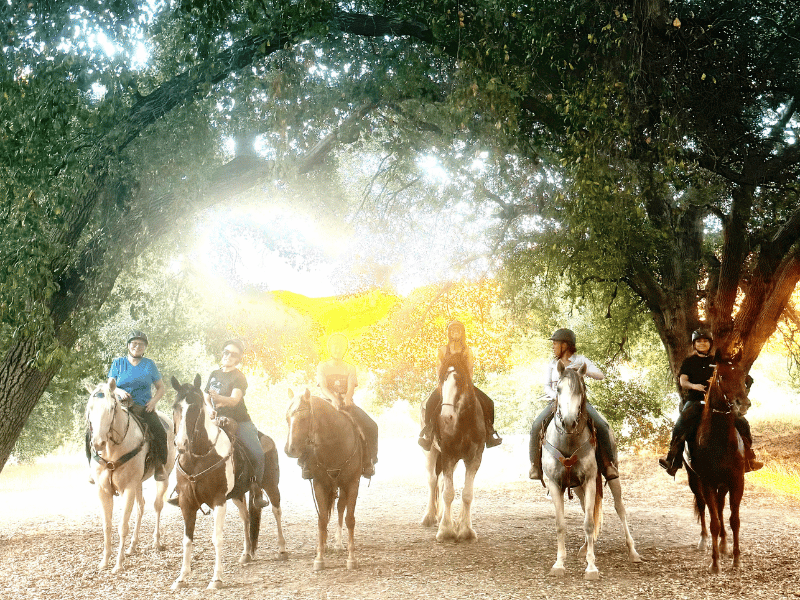
Horses Are Individuals, Not Interchangeable
Every horse brings a unique combination of temperament, sensitivity, athleticism, and experience to the partnership. Even horses of the same breed, training background, or discipline can feel completely different under saddle. This individuality is what makes horses extraordinary—but it’s also why thoughtful matching matters so much.
Some horses are naturally bold and forward, thriving with riders who are calm, balanced, and confident in their decisions. Others are more sensitive, responding best to softness, consistency, and clear intention. Neither is better or worse—they’re simply different.
A horse’s comfort and success depend on factors like:
- How they process pressure and release
- How much guidance they need from their rider
- How they respond to energy, tension, or uncertainty
When a rider and horse are well-matched, communication feels easier. The horse stays more relaxed and willing, and the rider feels supported rather than challenged at every moment. When the match is off, both parties often work harder than necessary—leading to frustration, fatigue, or misunderstanding.
Recognizing horses as individuals isn’t about limiting opportunity; it’s about honoring who they are. When we respect each horse’s personality and needs, we create partnerships that are safer, more productive, and far more rewarding for everyone involved.
Skill Level Matters — But Mindset Matters More
It’s easy to assume that matching a horse to a rider is primarily about skill level. While experience absolutely plays a role, it’s only one part of the equation. Two riders with similar technical ability can feel completely different to a horse depending on their mindset, awareness, and emotional regulation.
Horses don’t respond to labels like “beginner” or “advanced.” They respond to what’s actually happening in the moment—balance, tension, clarity, hesitation, confidence. A rider who is calm, curious, and willing to listen often creates a better partnership than a technically stronger rider who is rigid, distracted, or frustrated.
What matters most to a horse is often:
- How clearly the rider communicates
- How the rider responds when something feels difficult
- Whether the rider can stay present instead of reactive
This is why some riders surprise themselves by feeling more comfortable on a horse they initially thought would be “too much,” while others struggle on horses labeled as “easy.” The fit isn’t about ego or titles—it’s about how two nervous systems interact.
When riders understand that mindset plays such a big role, it opens the door to better self-awareness. Instead of asking, “Is this horse good or bad?” the question becomes, “What does this horse need from me right now?” That shift alone can transform the experience.
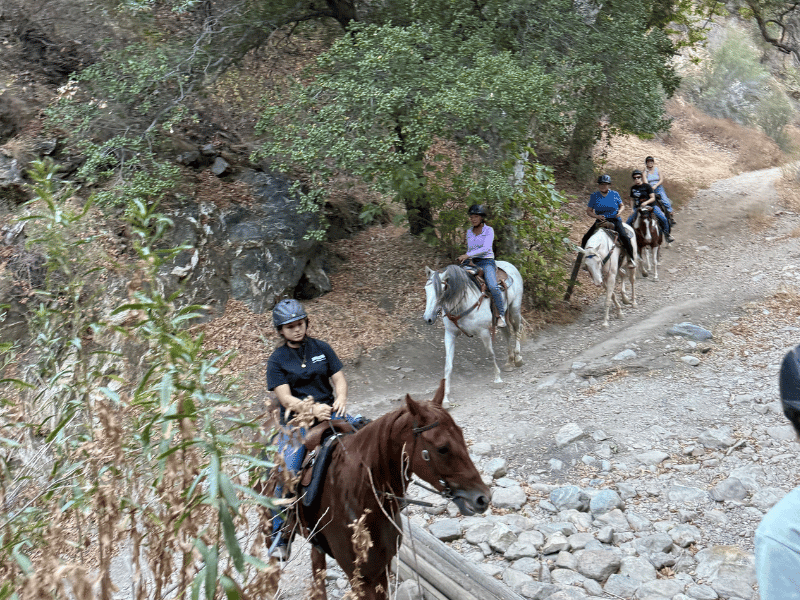
Why “Making It Work” Isn’t Always the Right Answer
There’s often pressure—spoken or unspoken—to make a pairing work no matter what. Riders may feel like switching horses means they’ve failed, or that asking for a different match reflects poorly on their ability. In reality, forcing a mismatched partnership usually creates more problems than progress.
When a rider and horse aren’t well aligned, both end up compensating. The rider works harder to manage tension or uncertainty, while the horse works harder to interpret unclear communication. Over time, this can erode confidence on both sides.
Common signs of a mismatched pairing include:
- A rider feeling constantly overwhelmed or guarded
- A horse becoming tense, dull, or resistant
- Progress stalling despite effort from both sides
Choosing not to “push through” in these situations isn’t giving up—it’s being thoughtful. Sometimes the most responsible decision is to pause, reassess, and make adjustments that support both horse and rider in the long term.
Letting go of the idea that every situation must be forced to work creates space for learning. It allows riders to build confidence in environments where they can succeed, and it protects horses from being asked to carry confusion or stress that doesn’t belong to them.
Real riding values honesty over pride. When we stop trying to make mismatches work at all costs, we open the door to better outcomes for everyone involved.
Responsibility to the Horse Comes First
At the center of every riding decision is the horse. They don’t choose their riders, their environment, or the expectations placed on them. That responsibility falls to the people who handle, pair, and ride them—and it’s one we take seriously.
Choosing the right match isn’t about convenience or ego. It’s about protecting the horse’s physical and mental well-being. When a horse is consistently placed with riders who don’t yet have the balance, confidence, or awareness to support them, the horse often ends up absorbing that strain. Over time, this can show up as tension, resistance, or withdrawal.
Putting the horse first sometimes means:
- Saying no to a pairing that isn’t in the horse’s best interest
- Choosing a different horse even when expectations say otherwise
- Prioritizing long-term soundness and willingness over short-term outcomes
These decisions aren’t always easy, especially when riders are eager or emotionally invested. But clear, thoughtful boundaries protect trust. Horses that feel understood and fairly treated remain willing partners, capable of doing their jobs with confidence and longevity.
Responsibility to the horse also means allowing them to have preferences. Some horses thrive with quieter riders. Others need clarity and direction. Matching horses thoughtfully isn’t limiting—it’s what allows them to stay honest, engaged, and happy in their work.
Real riding is grounded in respect. And respect begins with making choices that serve the horse, even when those choices require patience, adjustment, or humility.
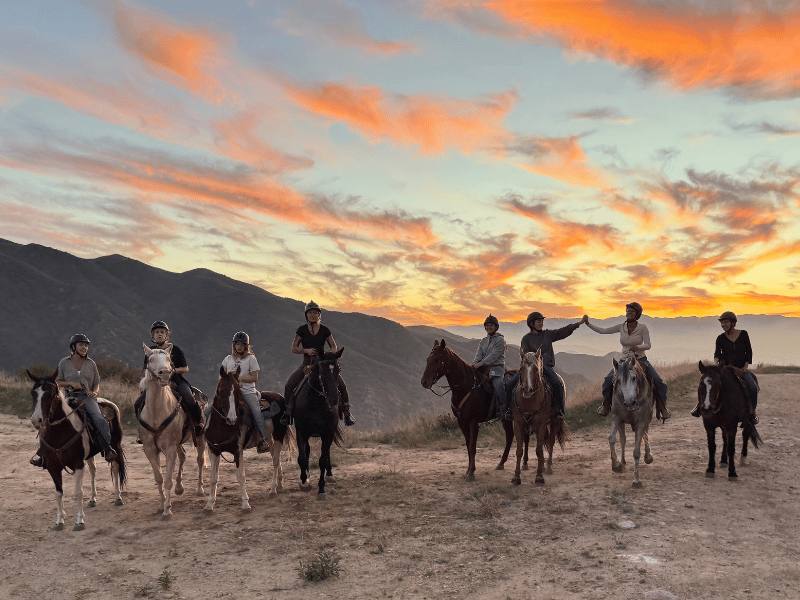
What a Good Match Actually Looks Like
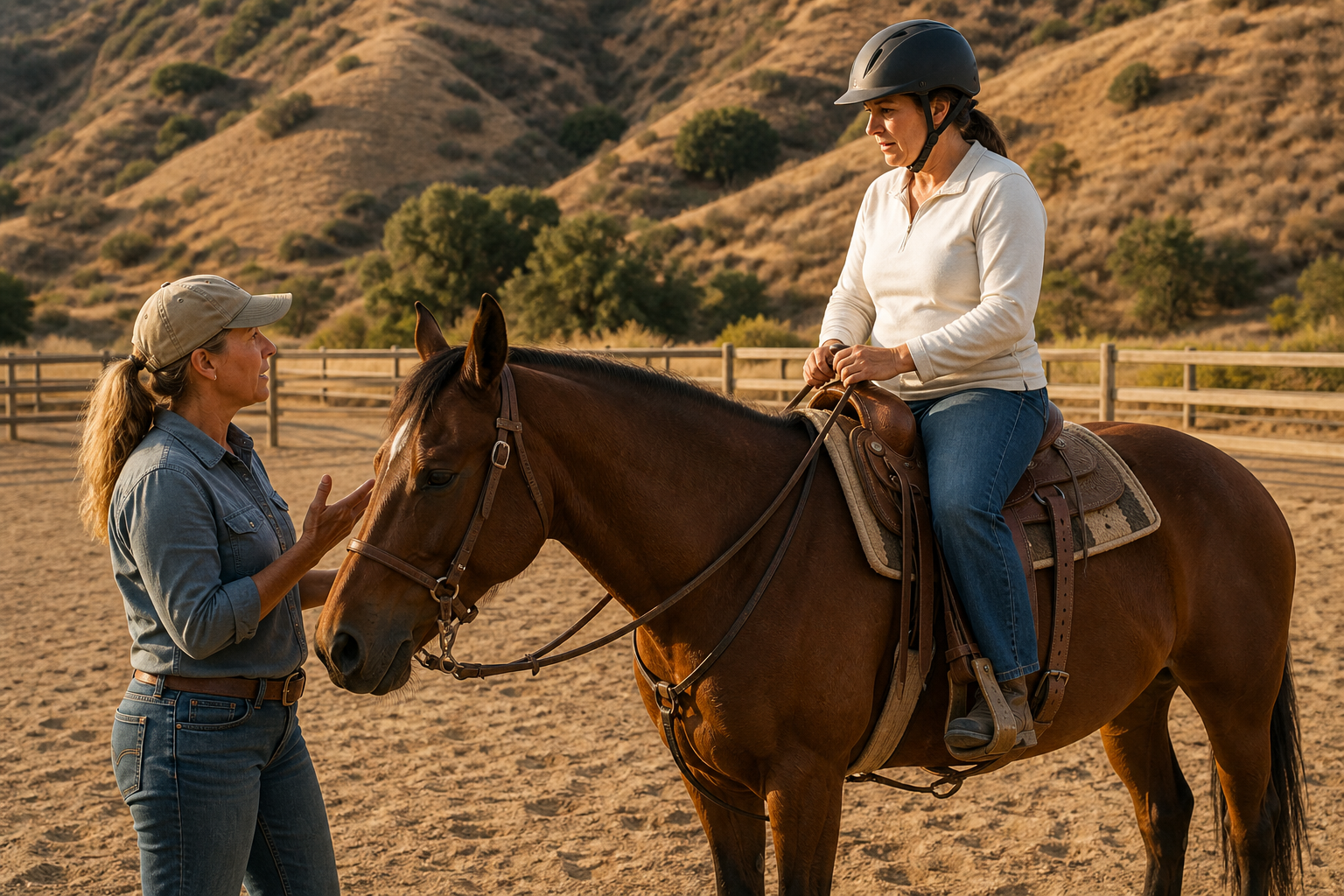
A good match doesn’t mean everything feels effortless or easy from the very first ride. It means the challenges feel manageable, the communication feels possible, and both horse and rider leave the ride more confident than when they started.
When a pairing is aligned, there’s a sense of mutual understanding—even when the work asks for focus or effort. The rider feels supported rather than tested, and the horse stays willing, relaxed, and engaged in their job.
In a well-matched partnership:
- The rider feels challenged but not overwhelmed
- The horse stays responsive without tension or shutdown
- Communication improves with each ride instead of breaking down
Good matches allow room for growth. Riders can learn without feeling constantly on edge, and horses don’t have to brace or compensate for confusion. Progress happens naturally because both sides are operating within a space that encourages trust and clarity.
This doesn’t mean the horse is “easy” or the rider never struggles. It means the pairing allows mistakes to become information rather than sources of frustration. Over time, these partnerships build confidence, competence, and a deeper understanding on both sides.
A good match creates momentum—not because everything is perfect, but because both horse and rider are set up to succeed together.
Why Mismatches Aren’t Failures — And What They Teach Us
A mismatched horse-and-rider pairing isn’t a sign that something has gone wrong. It’s simply information. It tells us something about timing, readiness, energy, or needs—and that information is valuable when we’re willing to listen to it.
In the horse world, there’s often an unspoken pressure to “push through” discomfort or to view difficulty as something that must be overcome at all costs. But real riding asks for a different kind of honesty. Sometimes the most skillful choice is recognizing when a pairing isn’t serving either side and being willing to adjust.
Mismatches can teach us:
- What kind of support helps us ride with more confidence
- What qualities in a horse bring out our best riding
- Where there’s room to grow—without forcing the process
When riders are given permission to learn without comparison, and horses are protected from being placed in situations that don’t suit them, trust stays intact. Both horse and rider remain open, willing, and curious rather than guarded or discouraged.
The goal of thoughtful matching isn’t perfection—it’s alignment. When expectations, abilities, and energy are in sync, riding becomes safer, more rewarding, and more sustainable over time.
Not every pairing is meant to work. And when we accept that with clarity and compassion, everyone involved—horse and human—benefits.