Horseback Riding Near Me on the Beach: How to Choose the Right Experience
A practical guide to horseback riding on the beach: when to go, safety and horse care, etiquette, and thoughtful gift ideas for birthdays and holidays.
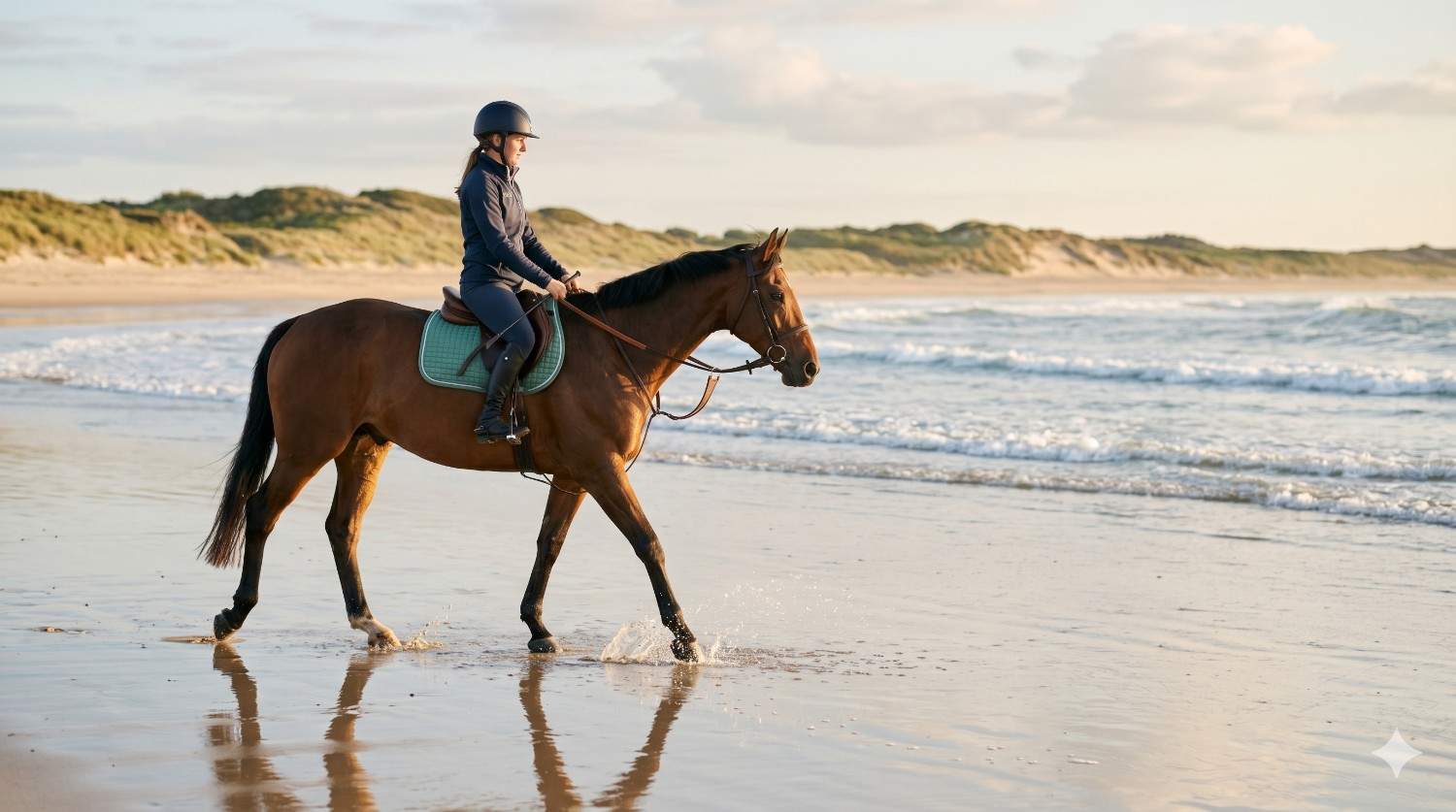
The shoreline has always called to riders, offering a unique blend of sensory experiences and natural beauty. Horseback riding on the beach is more than just a picturesque outing; it is an opportunity to connect with nature, experience the rhythm of the ocean, and create lasting memories. This comprehensive guide will help you navigate the essential aspects of planning your oceanfront ride, from understanding the sensory landscape to ensuring the welfare of your equine companion. We will explore the best times to ride, what to wear, and how to turn this unforgettable experience into a meaningful gift.
Whether you are a seasoned equestrian or a curious beginner, understanding the nuances of beach riding is crucial for a safe and enjoyable experience. This guide will provide practical insights into accessing coastal trails, reading tide tables, and respecting the environment. By the end of this article, you will be well-equipped to plan a mindful and exhilarating beach horseback riding adventure that honors both the animal and the natural landscape.
Why Beaches Create a Unique Horseback Experience
The allure of horseback riding on the beach lies in its distinct sensory landscape. The interplay of light, wind, sound, and terrain creates an environment that is profoundly different from traditional trail riding. These elements significantly influence both the rider's focus and the horse's relaxation, making oceanfront rides a truly unique experience.
How Does the Sensory Landscape Influence the Ride?
The rhythm of crashing waves, the expansive open horizons, and the invigorating sea air combine to shape a calm and attentive ride. The rhythmic sound of the ocean can have a soothing effect on horses, helping them to relax and find a steady pace. The vastness of the horizon encourages riders to look ahead, improving their posture and balance. The constant breeze can also help keep both horse and rider cool, enhancing the overall comfort of the experience.
What Impact Does Sand Have on the Ride?
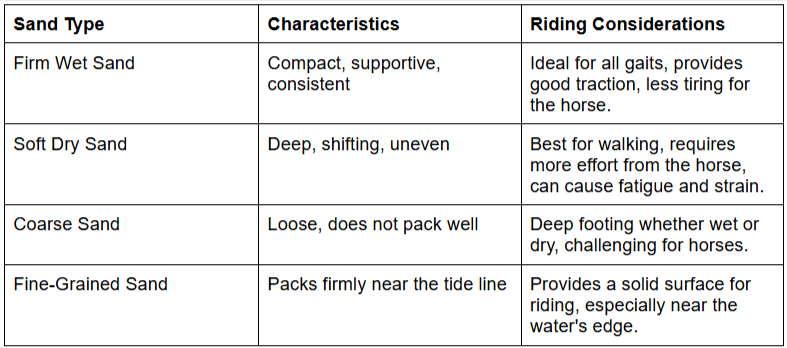
The terrain of the beach presents unique challenges and opportunities for horseback riding. The footing varies significantly depending on the sand's composition and moisture level. Firm, wet sand near the tide line provides excellent traction and support, making it ideal for walking and trotting. In contrast, soft, dry sand can be deep and shifting, requiring more effort from the horse and potentially causing strain on their tendons and ligaments.
How Do Wildlife and Coastal Context Shape the Experience?
Riding along the coast offers unparalleled opportunities to observe wildlife in their natural habitat. Birds, sea life, and coastal vegetation are integral parts of the beach ecosystem. It is essential to view wildlife from a respectful distance, ensuring that your presence does not disturb their natural behaviors. Seasonal nuances, such as bird migrations or turtle nesting seasons, can also shape the experience and dictate where and when you can ride.
Access and Legality: Finding a Beach Where Horses Are Welcome
Before planning your horseback riding on the beach adventure, it is vital to navigate the rules and regulations governing coastal access. Permissions vary widely by location, and understanding these guidelines ensures a legal and respectful experience.
What Regulations Should You Check Before Riding?
Local ordinances, permits, designated access points, and posted restrictions are critical factors to consider. Many beaches require specific permits for horseback riding, and access may be limited to certain areas or times of the year. Seasonal closures are common, particularly for protecting nesting wildlife or preventing erosion. It is crucial to research these regulations thoroughly before heading to the beach.
How Can You Ensure Safety and Public Use?
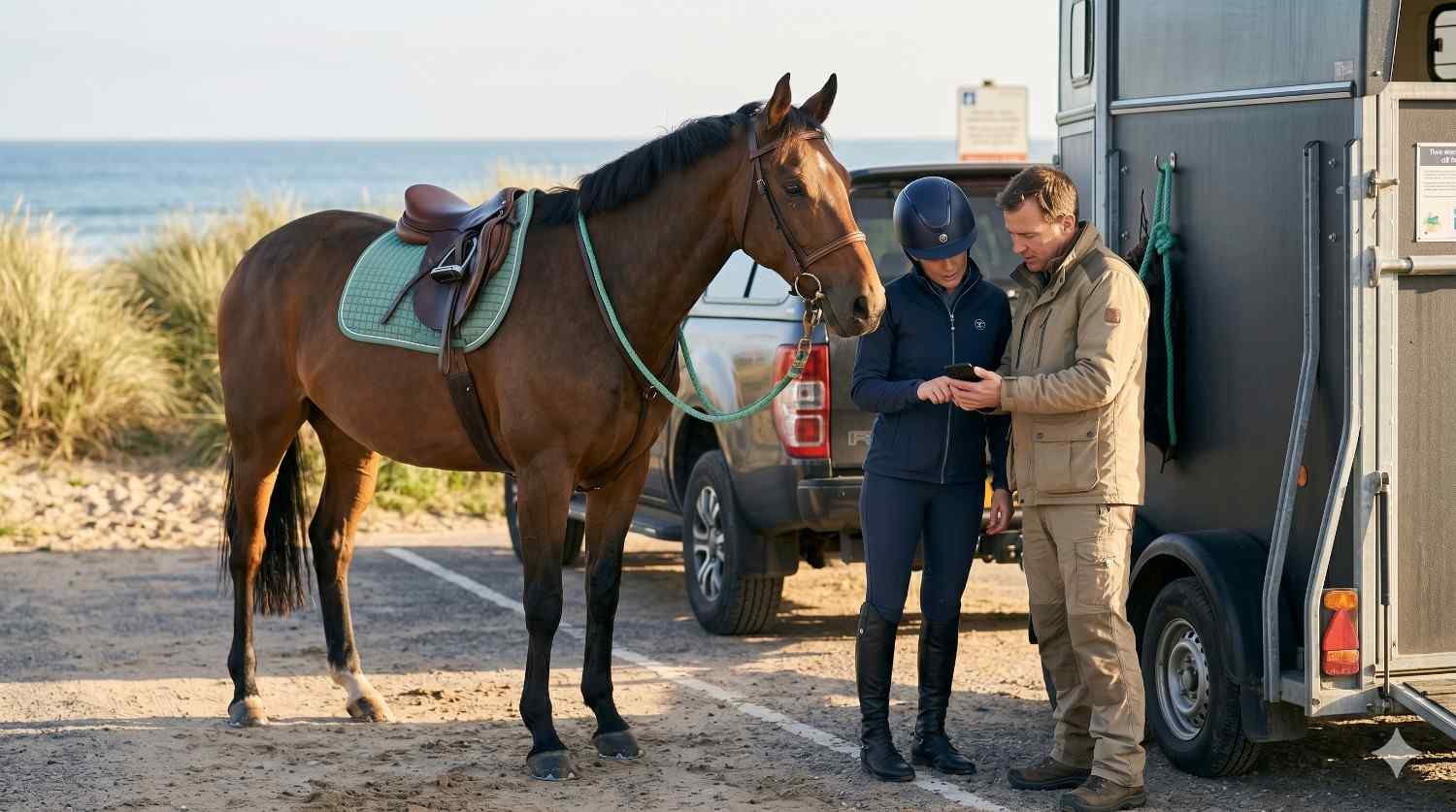
Sharing the beach with other users, such as walkers, dogs, and anglers, requires courtesy and awareness. Establishing the right-of-way and practicing safe passing techniques are essential for preventing accidents and ensuring a positive experience for everyone. Always pass people at a walk, and be prepared to yield to pedestrians. Additionally, consider the logistics of parking, trailer access, and finding safe mounting areas.
Where Should Your Research Begin?
To find accurate and up-to-date information on beach access, consult municipal or parks department websites, coastal management resources, and local equestrian organizations. These sources can provide detailed information on permits, designated trails, and any temporary closures or restrictions.
Timing and Tides: When the Beach Is Best for Horses and Humans
Timing is everything when it comes to horseback riding on the beach. Choosing the right time of day and understanding tide levels are crucial for enhancing safety and enjoyment.
Why Are Tide Tables Important for Beach Riding?
Reading tide tables is an essential skill for any beach rider. Low tide often provides the firmest footing and the most space for riding, as the receding water exposes a wide expanse of compact sand. Planning your ride duration around incoming tides is vital to avoid getting caught in rising water or being forced onto softer, more challenging terrain. A general rule of thumb is to ride within two hours of low tide for optimal conditions.
How Do Light, Weather, and Wind Affect the Ride?
The time of day significantly impacts the atmosphere and comfort of your ride. Morning calm offers a serene experience with cooler temperatures, while the golden hour provides stunning light for photography. Heat management is crucial during the middle of the day, as the sun's reflection off the water and sand can intensify the heat. Wind effects on the sand and the horse's alertness should also be considered, as strong gusts can create challenging riding conditions.
What Seasonal Factors Should Be Considered?
Seasonal changes bring different nuances to the beach riding experience. Water temperature, crowd levels, and storm seasons all play a role in planning your ride. Flexibility is key, as weather conditions can change rapidly on the coast. Having backup plans and being prepared to adjust your schedule based on the forecast ensures a safe and enjoyable outing.
Rider Readiness: Skills, Clothing, and Essentials
Setting expectations for first-time and occasional riders is essential for ensuring confidence and comfort. Proper preparation and understanding of skill levels contribute to a successful beach ride.
How Do Skill Levels and Group Pace Affect the Ride?
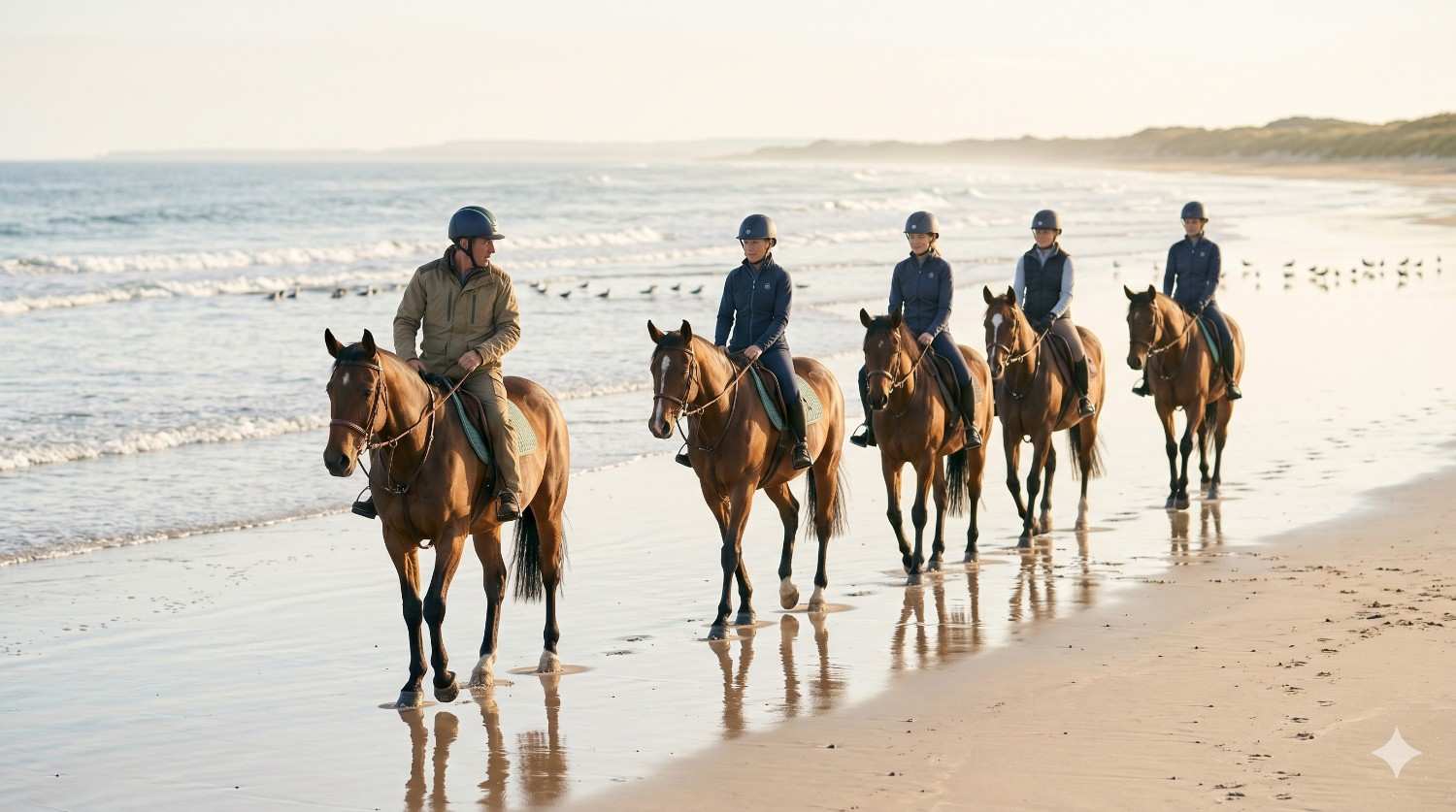
Typical beach rides for beginners focus on walking, allowing riders to acclimate to the environment and the horse's movement. Brief trot sections may be included if the riders feel comfortable. Group rides often maintain a single-file formation, with guides setting a steady pace that accommodates the least experienced rider in the group.
What Should You Wear and Bring for a Beach Ride?
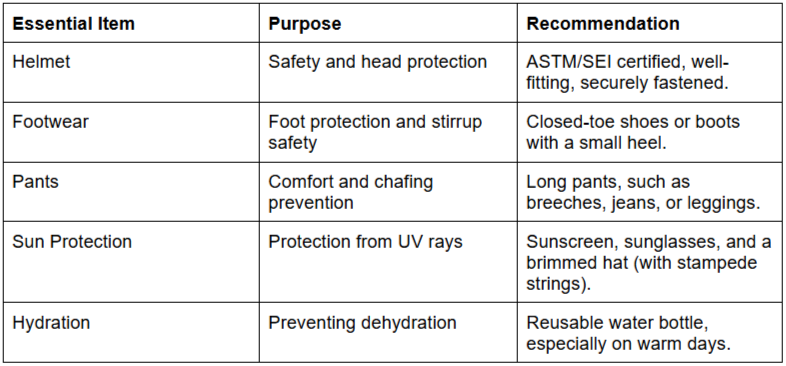
Dressing appropriately for a beach ride is crucial for comfort and safety. Essential gear includes a well-fitting helmet, closed-toe shoes with a small heel, and long pants to prevent chafing. Sun protection, such as sunscreen and a brimmed hat, is also important. Layered clothing allows you to adjust to changing temperatures, and a reusable water bottle ensures you stay hydrated. Secure pockets or a waterproof phone pouch are recommended for carrying essentials.
What Are the Safety Basics for Beach Riding?
Understanding basic safety protocols is essential for a smooth and enjoyable ride. Proper mounting etiquette, maintaining safe spacing between horses, and listening attentively to your guide's instructions are fundamental. Calm handling near the surf is particularly important, as the sound and movement of the waves can startle horses.
Horse Welfare and Coastal Stewardship
Ethical considerations are paramount when planning a beach ride. Protecting the welfare of the horses and preserving the coastal environment are shared responsibilities that ensure the sustainability of this activity.
How Can You Ensure the Welfare of the Horse?
Caring for the horse involves making informed decisions about footing, pace, and rest. Selecting firm footing minimizes strain on the horse's legs, while being aware of heat stress and providing access to fresh water are crucial for their well-being. A post-ride rinse is essential to remove salt and sand from the horse's coat and tack, preventing irritation and equipment damage. Respecting the animal's physical limits through appropriate rest intervals and weight considerations is also vital.
What Practices Protect the Beach Environment?
Protecting the beach environment requires conscious effort and respect for natural habitats. Staying off dunes and sensitive vegetation prevents erosion and habitat destruction. Respecting closures, packing out all waste, and avoiding disturbing wildlife are essential practices for responsible coastal stewardship. Using designated paths and access points minimizes the impact of equestrian activities on the shoreline.
What Do Responsible Operations Prioritize?
When choosing a guided ride, look for operations that prioritize visible welfare practices, clear safety briefings, and tide-aware scheduling. Responsible outfitters demonstrate a commitment to the health and well-being of their horses and the preservation of the coastal environment.
What to Expect on a Guided Beach Ride
Providing a step-by-step preview of a guided horseback riding on the beach experience helps reduce uncertainty and allows riders to assess whether the activity is a good fit for them.
What Happens Before You Mount?
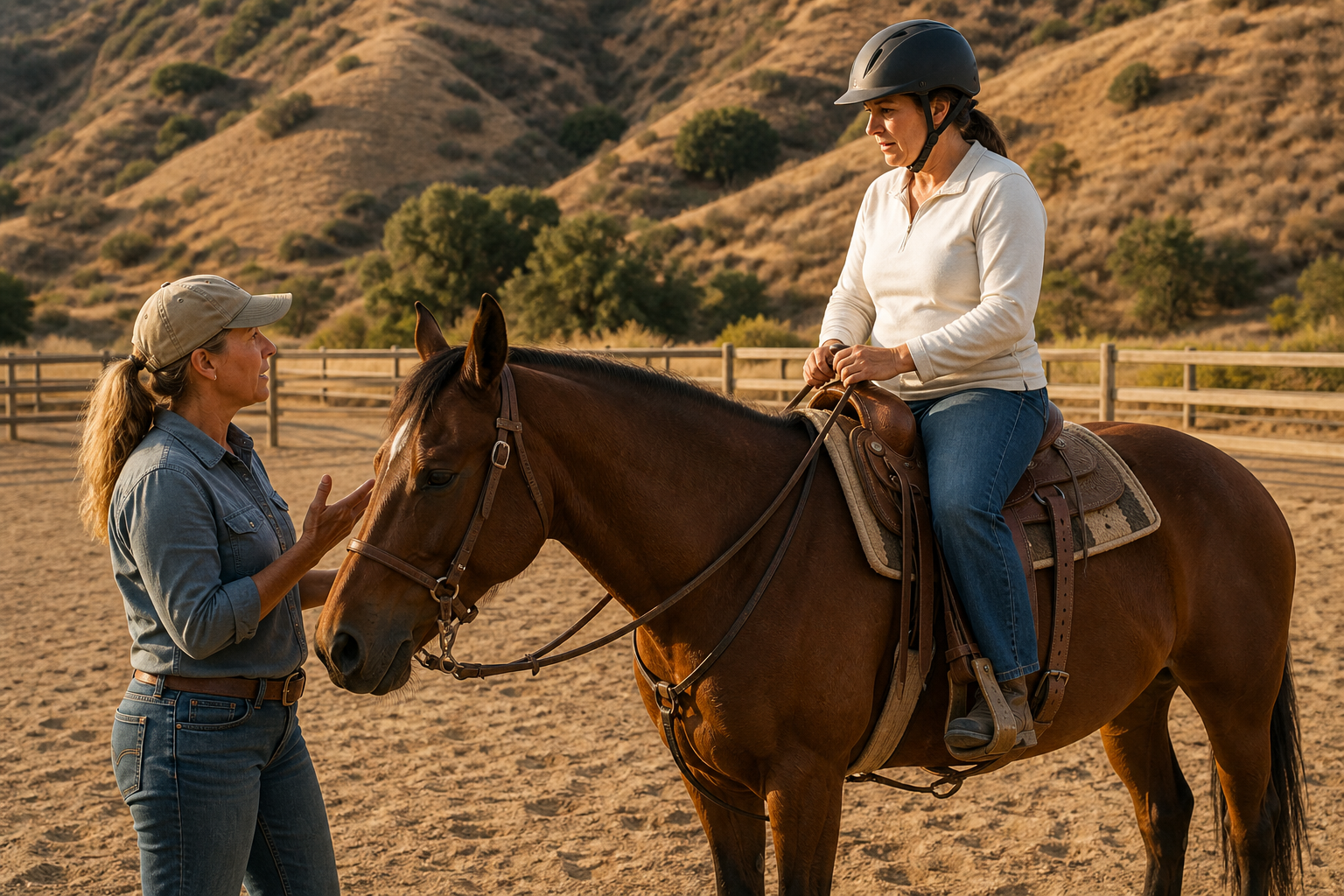
The experience typically begins with a check-in process, which may include signing waivers and receiving a safety briefing. Riders are fitted with helmets and provided with basic instruction on steering, stopping, and communicating with their horse. A mounting block is often used to assist riders in getting onto the horse safely and comfortably.
What Is the Experience Like on the Shoreline?
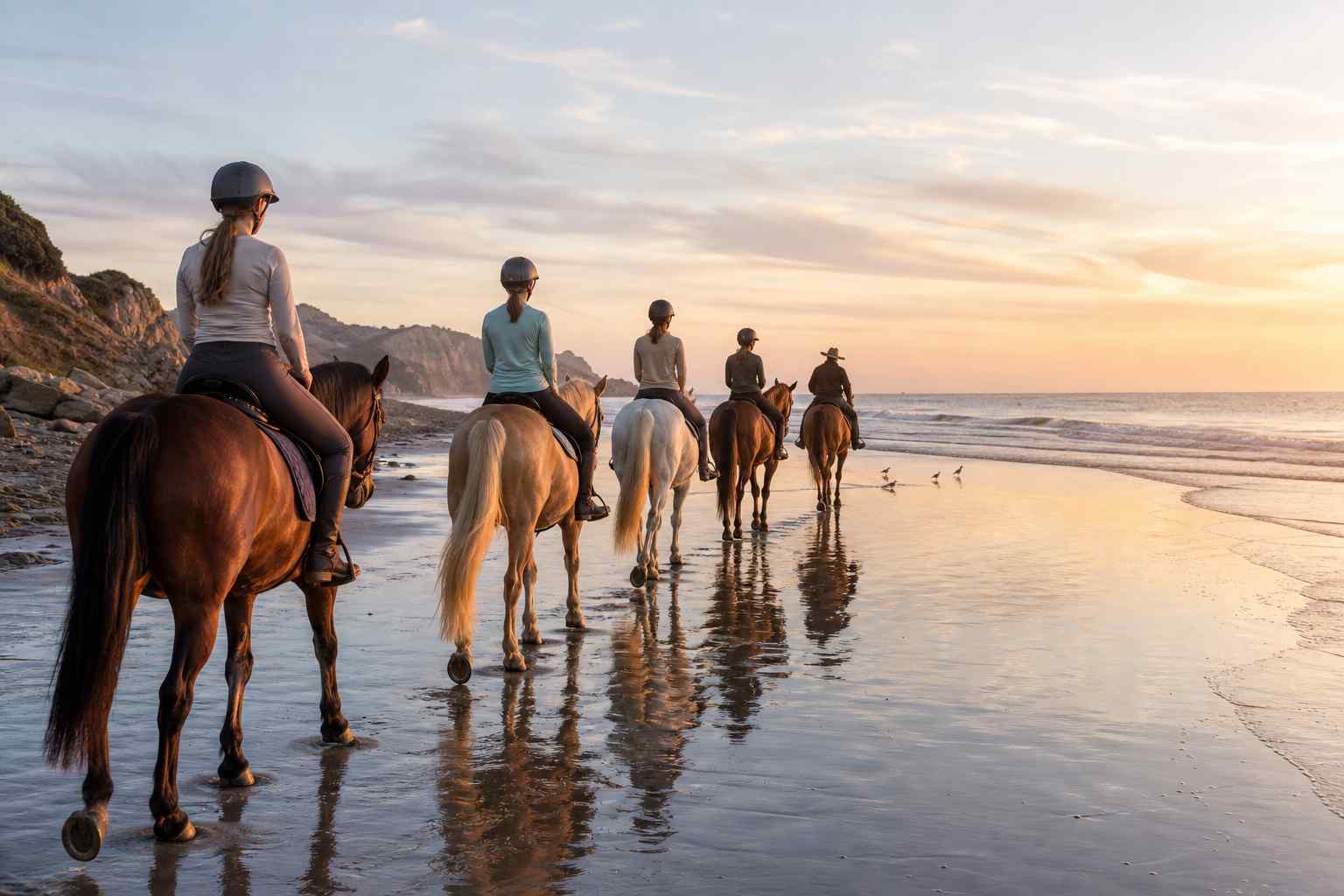
Once on the beach, the group typically forms a single-file line, maintaining safe spacing between horses. Guides lead the way, steering the group away from soft sand patches, driftwood, and other potential hazards. Photo stops are often incorporated into the ride, with guides managing the group to ensure everyone has an opportunity to capture the moment without blocking other beach users.
How Are Weather and Contingencies Handled?
Weather conditions on the coast can be unpredictable. Wind shifts, tide changes, and sudden storms may require adjustments to the planned route or duration of the ride. Guides are trained to handle these contingencies safely and efficiently. It is important to be aware of the outfitter's cancellation policies and to remain flexible in the event of inclement weather.
Turning a Beach Ride into a Thoughtful Gift
A beach horseback ride is a memorable and unique experience that makes an exceptional gift for birthdays, holidays, and special milestones.
How Do You Match the Ride to the Recipient?
When gifting a beach ride, consider the recipient's comfort level with horses, their physical accessibility needs, and their scheduling preferences. Choose a ride duration and pace that aligns with their experience level, and select a time of day that fits their schedule and preferences, such as a morning ride or a sunset excursion.
What Are Some Creative Presentation Ideas?
Presenting the gift in a thoughtful and creative way enhances the experience. Consider including a printed tide chart with a handwritten note explaining the significance of the timing. A small seashell keepsake box or a framed "IOU" featuring a beautiful beach photo can also make the presentation more special and tangible.
What Practical Add-Ons Can Enhance the Gift?
Including practical add-ons ensures a smooth and enjoyable experience for the recipient. Providing a list of suggested attire, coordinating transportation to and from the beach, and offering weather backup dates demonstrate thoughtfulness and attention to detail.
Photos and Memories: Capturing the Moment Safely
Documenting your beach ride is a wonderful way to preserve the memories, but it is important to do so without compromising safety or etiquette.
How Can You Optimize Light and Composition?
Taking advantage of the golden hour—the time shortly after sunrise or before sunset—provides soft, flattering light for photography. Pay attention to horizon placement and avoid harsh midday glare, which can wash out colors and create unflattering shadows.
What Are the Best Phone and Gear Tips?
Securing your camera or phone is crucial when riding. Wrist straps, zippered pockets, and waterproof cases help protect your gear from sand and saltwater. Be prepared to clean your equipment carefully after the ride to remove any abrasive sand particles.
What Are Group-Friendly Photography Practices?
When riding in a group, practice courteous photography habits. Utilize designated pull-out spots for photos, communicate your intentions with your guide, and ensure that your actions do not startle the horses or disrupt the flow of the ride.
Conclusion: The Meeting Point of Horse, Human, and Sea
Horseback riding on the beach is a profound experience that brings together the beauty of the natural world, the strength and grace of the horse, and the spirit of adventure. By prioritizing informed planning, tide-wise timing, rider readiness, horse welfare, and coastal respect, you can ensure a safe and unforgettable journey.
The most meaningful rides are those that honor both the animal and the place. Whether you are embarking on a personal adventure or gifting the experience to a loved one, carrying this ethos of respect and stewardship will enrich the journey and create memories that last a lifetime.
Frequently Asked Questions
Is horseback riding on the beach safe for beginners?
Yes, beach riding can be safe for beginners when organized by a reputable outfitter. Guided rides for novices typically focus on walking and are conducted on firm sand, ensuring a controlled and comfortable experience.
What should I wear for a beach horseback ride?
Wear a well-fitting helmet, closed-toe shoes with a small heel, and long pants to prevent chafing. Sun protection, layered clothing, and a secure pocket or pouch for your phone are also recommended.
What time of day is best for horseback riding on the beach?
The best time depends on the tides and weather. Generally, riding within two hours of low tide provides the best footing. Early mornings offer calm conditions, while late afternoons provide beautiful light for photography.
How do tides affect beach rides?
Tides dictate the amount of rideable beach and the quality of the footing. Low tide exposes firm, wet sand, which is ideal for riding. High tide limits space and may force riders into softer, more challenging sand.
Are there age or weight limits for participants?
Most outfitters have age and weight restrictions to ensure the safety of the riders and the welfare of the horses. These limits vary by operation, so it is important to inquire beforehand.
Can you canter or gallop on the beach?
Cantering or galloping is often reserved for experienced riders and is typically only permitted in specific areas with firm footing. Many guided rides restrict the pace to ensure the safety of all participants and the horses.
Is saltwater harmful to horses?
While brief exposure to saltwater is generally fine, prolonged exposure can dry out the horse's coat and hooves. A thorough freshwater rinse after the ride is essential to remove salt and sand.
What happens if the weather changes or tides shift?
Guides are trained to adapt to changing conditions. They may alter the route, shorten the ride, or cancel the excursion if the weather or tides pose a safety risk.
How can I find out if a beach allows horses?
Check municipal or parks department websites, local coastal management resources, or contact equestrian organizations in the area for information on regulations, permits, and designated access points.
What are the etiquette rules when sharing the beach with others?
Always yield to pedestrians, pass others at a walk, and maintain a safe distance from beachgoers and wildlife. Be courteous, communicate your intentions, and respect the shared environment.