Horseback Riding Trail Rides Near Me: A Beginner’s Decision Guide
Horseback riding trail rides near me: compare trail rides and beginner lessons by safety, cost, confidence, and goals so you can choose the right first ride near you.
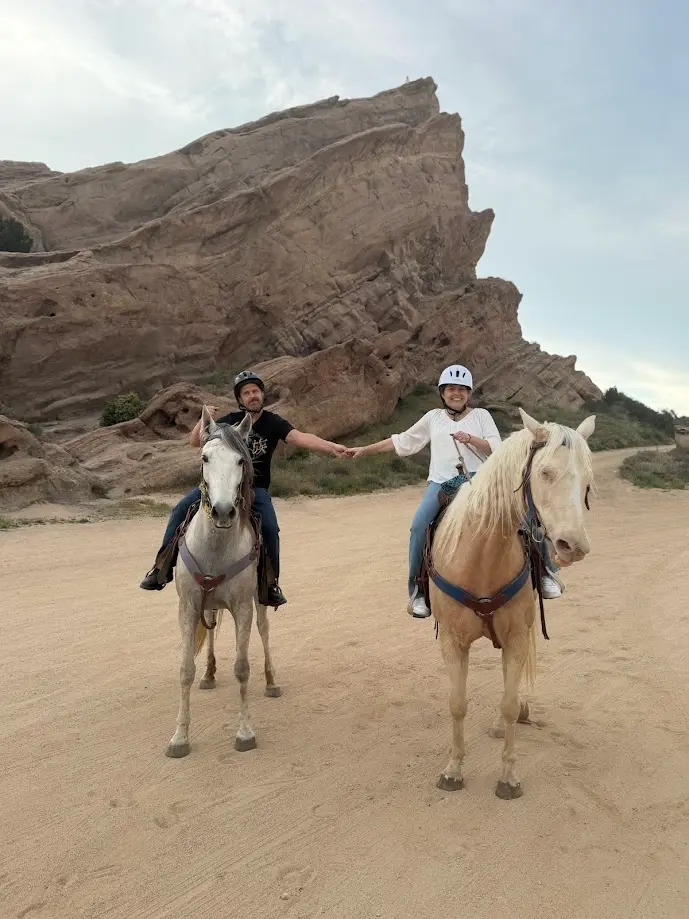
If you are searching for horseback riding trail rides near me, you may be asking two questions at once. The first is local: where can I ride near my city, suburb, or general area? The second is personal: should my first experience be a scenic trail ride or a formal riding lesson? For most beginners, that second question matters more because the right starting point can shape how safe, calm, and enjoyable the day feels.
A guided trail ride and a beginner lesson can both work well for first-timers, but they are built for different outcomes. Trail rides are designed around scenery, pace, and a guide-led experience. Lessons are designed around skill, control, and confidence. If you want one memorable outing, a trail ride may be exactly right. If you want to feel more secure on the horse, understand how to stop and steer, or prepare for future rides, a lesson is often the smarter first step.
That distinction is important because equestrian organizations do not treat riding as a casual amusement activity. The United States Pony Clubs and US Equestrian both emphasize certified helmets, correct fit, and structured safety practices from the start.1 2 In other words, beginners do not need to be afraid, but they do need to choose their first experience with care.
At A Glance: Which Beginner Horseback Option Near Me Should You Choose?
The fastest way to decide is to focus on your goal. If you want a low-pressure outdoor activity, a guided trail ride is usually the better fit. If you want to understand what you are doing, reduce nerves, and build riding skills, a lesson is usually the better fit.
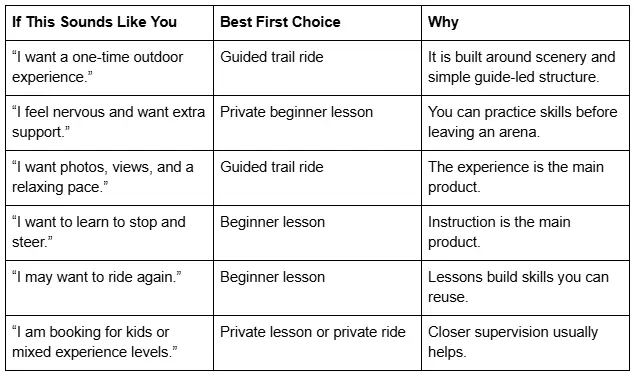
For many people, this simple checklist answers the question faster than any detailed comparison. Still, the differences become even clearer once you look at structure, confidence, and safety side by side.
Trail Ride Vs Riding Lesson?
When weighing a trail ride vs riding lesson, focus on your immediate goal: a relaxed, guide-led outing in nature, or foundational skills that teach balance, control, safety, and confidence. A trail ride is usually organized so the guide controls the route and the horses move in an orderly line. A lesson is organized so the instructor teaches you how to influence the horse with your hands, seat, and legs.
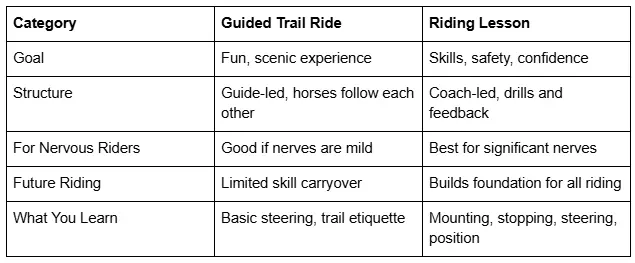
A trail ride can feel easier because the decisions are simpler. You listen to the guide, follow the horse in front of you, and enjoy the setting. That makes it appealing for a birthday activity, a family outing, or a vacation plan. A lesson can feel more demanding because you are learning details, but that extra structure is exactly what many beginners need. If your nerves come from not knowing what to do, a lesson often feels more comfortable once you are mounted.
Horseback Riding Lessons Vs Trail Rides?
In comparing horseback riding lessons vs trail rides, lessons prioritize safety, stopping power, and correct position, while trail rides offer a memorable outdoor experience with minimal prior knowledge required. That difference explains why lessons are often better for people who are timid, while trail rides are often better for people who are mainly looking for a calm outing.
The emotional experience is different too. In a lesson, your attention stays on what you are learning. You practice holding the reins, keeping your posture balanced, and asking for a stop in a controlled way. In a trail ride, your attention stays on the ride itself. You notice the path, the landscape, and the group flow more than the technical details.
First Horseback Riding Lesson Or Trail Ride?
If you’re deciding between a first horseback riding lesson or trail ride, choose based on intent: a one-time bucket-list experience points to a trail ride; an interest in returning to the saddle points to a lesson. This is usually the cleanest way to avoid overthinking the choice.
Pick a trail ride first if you want a scenic outing with friends or family, mild adventure, and a simple introduction to horses without much technical instruction. Pick a lesson first if you have a safety-first mindset, want to understand the basics before going out on a trail, or think riding could become a hobby.
What matters most is not which option sounds more impressive. It is which option matches your actual comfort level. A person with mild nerves may feel great on a calm trail horse with a good guide. A person with stronger nerves may enjoy the same horse far more after just one private lesson.
Beginner Trail Ride Or Lesson?
Choosing a beginner trail ride or lesson comes down to comfort level: lessons reduce uncertainty through step-by-step coaching, while trail rides prioritize a guided, mellow pace on steady horses. If you settle down when someone explains each step and lets you practice, lessons usually work better. If you relax when very little is expected from you beyond listening and following directions, a trail ride may be the easier first experience.
Lessons also tend to provide better skill transfer. You learn how to mount, how to hold the reins, how to ask for a turn, and how to stop with more control. Trail rides usually cover some of those basics in a brief orientation, but the point is not mastery. The point is to enjoy a guided ride safely and comfortably.
This is why private lessons are often the best value for nervous beginners. They do not simply teach technique. They replace uncertainty with information. That can make the later trail ride feel calmer, even if the trail itself is easy.
Should Beginners Take Horseback Riding Lessons First?
The short answer to should beginners take horseback riding lessons first is yes if you want to feel secure, understand horse behavior, and enjoy future rides more safely. Not every rider must take lessons before every trail ride, but many beginners benefit from one to three private lessons before booking a longer or more scenic outing.
For a confident adult who wants a short, beginner-specific trail ride, a lesson may not be necessary. For a nervous adult, a child, or anyone who hopes to keep riding, lessons usually make the first trail ride safer and more enjoyable.
How To Find Horseback Riding Trail Rides Near Me?
When searching for horseback riding trail rides near me, use local intent terms that reflect the actual experience you want. Try phrases such as “guided horseback riding near me,” “beginner trail ride near me,” “private horseback riding lesson near me,” or “horseback riding near [City].” Those searches do a better job of surfacing beginner-friendly options than a generic search alone.
Once you have a list, do not compare businesses only on photos. Compare them on trust signals. Look for helmet policies, guide-to-rider ratio, age and weight limits, weather rules, and beginner language in the reviews. One public pricing page reviewed for this article states that riders must be at least 52 inches tall and under 250 pounds, and it also recommends long pants and closed shoes.4 Clear policies like that are useful because they show the operator is thinking about fit, safety, and expectations before arrival.
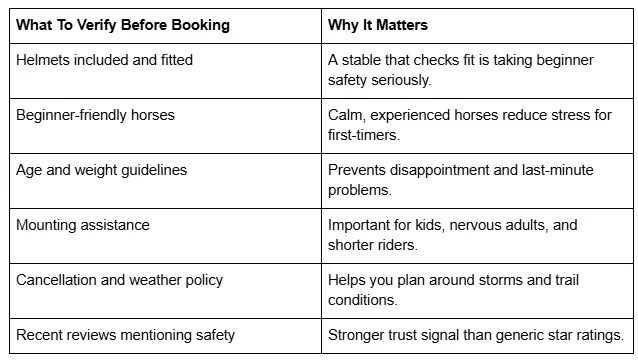
It is also smart to call before you book. Ask whether private rides are available, whether staff can match a timid rider to a very calm horse, and whether the guide is comfortable working with nervous beginners. Those answers tell you more than marketing copy ever will.
What To Expect On Your First Guided Trail Ride Or Beginner Lesson?
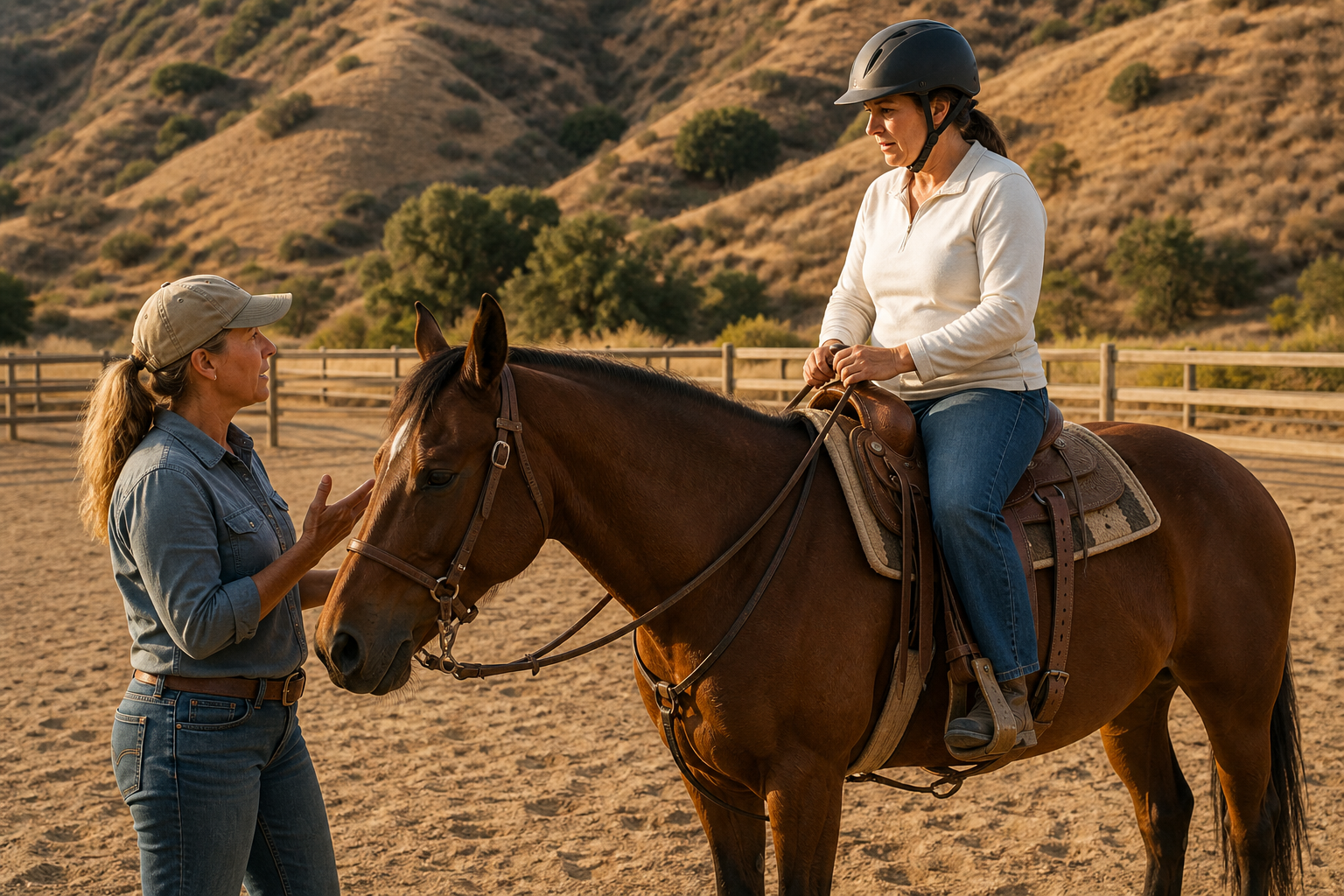
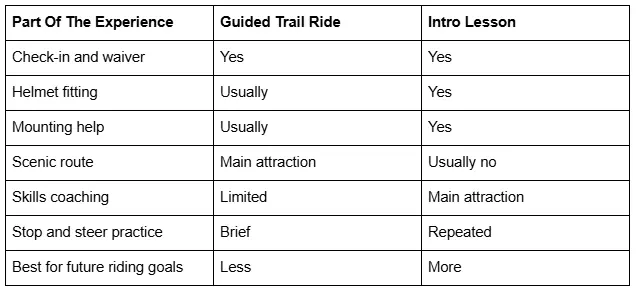
Your first ride will probably feel more organized than you expect, which is a good sign. Most facilities begin with check-in, a waiver, helmet fitting, and a short safety talk. Staff may ask about your age, size, and riding history so they can choose the right horse and equipment.
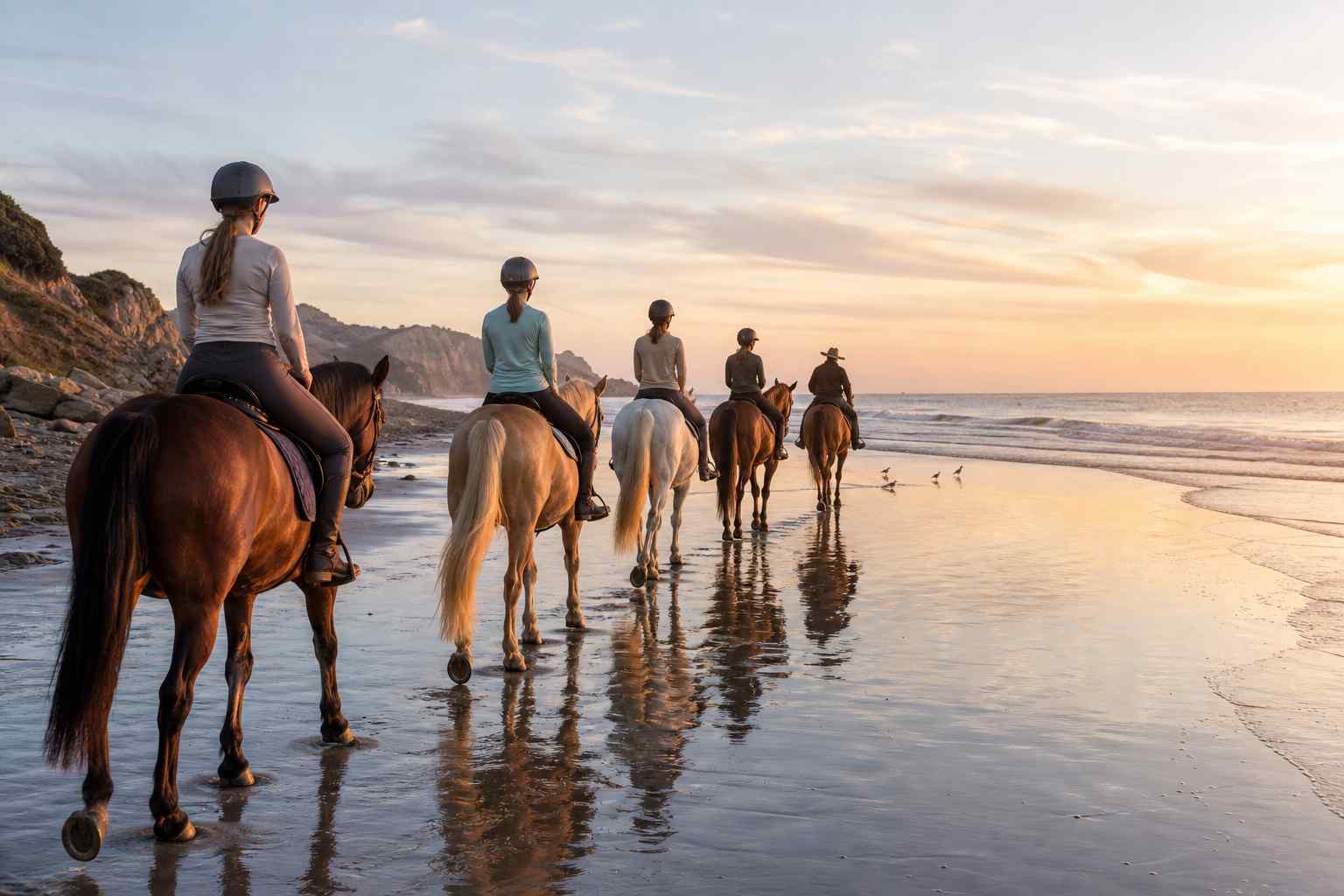
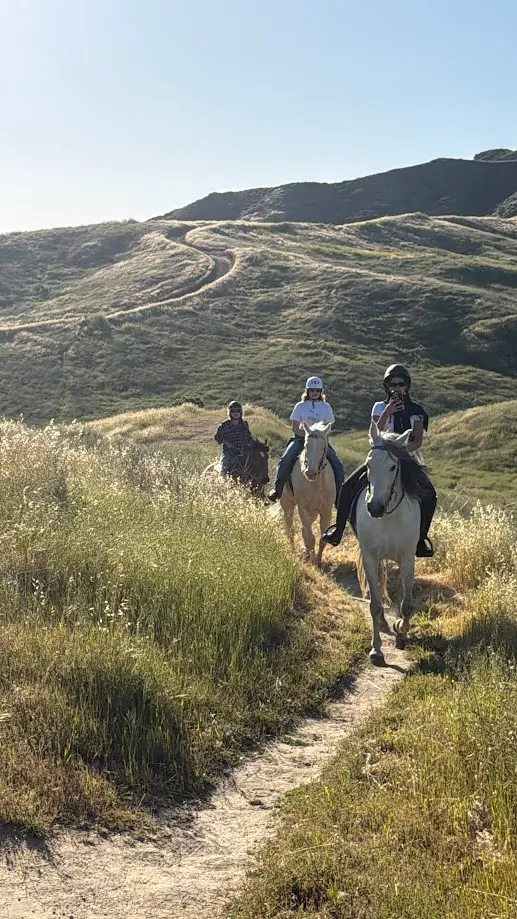
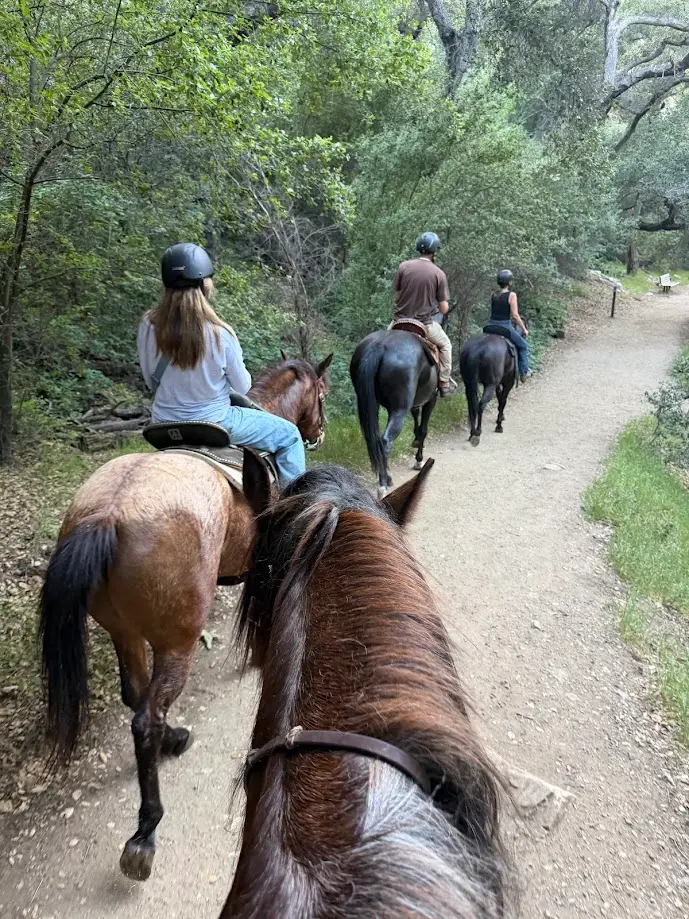
On a guided trail ride, the next steps are usually brief and practical. You mount with help, review basic rein use and spacing, and follow the guide at a walk. Some rides include scenic pauses for photos. Many beginner rides stay at the walk the entire time, which is often ideal for first-timers.
An introductory lesson covers some of the same setup but spends more time on the basics. You may practice mounting and dismounting, walking on, stopping, turning, posture, and hand position. Some programs also include grooming or simple horse-handling skills. That slower pace is one reason lessons often work better for riders who want confidence as much as fun.
What Safety Essentials Should New Riders Know?
The most important rule is to treat horseback riding like a real sport. Wear long pants, closed-toe boots with a small heel, and weather-appropriate layers. If the stable provides a helmet, make sure it is a certified riding helmet and that staff help you fit it correctly.1 2 Public trail ride listings also commonly recommend arriving early, using sunscreen, and wearing shoes that stay secure in the stirrup.4
Beginners should also understand that good safety starts before the ride begins. Ask about age and weight limits, group size, and whether the facility offers private rides or private lessons for nervous riders. Make sure the stable has clear policies rather than vague answers. If the staff sound patient and specific, that is usually a strong sign.
Finally, be honest about your nerves. A good guide or instructor would much rather hear, “I’m excited, but I’m anxious,” than find out halfway through the experience. The right horse, the right format, and the right pace can make a huge difference.
Is a Guided Horseback Riding Trail for me?
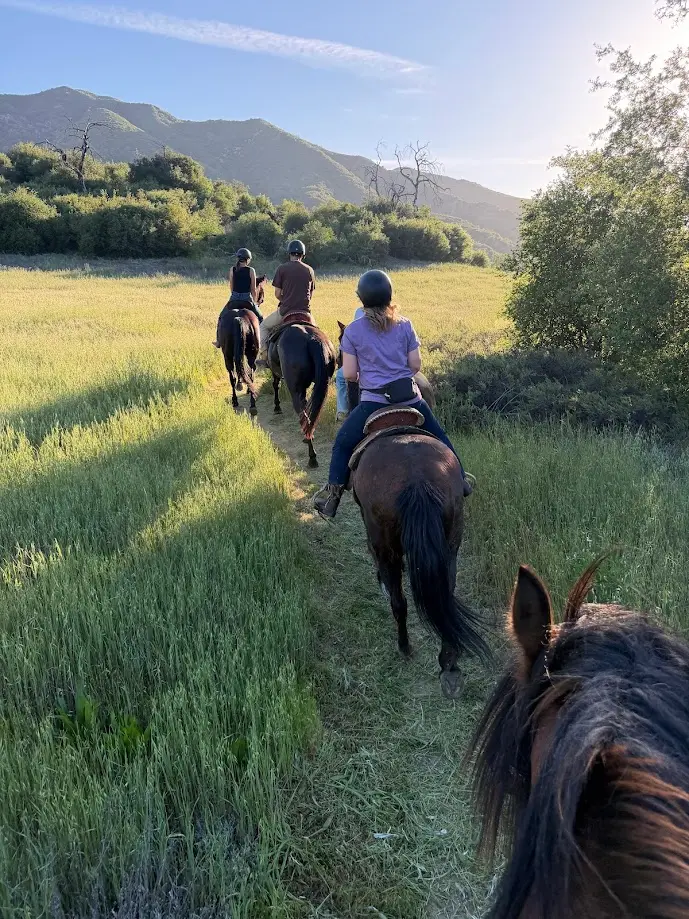
If this is a one-time scenic outing and your nerves are mild, reserve a guided trail ride near you. If you want more control, stronger confidence, or a better foundation for future riding, book a private beginner riding lesson first. If you are bringing kids or a mixed-experience group, ask whether a short private lesson or private ride is available for closer supervision.
That is the simplest recommendation because it matches how beginners actually experience value. Some people want a beautiful ride. Others want to feel prepared. The best first booking is the one that gives you both enjoyment and peace of mind.
Frequently Asked Questions: What To Know Before Booking Horseback Riding Trail Rides Near Me?
Is Trail Riding Good For First-Timers?
Yes, if the ride is designed for beginners, the horses are calm, and the pace is easy. It is often best for riders who want a relaxed outdoor experience more than detailed instruction.
Do I Need A Lesson Before A Trail Ride?
Not always. A lesson is most useful if you are nervous, want to learn more control, or plan to ride again.
How Long Are Beginner Trail Rides Near Me?
Many beginner trail rides are offered in one-hour and two-hour formats. Public examples reviewed for this article included both lengths.4
What Should I Wear For Horseback Riding?
Wear long pants, closed-toe boots with a small heel, and a properly fitted riding helmet. Ask the stable what they provide and what they require.1 4
Are Helmets Required For Adults?
That depends on the stable, but adults should expect to wear one. Leading equestrian safety organizations emphasize certified, securely fastened helmets for all riders.1 2
What Are Typical Age And Weight Limits For Trail Rides?
They vary by stable and horse size. Always confirm before booking; one reviewed public listing required riders to be at least 52 inches tall and under 250 pounds.4
How Much Does A Trail Ride Cost Near Me?
Public examples reviewed here listed a one-hour trail ride at $60 and a two-hour trail ride at $120, with private rides priced higher.4
Are Private Trail Rides Worth It For Nervous Riders?
Often, yes. A private format lets the guide adjust the pace and attention level to the rider.
Should Kids Take A Lesson Before A Trail Ride?
Often yes, especially if they are timid or very new to horses. Even one short lesson can make a child feel more prepared.
What Happens If It Rains On The Day Of My Ride?
That depends on the stable’s weather policy. Ask before you book so you know whether the ride will be canceled, delayed, or rescheduled.
How Do I Stop A Horse If It Speeds Up?
Your guide or instructor should explain the stable’s stopping cues before the ride begins. In a lesson, you can practice those cues repeatedly, which is one reason lessons are so helpful.
Can I Bring My Phone For Photos?
Usually yes, but only if the facility allows it and only when it is safe to use. Some guides stop at scenic points for photos.
How Far In Advance Should I Book During Peak Season?
Book early for weekends, holidays, and peak travel periods. Beginner-friendly time slots often fill first.