The Reservation Checklist for Horseback Riding Trail Rides Near Me
Before you book horseback riding trail rides near me, use this reservation checklist to confirm age limits, timing, gear, safety, and experience fit.

Choosing the perfect horseback riding experience can be the difference between an unforgettable outdoor adventure and an uncomfortable, stressful day. Whether you are searching for scenic mountain views or a relaxing ocean breeze, finding the right horseback riding trail rides near me requires more than just picking a date on a calendar. At Second Chance Ranch, we believe that transparency, safety, and proper planning are the cornerstones of a truly exceptional ride. This comprehensive guide serves as a practical, vendor-neutral reservation checklist designed for families, first-time riders, and casual adventurers looking to explore the beautiful trails of Southern California.
Before booking, it is crucial to understand that trail riding policies are not arbitrary; they are carefully designed to protect both rider safety and horse welfare. Stables across the country operate under different guidelines based on their specific terrain, insurance policies, and the breeds of horses they care for. By asking the right questions upfront, you can ensure your ride is perfectly matched to your group's age, physical comfort, gear, and experience level. Let us dive into the essential pre-booking checklist to help you plan a seamless equestrian adventure.
What Is the Ultimate 2-Minute Pre-Booking Checklist for Guided Trail Rides?
To make your planning as easy as possible, we have compiled a quick, scannable first-pass filter. You can use this checklist when browsing our website or speaking with our reservation team to confirm that our guided trail rides are the perfect fit for your upcoming adventure.
Before making a deposit, taking two minutes to review these core factors will prevent day-of surprises and ensure a safe, comfortable experience for everyone in your party. If you are ready to explore our available dates, you can check our real-time online booking calendar to secure your spot.
What Are the Age, Weight, and Health Requirements for Trail Riding in Southern California?
Understanding eligibility requirements is the first and most critical step in booking a guided trail ride. Stables establish policies regarding age, weight, and health to ensure the safety of the rider and the physical well-being of the horses.
What is the Minimum Age for Trail Rides?
For safety reasons, most commercial stables require riders to be at least 6 to 8 years old for standard trail rides. Younger children often lack the core strength and motor skills needed to balance on a moving horse over uneven terrain. At Second Chance Ranch, we prioritize family safety, which is why we offer tailored guidelines for families. For families planning their very first equestrian outing, we highly recommend reading our family trail rides age guidelines and safety tips to prepare young riders for what to expect.
Why Do Rider Weight Limits Matter?
Rider weight limits are strictly enforced by reputable stables to protect the horses from muscle strain, joint damage, and saddle sores. A general rule of thumb in the equestrian industry is that a horse should not carry more than 20% of its own body weight, including the saddle and gear. Weight limits typically range from 200 to 250 pounds depending on the size and breed of the horses available. When booking, always ask how weight is measured and what policies are in place if a rider exceeds the limit. At Second Chance Ranch, we believe in transparent communication regarding horse welfare, which is why we encourage guests to review our guide on understanding rider weight limits and horse welfare to understand the science and ethics behind these standards.
Health and Accessibility Considerations
Horseback riding is a physically engaging sport that requires active balance and core engagement. If anyone in your group has chronic back issues, is pregnant, or has severe allergies, it is essential to discuss these factors with the trail operator before booking. Reputable stables will be honest about whether their trails are suitable for specific health conditions and whether they can provide mounting blocks or other assistance to make mounting and dismounting comfortable.
Example Prompt to Ask Stables: "What are your specific age and weight requirements for guided trail rides, and do you have alternative options or mounting support for riders who may need extra assistance?"
How Do I Choose the Right Trail Ride Duration and Start Time for My Group?
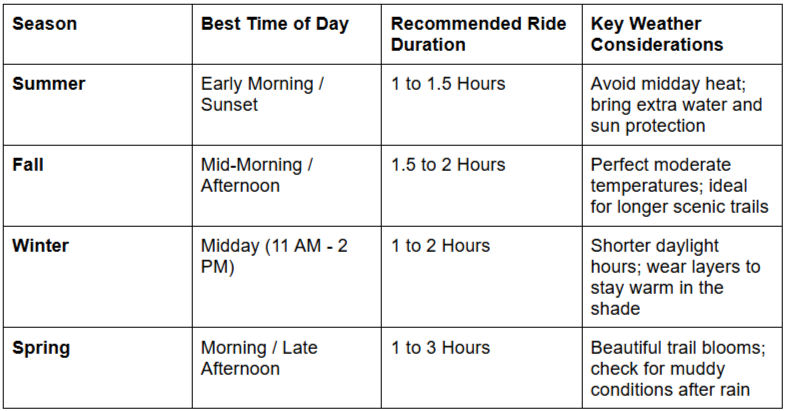
Matching your ride's timing to the season, weather, and your group's stamina is key to a successful day on the trail. A ride that is too long can leave new riders sore and exhausted, while a ride that is too short might leave experienced riders wanting more.
Choosing the Right Ride Length
For first-time riders and families with children, a 60-minute to 90-minute ride is usually the perfect sweet spot. This duration allows you to experience the beauty of the trail without overexerting your muscles. Confident or returning riders often prefer half-day rides to truly immerse themselves in the landscape. At Second Chance Ranch, we offer a variety of options, including our popular local horseback trail rides, which are perfect for those wanting a classic, scenic experience.
Start Times, Seasons, and Weather Conditions
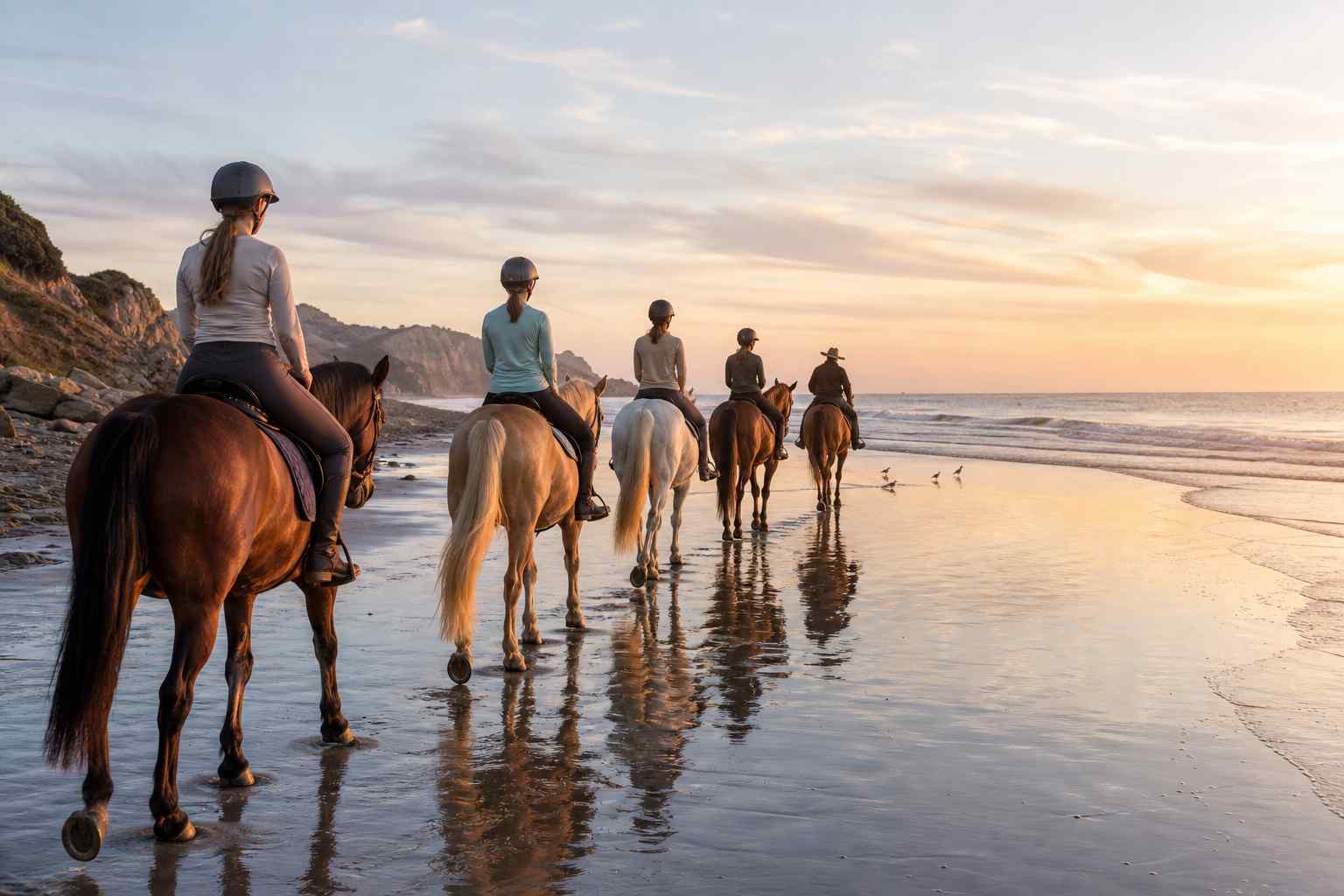
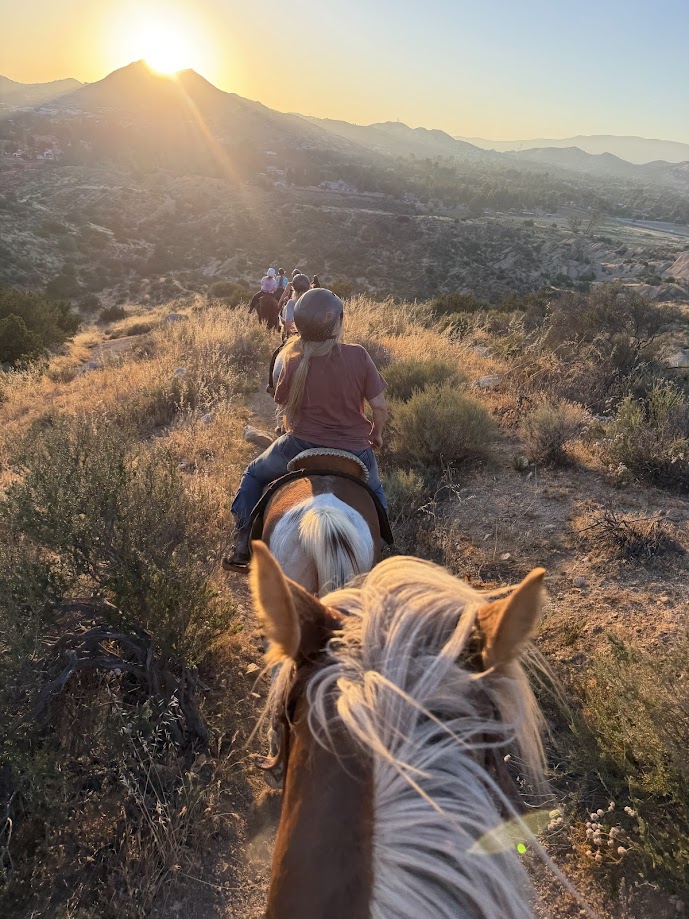
Southern California weather can vary dramatically. During the summer, morning rides are highly recommended to avoid the midday heat, while winter rides are best scheduled during the warmer afternoon hours. For a truly magical experience, many riders opt for our sunset trail ride experience, which offers breathtaking golden-hour views of the landscape.
Always inquire about the stable's weather policy. High winds, extreme heat, heavy rain, or local wildfire smoke can cause trail closures. Make sure you understand whether the operator offers rescheduling or refunds in the event of a weather-related cancellation.
Example Prompt to Ask Stables: "If extreme weather or trail closures cut our scheduled ride short, what is your policy for rescheduling, and how far in advance will we be notified?"
How Are Horses and Trail Paces Matched to Beginners vs Advanced Riders?
A common misconception is that you must be an expert equestrian to go on a guided trail ride. In reality, professional stables specialize in accommodating riders of all backgrounds, but it is essential to confirm how a stable manages groups of varying experience levels.
How Stables Match Riders and Horses
The key to a safe and enjoyable ride is horse matching. Reputable stables maintain a diverse herd of horses, each with its own personality, temperament, and size. Wranglers evaluate your height, weight, riding experience, and confidence level to pair you with the perfect horse. Beginners are matched with calm, experienced "trail masters" that naturally follow the leader, while advanced riders may be paired with more responsive mounts. To learn more about how we care for and select our herd, you can meet our horses on our dedicated page.
Group Composition and Pace
When booking, ask whether your ride will be a mixed-level group or if private rides are available. In mixed-level public groups, the pace of the ride is always dictated by the least experienced rider to ensure safety. This means the entire group will ride at a walk. If you are an experienced rider looking to trot or canter, you should inquire about private trail options where the pace can be tailored to your skill level. At Second Chance Ranch, we accommodate all skill levels by adapting our riding pace—walking for beginners, trotting for intermediates, and cantering for advanced riders on designated trails. If you are looking for an exclusive experience tailored specifically to your family or partner, you can explore our private trail rides.
Example Prompt to Ask Stables: "How do you group riders of different experience levels, and is there an opportunity for advanced riders to trot or canter during the ride?"
What Should I Wear and Bring for a Safe Horseback Riding Trail Ride?
Wearing the right gear is not about looking like a cowboy; it is entirely about safety, comfort, and protection from the elements. Reputable stables enforce strict dress codes to prevent injuries on the trail.
Essential Riding Attire
- Long Pants: Jeans or riding breeches are absolutely essential. Riding in shorts or skirts will lead to painful chafing from the saddle and stirrup leathers, as well as exposure to brush, nettles, and insects along the trail.
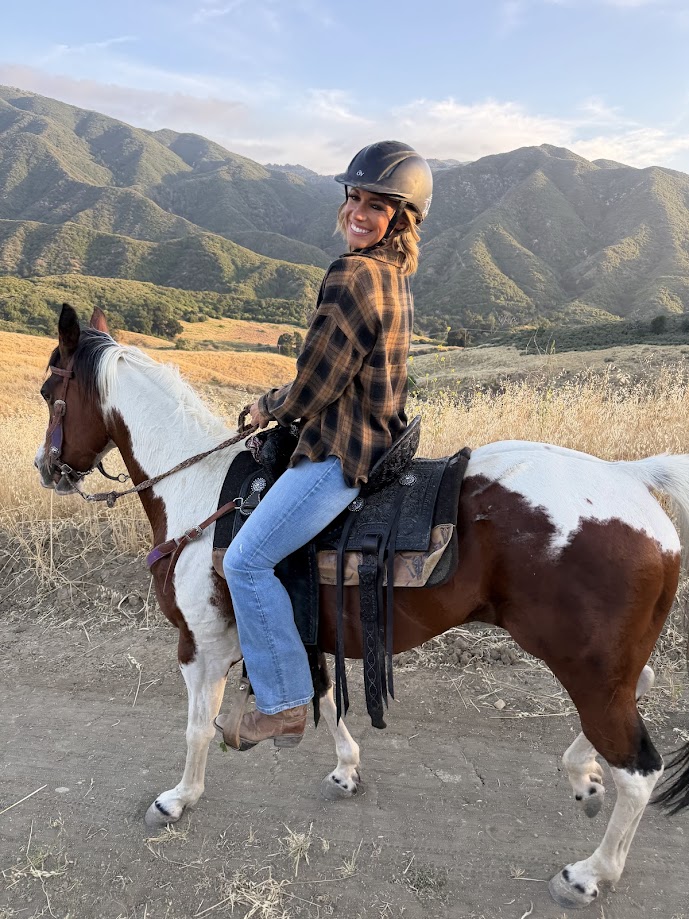
- Closed-Toe Shoes with a Heel: Your footwear must protect your feet and prevent them from slipping through the stirrups. Tennis shoes or hiking boots with flat soles can easily get stuck in a stirrup, which is a major safety hazard. A boot with a distinct 1-inch heel is the industry standard.
- Layers: Trail conditions can change quickly, especially on coastal or mountain rides. Wearing layers allows you to adjust to temperature shifts.
For a detailed breakdown of what to pack and wear across different seasons, we highly recommend reading our guide on what to wear for a trail ride in different seasons.
Helmets and Personal Items
Reputable stables provide ASTM/SEI-certified equestrian helmets for all riders. While some states only mandate helmets for minors, we strongly recommend that riders of all ages wear one. If you prefer to bring your own helmet, ensure it is specifically certified for equestrian use (bicycle helmets are not designed for horse-related impacts).
When preparing for your ride, remember that loose items like scarves, dangling jewelry, and unsecured bags are prohibited because they can flap, make noise, and spook the horses. For a complete list of pre-ride preparation tips, consult our first-time horseback riding checklist.
Example Prompt to Ask Stables: "Do you provide ASTM-certified helmets for adult riders, and are there strict restrictions on carrying phones, cameras, or small bags during the ride?"
What Safety Standards and Guide Ratios Should I Look For in a Professional Trail Ride Operator?
A professional trail ride operator prioritizes safety above all else. When researching stables, look for key indicators of high safety standards and professional trail management.
Guide Qualifications and Ratios
An outstanding trail ride is led by professional, knowledgeable wranglers who are trained in equine safety, trail navigation, and first aid. A safe guide-to-rider ratio is typically 1 guide for every 5 to 6 riders. This ensures that the guides can monitor every rider in the line and quickly assist anyone who needs help.
Pre-Ride Briefing and Trail Management
Before you mount your horse, your guides should conduct a thorough safety briefing. This briefing should cover:
- How to properly hold the reins and guide your horse (steering and stopping).
- How to maintain proper spacing between horses (at least one horse-length apart) to prevent kicking.
- Trail etiquette, including how to handle sudden obstacles or wildlife.
- What to expect based on the current terrain and weather conditions.
Reputable operators actively manage their trails, monitoring for hazards like erosion, fallen branches, or muddy sections. To learn more about how we maintain our trails and ensure guest safety, you can read our resource on trail conditions and safety standards.
Example Prompt to Ask Stables: "What is your typical guide-to-rider ratio, and what safety certifications or training do your trail guides and wranglers possess?"
What Are the Typical Costs, Cancellation Policies, and Fees for Booking Trail Rides?
To avoid any day-of surprises, it is important to understand the full financial commitment of your trail ride, including booking fees, rental costs, and tipping customs.
Understanding the Cost Structure
Trail ride prices vary depending on the location, duration, and type of ride (public vs. private). For example, mountain trail rides may have different pricing structures compared to coastal rides due to trail maintenance and logistics. At Second Chance Ranch, our pricing varies between a lower and upper range, dependent on the location and duration of the ride. We offer spectacular rides in three premium locations: the Mountains of Santa Clarita, the historic Vasquez Rocks, and the beautiful Rincon Beach near Los Angeles. If you are looking for a unique coastal experience, you can check out our beach horseback riding page for details and current rates.
Deposits, Cancellations, and Gratuities
Most stables require a deposit or full payment at the time of booking to secure your horses and wranglers. Always review the cancellation policy carefully. Reputable stables usually offer a full refund or credit if you cancel within a specific window (e.g., 24 to 48 hours), but late cancellations or no-shows are typically non-refundable. You can review our transparent refund and cancellation policy to understand our booking commitments.
Additionally, remember that tipping your trail guides is customary in the equestrian industry, similar to tipping a tour guide. If your wranglers kept you safe, shared local history, and ensured you had a great time, a tip of 15% to 20% of the base ride price is highly appreciated.
Example Prompt to Ask Stables: "Are there any additional fees for helmet rentals, booking services, or trail access that are not included in the base price of the ride?"
What Is the Day-of Flow and Trail Etiquette for a Guided Horseback Ride?
Knowing what to expect on the day of your ride will help you arrive relaxed and ready to enjoy the experience. A typical trail ride follows a structured flow from arrival to dismount.
Arrival and Check-In
Plan to arrive at least 30 minutes before your scheduled departure time. This buffer is crucial for completing liability waivers, fitting helmets, using the restroom, and meeting your guides. Late arrivals can delay the entire group or result in your ride being shortened without a refund.
Mounting and the Warm-Up
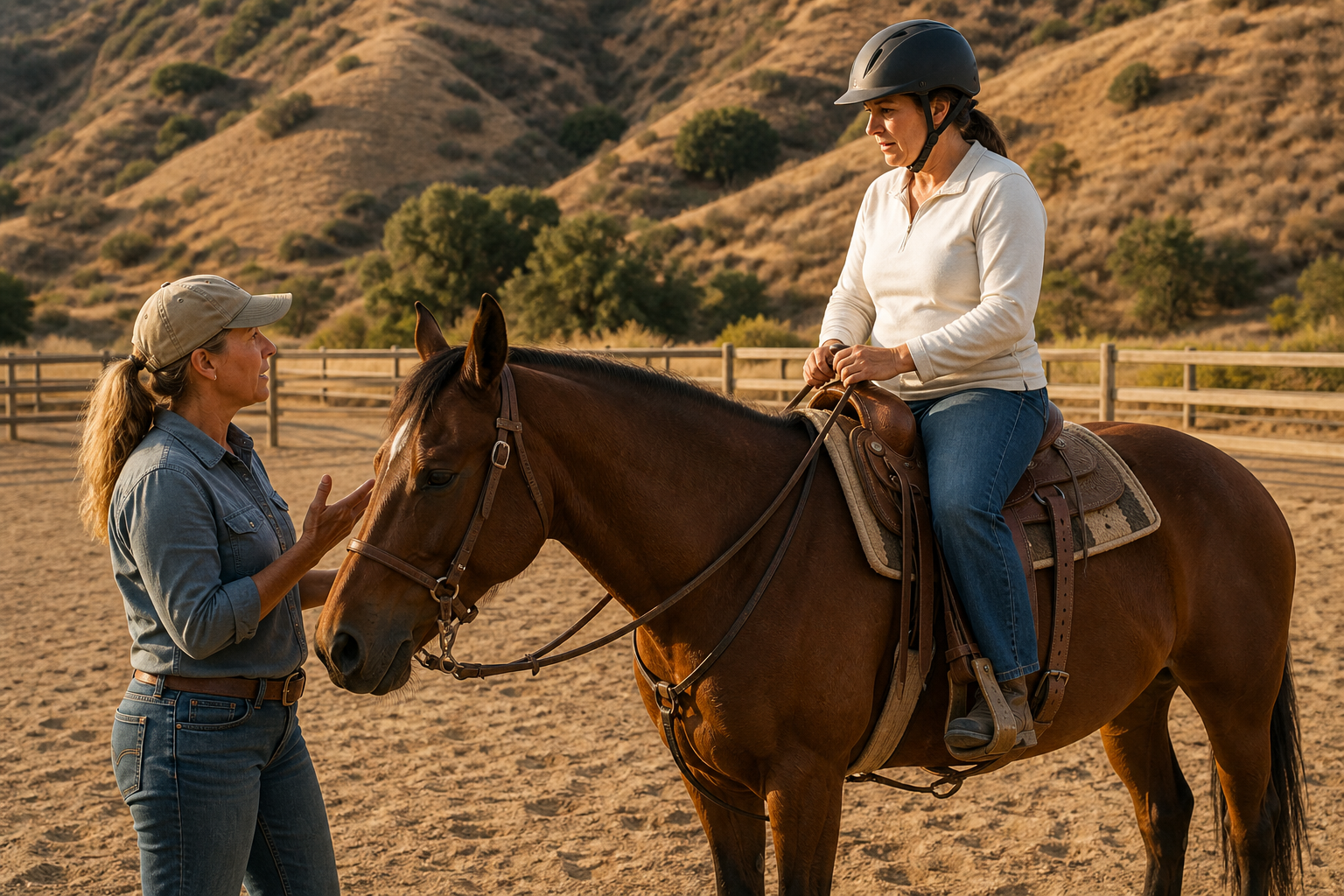
Once check-in is complete, your wranglers will assist you in mounting your horse. They will adjust your stirrups to the correct length and ensure your saddle girth is secure. Before heading out onto the trail, you will have a brief warm-up in an arena or designated mounting area to practice basic steering, stopping, and getting comfortable in the saddle. If you are interested in developing your skills further before hitting the trails, we offer excellent western horseback riding lessons to help build your confidence.
On-Trail Etiquette and Best Practices
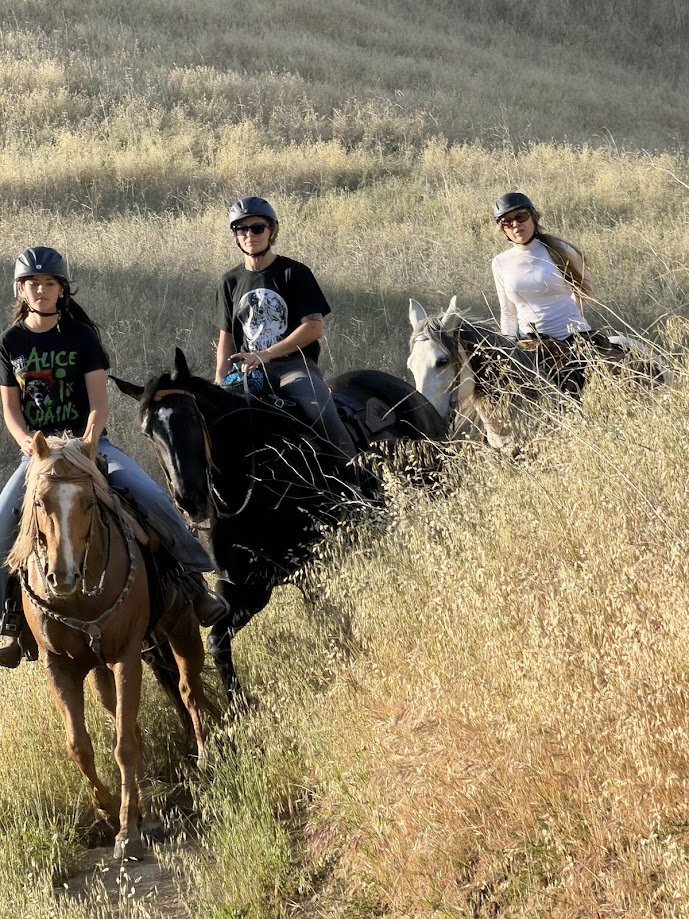
While on the trail, always follow your guide's instructions immediately. Keep your horse in a single-file line and maintain a safe distance from the horse in front of you. Never allow your horse to eat grass or leaves along the trail, as this can cause them to lose focus or pull the reins out of your hands. To ensure you are fully prepared for the trail, we recommend reading our beginner's guide to trail riding etiquette.

By practicing good trail etiquette, you respect the horses, preserve the natural beauty of the trails, and ensure a safe environment for everyone in your group.
How Can I Safely Book My Next Guided Trail Ride in Los Angeles and Santa Clarita?
A guided trail ride is an incredible way to connect with nature, experience the majesty of horses, and create lasting memories with family and friends. By using this pre-booking checklist, you can confidently choose a professional operator that prioritizes safety, horse welfare, and guest satisfaction.
At Second Chance Ranch, we are dedicated to providing unforgettable trail rides across Southern California's most scenic destinations, from the rugged Mountains of Santa Clarita to the historic Vasquez Rocks and the stunning Rincon Beach. We accommodate riders of all skill levels, ensuring that beginners enjoy a relaxing walk while advanced riders can experience a more spirited pace.
If you are ready to plan your next adventure, we invite you to explore our trail riding locations and check our live calendar to secure your booking. Let us help you experience the joy of the trail with confidence and peace of mind!
Frequently Asked Questions About Horseback Riding Trail Rides Near Me
What is the typical minimum age for a guided trail ride?
Most commercial stables require riders to be at least 6 to 8 years old for guided trail rides. This ensures that children have the physical strength, balance, and attention span required to safely guide a horse over uneven terrain. For younger children, some stables may offer lead-line or pony rides in a controlled arena environment.
What are common rider weight limits and why do they vary?
Common rider weight limits typically range between 200 and 250 pounds. These limits are strictly enforced to protect horse welfare and prevent back strain or injury. The limit varies depending on the size, breed, and physical conditioning of the stable's horses, as a horse should not carry more than 20% of its total body weight.
Do I need prior riding experience for a beginner trail ride?
No, prior riding experience is not required for beginner-friendly guided trail rides. Reputable stables specialize in teaching first-time riders the basics of steering and stopping before heading out on the trail. The horses selected for beginners are calm, well-trained, and naturally follow the guide horse.
What should I wear for a summer or winter trail ride?
Regardless of the season, you should always wear long pants (like jeans) to prevent saddle chafing and closed-toe shoes with a distinct heel (like riding boots) to prevent your feet from slipping through the stirrups. In the summer, bring sun protection and lightweight layers. In the winter, wear warm layers and a windproof jacket.
Are helmets required, and can I bring my own?
Yes, ASTM/SEI-certified equestrian helmets are highly recommended for all riders and are legally required for minors in many jurisdictions. Reputable stables provide helmets free of charge. You may bring your own helmet, provided it is specifically certified for equestrian use (bicycle helmets are not acceptable).
How early should I arrive before my scheduled ride?
You should arrive at least 30 minutes prior to your scheduled ride time. This buffer allows sufficient time for check-in, signing liability waivers, fitting helmets, using the restroom, and receiving your pre-ride safety instruction. Late arrivals can result in a shortened ride or cancellation.
What happens if it rains or gets too hot on the day of our ride?
For the safety of both riders and horses, trail rides may be rescheduled or canceled due to extreme weather, such as heavy rain, high winds, extreme heat, or wildfire smoke. Reputable stables will contact you in advance to reschedule your booking or offer a refund in accordance with their weather policy.
How are horses matched to riders?
Wranglers match horses to riders based on the rider's height, weight, confidence, and experience level. Beginners are paired with calm, steady horses that require minimal steering, while intermediate and advanced riders are matched with more responsive horses that suit their riding abilities.
Can two people ride the same horse?
No, double riding (tandem riding) is strictly prohibited on commercial trail rides for safety reasons. Even small children are not allowed to ride in the saddle with an adult, as it compromises the rider's balance, makes steering difficult, and puts excessive strain on the horse's back.
Are private trail rides available for beginners or families?
Yes, private trail rides are an excellent option for beginners, families, or couples seeking a more personalized experience. Private rides allow you to ride at your own pace, receive dedicated attention from your guide, and customize the experience to match your group's specific comfort and skill levels.