What Makes A Sunset Horse Ride Distinct?
A sunset horse ride is a unique outdoor experience where riders explore scenic trails during the "golden hour," the period shortly before sunset when the sun is low on the horizon. This time of day offers a profound shift in the atmosphere, making it a highly sought after activity for celebrations and thoughtful gifting. Unlike midday rides, a sunset horseback ride provides a calm, sensory rich environment that naturally slows down the pace of the day, allowing riders to connect deeply with nature and each other.
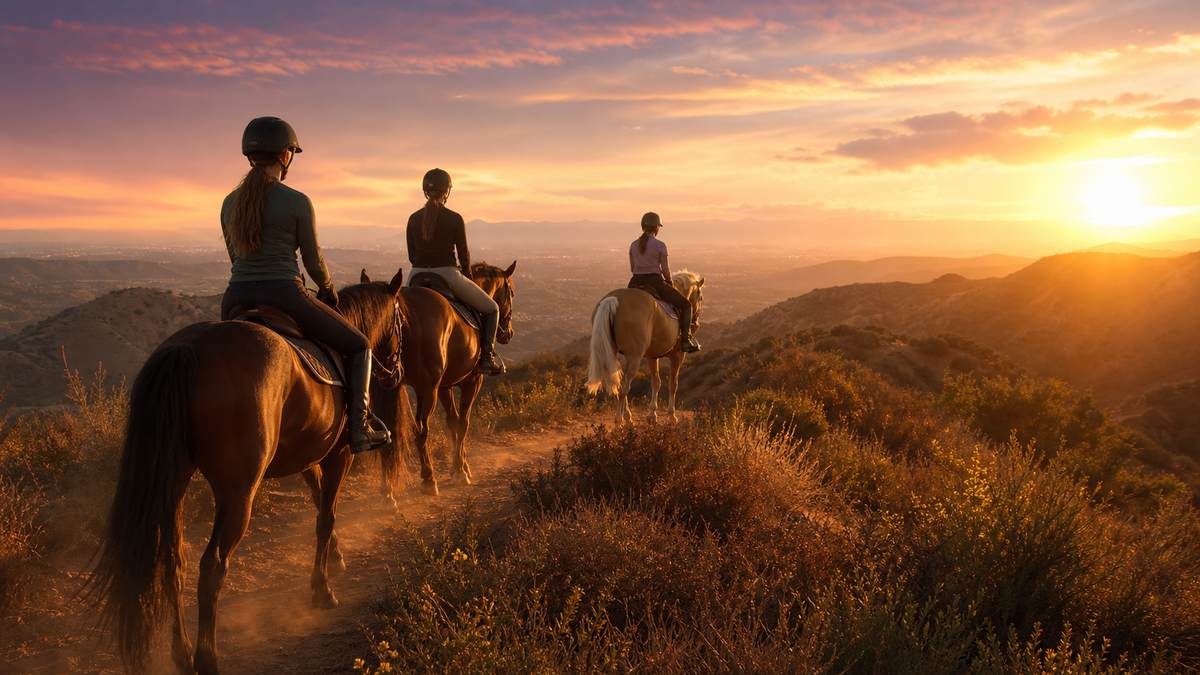
The magic of riding during the golden hour lies in the transformation of light and landscape. As the sun dips lower, its rays travel through more of the Earth's atmosphere, scattering blue light and bathing the surroundings in warm, golden, and reddish hues [1]. This soft, diffused light creates long shadows that add depth and texture to the terrain, turning a familiar trail into a dramatic and romantic setting. The shifting colors not only shape the views but also create the perfect natural lighting for stunning photography. The interplay of light and shadow during this time creates a mesmerizing effect, making every moment feel cinematic and extraordinary. For anyone who has considered horseback riding near Los Angeles, the golden hour is precisely the kind of experience that turns a simple trail ride into a lasting memory.
Beyond the visual appeal, the temperature drops significantly as evening approaches, offering a much more comfortable experience compared to the heat of a midday ride. This cooler air is particularly welcome during summer months or in warmer climates like Southern California. The gentle breeze that often accompanies the setting sun provides a refreshing respite, allowing riders to fully immerse themselves in the experience without the distraction of intense heat. Furthermore, the transition from day to night often brings out different wildlife, and the soundscape changes as daytime birds settle and evening creatures begin to stir. Because of the changing light and potential for wildlife encounters, guides often adjust the pace and route, ensuring a relaxed and observant journey. The rhythmic sound of hooves on the trail, combined with the rustling of leaves and the distant calls of nocturnal animals, creates a symphony of nature that is both soothing and invigorating.
For context, the duration of the golden hour varies depending on the season and your latitude. While it is colloquially called an "hour," it can last anywhere from 30 to 90 minutes. In areas closer to the equator, the transition is swift, while higher latitudes enjoy a prolonged period of magical light [1]. Understanding this timing is crucial for planning, as it dictates the window of opportunity to experience the landscape at its most beautiful.
Average Golden Hour Duration By Latitude
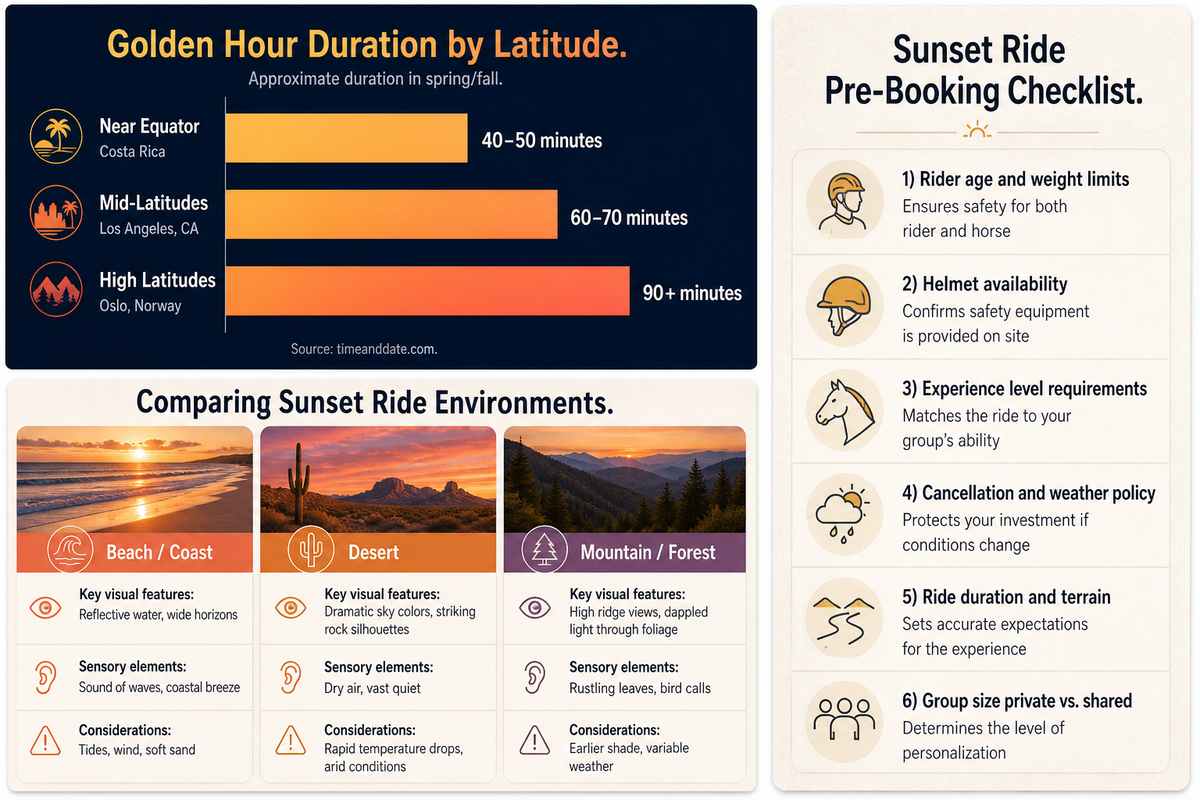
Latitude RegionExample LocationApproximate Duration (Spring/Fall)Near Equator (0 - 20 degrees)Costa Rica40 - 50 minutesMid-Latitudes (30 - 45 degrees)Los Angeles, CA60 - 70 minutesHigh Latitudes (50 - 60 degrees)Oslo, Norway90+ minutes
Is A Sunset Horse Ride Right For Your Occasion?
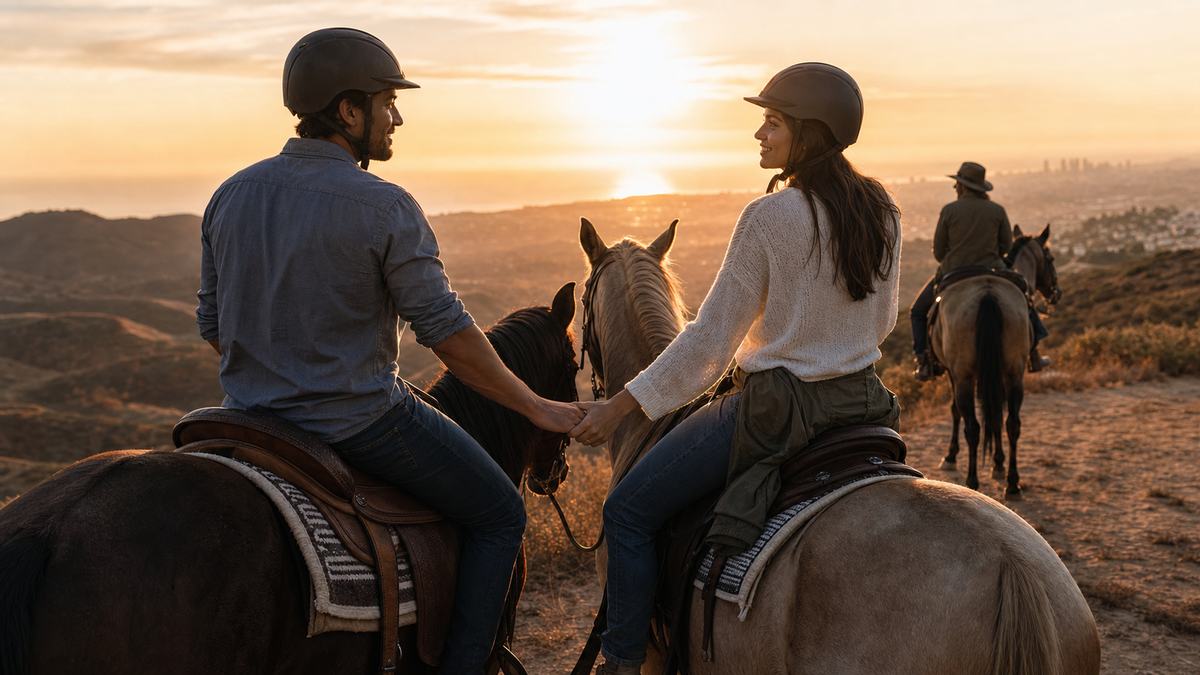
When planning a special event, matching the activity to the milestone is crucial. A sunset horse ride pairs exceptionally well with occasions that call for reflection, romance, or a memorable shared experience. It is an ideal choice for anniversaries, where the romantic ambiance of the golden hour sets the perfect tone. The shared experience of navigating a trail together, bathed in the warm glow of the setting sun, fosters a deep sense of connection and intimacy. Birthdays, especially milestone years, are elevated by the uniqueness of an evening trail ride. It offers a departure from traditional celebrations, providing a sense of adventure and wonder that is sure to be remembered for years to come. It also serves as a spectacular setting for proposals, offering a naturally beautiful and private backdrop. The quiet serenity of the trail, combined with the breathtaking views, creates a moment of pure magic that is impossible to replicate indoors.
This experience is highly adaptable and enjoyable for various groups. Couples find the intimate setting perfect for connection, while small groups of friends can share a peaceful adventure. Families with teenagers often appreciate the engaging yet relaxed nature of the ride, providing an opportunity to unplug from technology and reconnect with each other in a meaningful way. The shared challenge of riding, coupled with the beauty of the surroundings, encourages conversation and camaraderie. If you are looking for a unique way to celebrate with a partner, the couples horseback riding in Los Angeles experience is one of the most consistently memorable options available in Southern California.
One of the great advantages of a sunset ride is its suitability for mixed ability groups. Whether you are a seasoned equestrian or have never been in a saddle, reputable operations like Second Chance Ranch accommodate all skill levels. The riding pace is adapted to the group, ensuring that beginners can enjoy a comfortable walk, while more experienced riders might have opportunities to trot or canter depending on the specific trail and guide assessment. This inclusivity ensures that everyone can participate and enjoy the experience without feeling overwhelmed or left behind. For those who are new to riding, it is worth reviewing a beginner's guide to trail riding adventures near Los Angeles to understand what the experience entails before booking.
When considering group dynamics, you can often choose between private rides for a more exclusive experience or small group rides for a shared adventure. Private rides offer the ultimate in personalization, allowing you to tailor the pace and focus of the ride to your specific preferences. Small group rides, on the other hand, provide a fun and social atmosphere, where you can share the experience with other like-minded individuals. Accessibility is also a key consideration; many ranches offer mounting aids and can discuss the terrain and ride length to ensure everyone's comfort. If you are exploring options in Southern California, you can review the different horseback riding locations available to find the perfect fit for your group. From the rugged beauty of the Mountains of Santa Clarita to the iconic rock formations of Vasquez Rocks and the coastal splendor of Rincon Beach, there is a setting to suit every taste and preference.
Planning Or Gifting A Sunset Horse Ride
Organizing a sunset horseback ride requires a practical approach to ensure the experience is smooth and enjoyable. The first step is choosing the right region and terrain. The environment significantly shapes the sunset experience. For instance, a beach ride offers reflective light on the water and coastal breezes, creating a sense of boundless freedom. A mountain or foothill trail, such as those in the Mountains of Santa Clarita, provides dramatic silhouettes and elevated views, offering a sense of perspective and grandeur. The unique geological features of Vasquez Rocks provide a striking contrast against the colorful evening sky, making it a favorite for those seeking a truly memorable backdrop. Understanding the character of each location helps you choose the environment that best matches the mood you want to create.
Timing is everything for a sunset ride. It is essential to check the local sunset time and the duration of civil twilight for your specific date. Civil twilight, the period when the sun is just below the horizon and the sky is still bright enough to navigate without artificial light, typically lasts about 20 to 30 minutes after sunset. Factor in travel time to the ranch, ensuring you arrive well before the scheduled departure. Arriving early allows you to complete any necessary paperwork, get fitted for equipment, and perhaps even meet the horses before the ride begins. This unhurried start sets a relaxed tone for the entire experience.
Before finalizing your reservation, confirm several key details with the outfitter. Check their policies regarding rider age and weight limits, and communicate the experience level of your group. Inquire about helmet availability, the expected group size, the duration of the ride, and the specific terrain you will cover. It is also wise to understand their cancellation and weather policies, as evening rides can be weather dependent. A reputable outfitter will be transparent about these details and happy to answer any questions you may have. For more detailed guidance on preparing for your booking, you can consult this horseback riding reservation checklist to ensure you have covered all the important bases before your ride.
Budgeting for the experience involves considering factors like the region, the length of the ride, and whether you opt for a private or group excursion. Pricing generally falls within a specific range depending on these variables, and it is customary to tip your guide for their expertise and service. Keep an eye out for special holiday offers, as these can provide unique opportunities to experience a sunset ride at a potentially discounted rate. These specials often change, so it is worth checking the outfitter's website or contacting them directly for the latest information. You can also check the upcoming rides and specials calendar to see what is currently available.
If you are presenting the ride as a gift, thoughtful delivery enhances the surprise. Consider creating a hand written itinerary or printing a customized sunset chart for the chosen date. A simple "open when" letter revealing the plan just before you depart adds an element of anticipation to the experience gift. You could also include a small token related to the ride, such as a horseshoe charm or a framed photo of the destination, to make the gift even more special. Experience gifts like this are particularly meaningful because they create memories rather than adding more possessions to someone's life.
Key Pre-Booking Checklist
What to ConfirmWhy It MattersRider age and weight limitsEnsures safety for both rider and horseHelmet availabilityConfirms safety equipment is provided on siteExperience level requirementsMatches the ride to your group's abilityCancellation and weather policyProtects your investment if conditions changeRide duration and terrainSets accurate expectations for the experienceGroup size (private vs. shared)Determines the level of personalization
Safety, Ethics, And Rider Readiness At Dusk
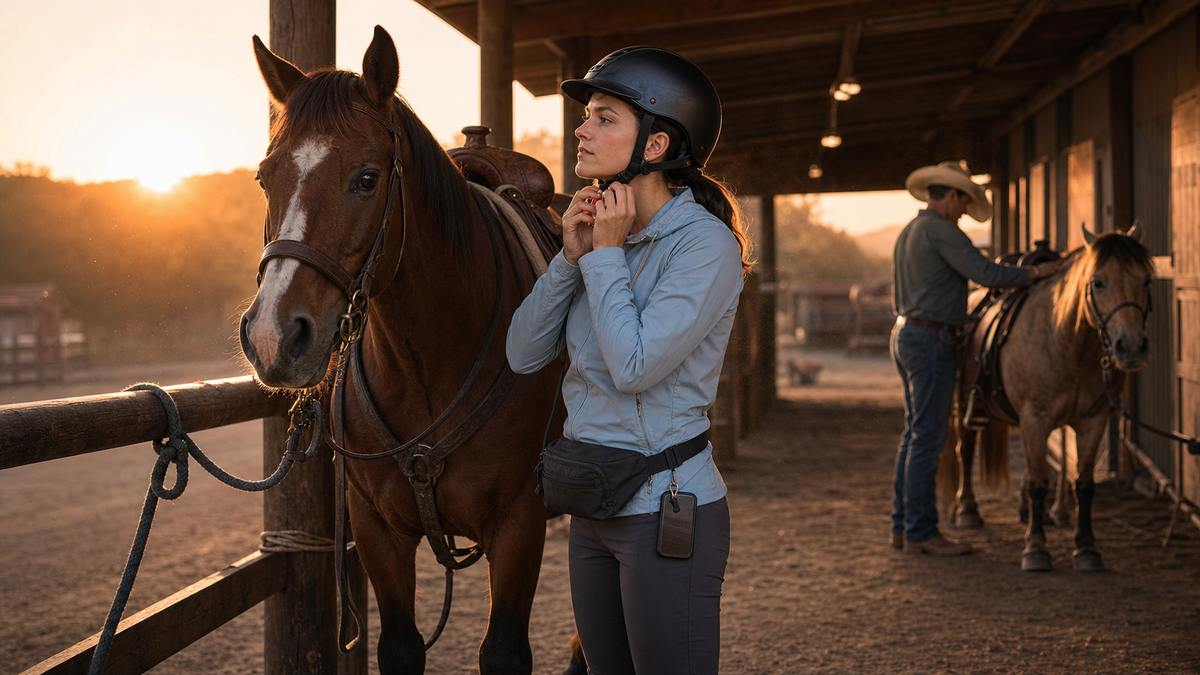
Ensuring a safe and responsible experience is paramount, especially as daylight fades. Proper attire is the first line of defense. Riders should wear closed toe shoes with a small heel to prevent feet from slipping through the stirrups. Long pants are essential to protect against chafing, and dressing in layers allows you to adjust to the cooling evening temperatures. The temperature can drop surprisingly fast once the sun goes down, so having a light jacket or sweater on hand is always a good idea. An ASTM/SEI certified helmet is a critical piece of safety equipment; many reputable ranches provide these, but it is always best to confirm [2]. Avoid wearing loose items or accessories that might flap in the wind and startle the horses. This includes long scarves, untethered bags, and noisy jewelry. For a comprehensive overview of what to wear, the guide on horseback riding trail rides near me covers attire and preparation in detail.
Visibility and timing are carefully managed by experienced guides. Rides are scheduled to start well before sunset, allowing riders to enjoy the golden hour and ensuring the group returns to the stable by early twilight, before darkness fully sets in. This careful timing ensures that the ride concludes while there is still sufficient natural light to navigate safely. Even in cooler evening conditions, hydration and sun protection remain important, and insect repellent may be necessary depending on the location. Applying these before the ride ensures you remain comfortable throughout the journey.
Ethical considerations regarding horse welfare should guide your choice of outfitter. Look for operations that prioritize animal care by ensuring horses have adequate rest, adhering to appropriate group sizes and weight guidelines, and selecting terrain suitable for the horses' fitness levels. A responsible outfitter will prioritize the well-being of their animals above all else. You can learn more about the care and temperament of the horses, such as the gentle giant Stingray or the reliable Spartan, to understand the ranch's approach to their animals. Meeting the horses and observing their condition and demeanor can provide valuable insight into the outfitter's standards.
Weather awareness is also crucial. Guides monitor conditions like wind, approaching storms, fog, or extreme heat. If the weather poses a risk, a prudent outfitter will recommend rescheduling to ensure the safety of both riders and horses. Riding in adverse conditions can be stressful for the animals and potentially dangerous for the riders, so it is always better to err on the side of caution. Reviewing the refund and cancellation policy before booking will help you understand your options if a weather-related reschedule becomes necessary.
What To Expect On The Day
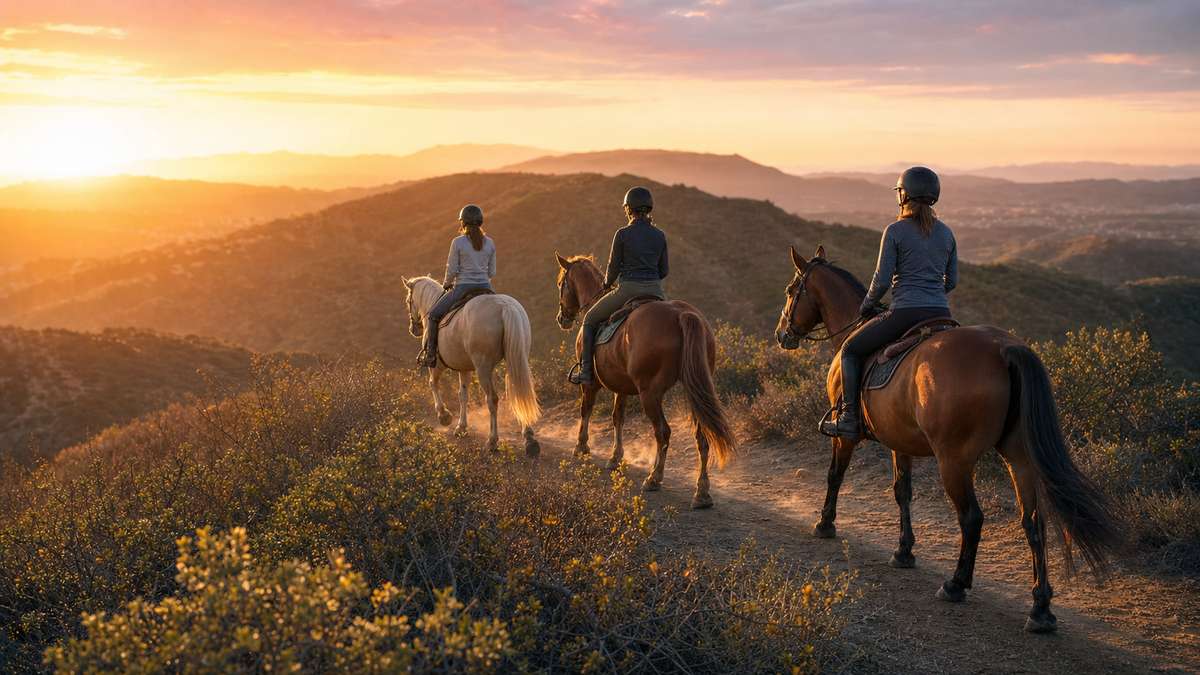
Knowing what to expect on the day of your ride helps reduce anxiety, especially for first timers, and ensures the group stays on schedule to catch the best light. The experience begins with an arrival window, during which you will complete check in procedures, sign necessary waivers, and be fitted for a helmet. This is also a good time to use the restroom and apply any necessary sunscreen or insect repellent. Plan to arrive at least 15 to 20 minutes before your scheduled ride time to allow for a comfortable and unhurried start.
Once prepared, you will meet your horse and receive brief instruction on mounting. The guide will cover the basics of starting, stopping, and steering, as well as essential trail etiquette. They will explain how to hold the reins, how to communicate with your horse using your body weight and legs, and what to do in various situations. This briefing is designed to give you the confidence you need to enjoy the ride safely. For those who feel nervous about riding for the first time, it can be helpful to read about what to expect on a horseback riding trail ride near me to familiarize yourself with the process in advance.
On the trail, safety and respect for the environment are prioritized. Riders typically proceed in single file, maintaining a safe distance between horses. It is important to maintain quiet voices around the horses, avoid sudden movements, and respect any wildlife you may encounter. The goal is to blend in with the natural surroundings and minimize any disturbance to the ecosystem. Your guide will lead the way, pointing out interesting features of the landscape and ensuring the group moves at a comfortable and safe pace.
The arc of the ride is designed to maximize the evening's beauty. You will ride out during the golden hour, often pausing at a scenic vantage point as the sun sets to allow for photos and quiet appreciation. This is the moment to take in the breathtaking views and capture the memory of the experience. The return journey usually takes place during the short twilight period, offering a different perspective on the landscape as the light fades. After dismounting, take time to hydrate, do some basic stretching, and, if conditions allow, enjoy a moment of night sky viewing. For those new to the experience, reviewing trail riding tips for beginners can provide additional confidence and help you prepare for what lies ahead.
Packing Checklist And Photo Tips For Golden Hour
Packing efficiently ensures you have what you need without being encumbered. The key is to bring only what fits securely in a small zip pocket or can be fastened to your body. A concise, carryable list includes a water bottle, identification, sunscreen and lip balm, a light packable layer such as a jacket or sweater, a small snack for longer rides, insect repellent if applicable to the area, and a microfiber cloth for cleaning camera or phone lenses. Everything you bring should be secured so that nothing can dangle, swing, or make unexpected noises that might startle the horses.
Secure storage is vital. Use small zip pockets or lanyards for phones, and never dangle straps or bags that could spook the horses. A small fanny pack or a securely fastened cross-body bag worn tightly against the body can be a practical solution for carrying essential items. Avoid backpacks with loose straps or items that shift with movement, as these can be distracting for both you and your horse.
Capturing the magic of the golden hour requires a few simple photography techniques that won't distract from safety. Use the trail to create leading lines in your composition, drawing the viewer's eye into the scene. The low sun is perfect for backlit silhouettes of riders against the sky, creating dramatic and evocative images. Lock your exposure on the brightest part of the sky to prevent the image from washing out, and use burst mode to capture clear shots while moving. Crucially, never use a flash around horses, as the sudden burst of light can easily frighten them. If you are unsure about taking photos while riding, it is perfectly acceptable to ask your guide to take a few shots for you during a designated pause. The best photos often come from these quiet, still moments when everyone has stopped to watch the sun dip below the horizon.
Destinations And Seasonality: Matching Scenery To The Moment
The environment and the season dramatically shape the look and feel of a sunset horse ride. Understanding these variations helps set realistic expectations for your adventure and allows you to choose the setting that best aligns with your vision for the occasion.
Beach and coastal rides, such as those near Rincon Beach, offer a dynamic environment influenced by tides and coastal winds. The setting sun reflecting off the water creates a stunning, expansive view, while the sound of crashing waves provides a soothing soundtrack. The soft sand and open horizon make for a truly liberating experience. Coastal rides tend to be windier and cooler, so layering is particularly important. The reflective quality of the water also means that the golden hour light is amplified, creating a particularly photogenic environment.
Desert rides, like those in the Vasquez Rocks area, provide dramatic sky colors that contrast sharply with the arid landscape. The unique rock formations cast long, intriguing shadows, adding a sense of mystery and wonder to the ride. The temperature drop in the desert can be rapid once the sun goes down, making layers absolutely essential. However, the clear night skies that often follow a desert sunset provide excellent stargazing opportunities, making the post-ride experience just as memorable as the ride itself.
Mountain and forest rides, including trails in the Mountains of Santa Clarita, often experience earlier shade as the sun dips behind peaks. The dense foliage filters the light, creating a dappled effect that is both beautiful and serene. The temperature can drop quickly in these environments, and weather shifts may be more sudden, so it is important to be prepared for changing conditions. The elevated terrain often provides sweeping views of the surrounding landscape, making these rides particularly rewarding for those who appreciate panoramic scenery.
Seasonality also plays a significant role in shaping the experience. Daylight saving time changes dictate when the rides occur, and the length of the golden hour varies by month. Different seasons offer unique visual elements. Spring brings vibrant wildflowers and lush greenery, while autumn offers spectacular foliage and crisp, clear air. Summer rides often feature warm, balmy evenings, while winter rides may require more robust layering but offer a stark, quiet beauty that is uniquely compelling.
Comparing Sunset Ride Environments
EnvironmentKey Visual FeaturesUnique Sensory ElementsKey ConsiderationsBeach / CoastReflective water, expansive horizonsSound of waves, coastal breezeTides, wind, soft sandDesertDramatic sky colors, striking rock silhouettesDry air, vast silenceRapid temperature drops, arid conditionsMountain / ForestElevated views, dappled light through foliageRustling leaves, bird callsEarlier shade, variable weather
Meaningful Touches That Make The Ride Feel Personal
Adding personal touches to a sunset ride elevates it from a simple activity to a cherished memory. These low key ideas add significance without overwhelming the logistics of the evening, ensuring the focus remains on the experience itself and the people you are sharing it with.
If permitted by the ranch, a simple picnic or a sparkling water toast after the ride is a wonderful way to celebrate. You might bring a short letter or a memory prompt to read together as the sun goes down, adding a layer of emotional depth to the occasion. A small, thoughtful gesture can transform a beautiful ride into a profoundly moving experience. The key is to keep it simple and focused on connection, rather than trying to orchestrate an elaborate event that might feel stressful to manage.
While on the ride, embrace a music free approach to fully immerse yourself in the natural soundscape and respect the horses' environment. The quiet rhythm of the trail is often more powerful than any playlist. If you want professional photos, consider hiring a dedicated photographer, provided they are allowed by the outfitter and fully briefed on equine safety. This allows you to focus entirely on the ride while ensuring you have high-quality images to remember the day. A skilled photographer who understands the environment can capture moments that you might miss while managing your horse.
After the ride, the experience doesn't have to end immediately. If you are in a dark sky area, spend some time stargazing. The lack of light pollution often reveals a breathtaking view of the cosmos that is rarely visible from urban areas. Alternatively, plan a quiet dinner nearby to reflect on the evening, or simply take a few moments for journaling to capture your thoughts and feelings while they are still fresh. For couples looking for a special evening, a sunset ride is a highly recommended couples horseback riding experience that offers a perfect blend of adventure and romance. For those interested in becoming more regular riders, exploring a horseback riding membership can be a wonderful way to continue the journey long after the first sunset ride.
Conclusion
A sunset horse ride offers a calm, sensory rich way to mark life's significant moments and serves as a deeply thoughtful experience gift. By matching the occasion to the right environment and season, and prioritizing safety first planning, you create the foundation for a lasting memory. Whether you are exploring the foothills of the Mountains of Santa Clarita, marveling at the unique formations of Vasquez Rocks, or enjoying a coastal breeze near Rincon Beach, the focus should remain on unhurried time together, allowing the natural beauty of the evening sky to be the main event.
The most meaningful aspect of a sunset horse ride is not the destination or the perfect photograph, but the quality of attention you bring to the experience. When you are present on the trail, attuned to the rhythm of your horse and the changing light around you, the ordinary world falls away. What remains is a rare and genuine sense of peace. Start by selecting a date and noting the sunset time, then choose a setting that perfectly fits your story. From there, you can book your trail ride and begin looking forward to an evening that will be remembered long after the last light fades from the sky.
Frequently Asked Questions
How Long Does A Typical Sunset Horse Ride Last?
Most sunset trail rides last between 60 to 90 minutes. This duration allows enough time to ride out during the golden hour, pause for the sunset, and return safely during the early twilight. The exact length can vary depending on the specific trail and the outfitter's policies, so it is always worth confirming when you book.
What Should I Wear On A Sunset Horse Ride?
Wear long pants to prevent chafing and closed toe shoes with a small heel for safety in the stirrups. Because temperatures drop at sunset, bringing a light, packable layer like a jacket or sweater is highly recommended. Avoid loose clothing or accessories that could flap in the wind and potentially startle the horses.
Is A Sunset Horse Ride Suitable For Beginners Or Children?
Yes, many ranches, including Second Chance Ranch, cater to all skill levels. The pace is adapted to the riders, often keeping to a comfortable walk for beginners. However, always check the specific age and weight requirements of the outfitter before booking, as these can vary between locations and ride types.
Are Helmets Required, And Are They Provided?
Safety standards strongly recommend the use of ASTM/SEI certified helmets [2]. Reputable outfitters typically require them for minors and strongly encourage them for adults, and they usually provide them on site. It is always best to confirm availability when making your reservation.
What Happens If The Weather Changes Near Sunset?
Guides closely monitor the weather. If conditions become unsafe due to high winds, storms, or poor visibility, the ride will be paused or rescheduled. Safety for both the riders and the horses is always the priority, and reputable outfitters will not take unnecessary risks with changing conditions.
Can I Bring A Camera Or Phone On The Ride?
Yes, but it must be secured in a zip pocket or on a lanyard. Never let straps dangle, and ensure your device is silenced. Most importantly, never use a flash, as it can spook the horses. If you are unsure about managing your phone while riding, ask your guide to take a few photos during a designated pause.
Are There Age Or Weight Guidelines For Riders?
Yes, for the health and safety of the horses, all ranches have strict weight limits, and most have minimum age requirements for trail rides. These details should be confirmed when making your reservation to ensure everyone in your party can participate safely and comfortably.
Is It Safe To Ride During Twilight Or After Dark?
Guided sunset rides are timed to ensure you return to the stable during early twilight while there is still sufficient visibility. Riding in complete darkness requires specialized knowledge and familiar trails, so commercial sunset rides conclude before nightfall to ensure the safety of all participants.
References
[1] Time and Date. (n.d.). The Golden Hour: When Sunlight Turns Magical. Retrieved from https://www.timeanddate.com/astronomy/golden-hour.html
[2] Pony Club. (2024). Understanding Equestrian Helmet Safety Standards. Retrieved from https://blog.ponyclub.org/2024/09/13/equestrian-helmet-safety-standards/